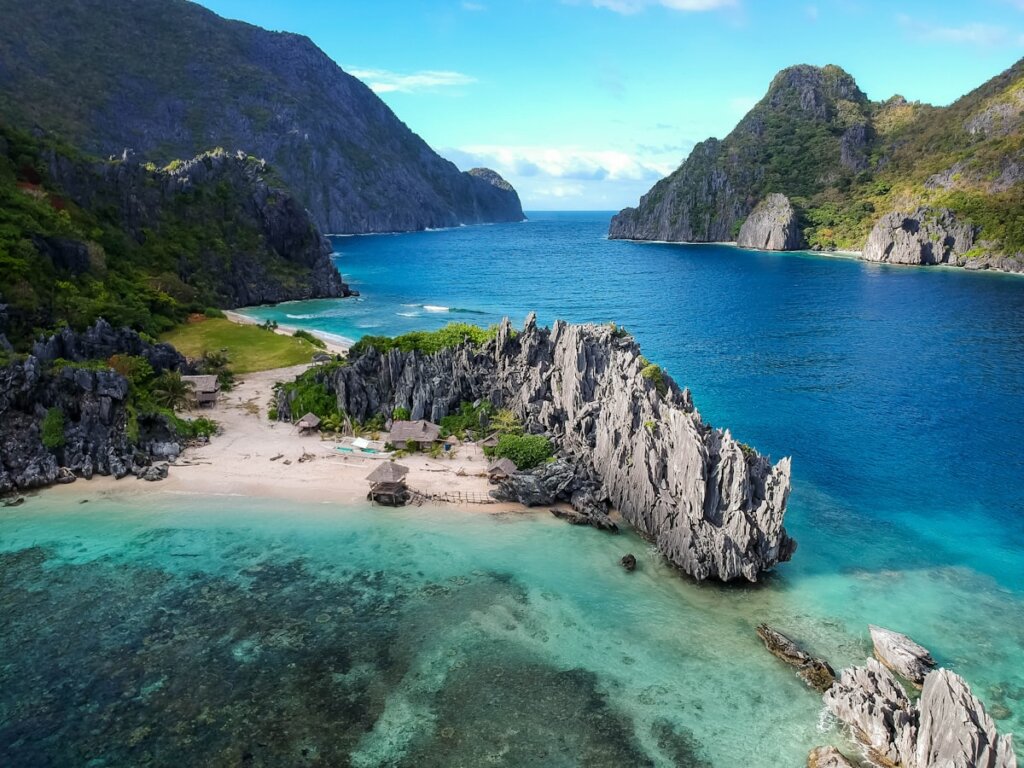

El Nido is one of the safest tourist destinations in the Philippines. Violent crime targeting tourists is extremely rare, the community is genuinely welcoming, and the primary risks are environmental rather than human. This guide covers what to know and how to stay safe.

Table of Contents
Overall Safety Assessment
El Nido Town and the surrounding tourist areas are safe for solo travellers, couples, and families. The main risks are:
- Ocean and water safety (the most significant risk)
- Motorbike accidents (rough roads, unfamiliar bikes)
- Petty theft (minimal, but standard precautions apply)
- Sun and heat exposure (dehydration, sunburn)
- Jellyfish and marine hazards (seasonal, manageable)
Water Safety
Island Hopping Tours
Life jackets are provided and required on all commercial island-hopping boats. Non-swimmers can participate safely. The main risks are:
- Sea conditions: Rough weather can make crossings uncomfortable or dangerous. Reputable operators cancel or modify tours in unsafe conditions — do not pressure operators to continue in bad weather.
- Rip currents: Some beach stops have currents. Follow guide instructions about where it is safe to swim.
- Lagoon depth: Some lagoon entrances are deep. Life jackets available on request at all stops.
Swimming Independently
Las Cabanas Beach, Corong-Corong, and Nacpan are all generally safe for swimming. Check with locals about current conditions — some areas have rip currents after rainy weather. Never swim alone in remote locations.
Rainy Season Warnings
June–October brings typhoon risk. Check weather before any boat trip. The El Nido wet season guide covers what conditions to expect and how to stay safe.
Road Safety
Motorbike accidents are the leading cause of tourist injury in El Nido. The roads to Nacpan and Duli have unpaved sections, loose gravel, and occasional cattle crossings. Safety measures:
- Always wear the helmet provided — insist on one if not offered
- Ride at appropriate speed for road conditions — not what you’d ride on pavement
- Avoid riding at night on unfamiliar roads
- If uncomfortable, hire a habal-habal (motorcycle taxi) driver instead
- Have travel insurance that covers motorbike accidents — see the travel insurance guide
Personal Safety and Crime
El Nido has very low crime rates. Standard precautions:
- Don’t leave valuables on the beach unattended
- Use hotel safes for passports, extra cash, and electronics
- Keep a photocopy of your passport (needed for tour ecotourism fee registration)
- ATMs are unreliable — bring adequate PHP cash from Puerto Princesa or Manila
- Night market and Real Street are safe at night — El Nido is genuinely welcoming to solo travellers
Health and Medical
- Medical facilities: El Nido has a small rural health unit. For serious medical issues, evacuation to Puerto Princesa is required (3–6 hours by road or AirSwift flight). Travel insurance with medical evacuation cover is strongly recommended.
- Sunburn and dehydration: The most common tourist health issues in El Nido. Carry water on all tours, use reef-safe sunscreen and rash guards, wear a hat.
- Jellyfish: Box jellyfish are present in some areas, particularly June–October. Ask tour guides about current jellyfish conditions. Wear a rash guard as basic protection.
- Coral cuts: Clean thoroughly with fresh water and antiseptic immediately. Coral bacteria can cause serious infection if untreated.
Emergency Contacts
- Philippine Emergency: 911 (national)
- El Nido Municipal Police: (048) 723-0216
- El Nido Tourism Office: Ask your hotel — they have direct contacts
- Coast Guard El Nido: For maritime emergencies
Is El Nido Safe for Solo Female Travellers?
Yes — El Nido has a strong reputation as a safe solo female travel destination. The main precautions are the same as for any traveller: don’t leave drinks unattended at bars, use hotel safes, avoid isolated areas at night. The town centre is active until 11 PM with a mixed international and local crowd. See our dedicated El Nido solo travel guide for more details.
Frequently Asked Questions
Is El Nido safe for tourists?
Yes — El Nido is one of the safest tourist destinations in the Philippines. Violent crime targeting tourists is extremely rare. The main risks are environmental: water safety on rough sea days, motorbike accidents on unpaved roads, sun exposure, and seasonal jellyfish. Standard travel precautions (insurance, valuables in hotel safe, reef-safe sunscreen) cover most risks.
Is El Nido safe for solo travellers?
Yes — El Nido is popular with solo travellers and has a good community feel. Solo female travellers report feeling safe. The town centre is active with tourists and locals until late. Download offline maps, tell your accommodation your plans for remote excursions, and bring a charged phone.
Are there jellyfish in El Nido?
Yes — jellyfish are present in Philippine waters, with box jellyfish (potentially dangerous) found seasonally, particularly during wetter months (June–October). Wearing a rash guard provides significant protection. Ask tour guides about current jellyfish conditions at each stop before entering the water.
Is it safe to rent a motorbike in El Nido?
With appropriate care, yes. Key precautions: always wear the helmet, ride at reduced speed on unpaved sections, avoid night riding on unfamiliar roads, and ensure travel insurance covers motorbike accidents. If you’re not comfortable on rough terrain, hire a habal-habal (motorcycle taxi) driver instead.
| Platform | Best For | El Nido Deals |
|---|---|---|
| Booking.com | Hotels, resorts, free cancellation | View deals → |
| Agoda | Best Asia prices, loyalty rewards | View deals → |
| Klook | Tours & activities | Browse tours → |