

Is El Nido worth it? It’s one of the most searched questions about Palawan — and the honest answer is: yes, for most travellers, El Nido exceeds expectations. But it’s not perfect, and knowing what to expect prevents disappointment. This review covers the genuine highs and genuine lows.
Table of Contents
The Honest Verdict
| Aspect | Rating | Notes |
|---|---|---|
| Natural scenery | ⭐⭐⭐⭐⭐ | Genuinely world-class. Photos don’t do it justice. |
| Island hopping | ⭐⭐⭐⭐⭐ | Best in the Philippines. Tour A and C are extraordinary. |
| Snorkelling/diving | ⭐⭐⭐⭐⭐ | Sea turtles, healthy reefs, exceptional visibility in season. |
| Beaches | ⭐⭐⭐⭐ | Tour beaches are stunning; mainland beaches range from great (Nacpan) to mediocre (Corong-Corong for swimming). |
| Food | ⭐⭐⭐⭐ | Excellent fresh seafood; tourist restaurants are hit-or-miss. Local spots are great. |
| Crowds | ⭐⭐⭐ | Growing fast. Peak season (Dec–Feb) can feel overrun. Shoulder season is much better. |
| Value for money | ⭐⭐⭐⭐ | Expensive by Philippine standards; good value vs Bali or Thailand for similar quality. |
| Infrastructure | ⭐⭐⭐ | Power cuts, unreliable ATMs, limited medical care. Part of the remote-destination charm, but plan accordingly. |
| Getting there | ⭐⭐⭐ | AirSwift is expensive; the budget route is long (8–9 hours). Worth it, but adds planning complexity. |
What El Nido Gets Right
The Lagoons Are Genuinely Extraordinary
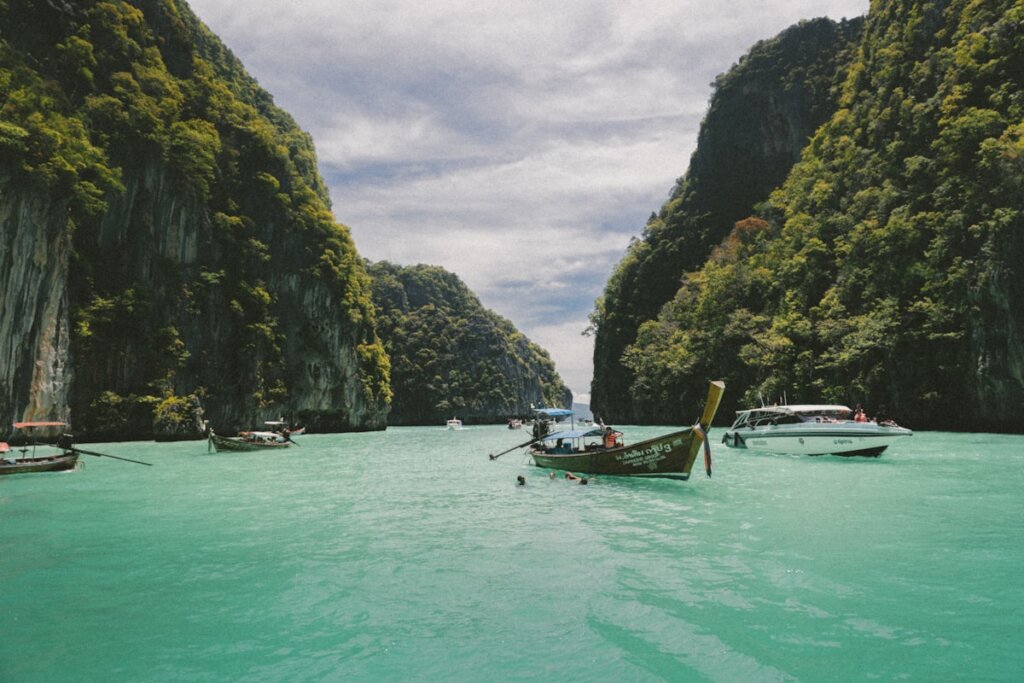
The Big Lagoon, Small Lagoon, and Hidden Beach aren’t travel-magazine hype — they’re genuinely among the most beautiful places on Earth. Kayaking through the Big Lagoon with 30-metre limestone walls on all sides, in water the colour of liquid glass, is the kind of experience people carry for life. This is El Nido’s core promise, and it delivers completely.
Sea Turtles Are a Near-Certainty
On Tour A, seeing sea turtles isn’t a lucky bonus — it’s expected. Guides know the feeding spots, and green and hawksbill turtles appear on the vast majority of Tour A trips. Snorkelling alongside a sea turtle for the first time, in crystal-clear water, is something very few other destinations can reliably offer at this price point.
The Scenery Outperforms Every Photo
El Nido is one of the rare destinations where the reality exceeds the Instagram version. The scale of the limestone karsts, the layering of islands disappearing into the mist, the shifting colours of the water at different times of day — cameras simply cannot capture it fully. This is meaningful: you won’t arrive feeling like you’ve already “seen” it online.
It’s Genuinely Multi-Dimensional
Unlike one-trick beach destinations, El Nido rewards longer stays. There are 4 distinct island-hopping routes, inland waterfalls, bird watching, surfing, diving courses, fishing charters, a fascinating indigenous Tagbanua culture, excellent local food, and a surprisingly good restaurant scene. Seven days feels full without feeling padded.
What El Nido Gets Wrong
Crowds Are a Real Issue in Peak Season
In December–February, El Nido has a serious overtourism problem at the most popular tour stops. The Big Lagoon can have 20+ boats waiting at the entrance. The Small Lagoon queues for kayaks. Hidden Beach has people shoulder to shoulder. This doesn’t negate the experience — the natural setting is powerful enough to transcend crowding — but it’s not the secluded paradise the photos suggest.
Solution: Visit in March–May or late November. Or book private charters that depart at 7 AM before the shared tours. The same sites feel completely different at 8 AM vs 11 AM.
Infrastructure Doesn’t Match the Hype
El Nido has power cuts (often 2–4 hours daily), unreliable ATMs (bring cash from Manila), slow internet, and limited medical facilities. For many travellers this is part of the remote island charm. For others it’s a genuine frustration, especially if you’re working remotely or have health considerations. The digital nomad guide is honest about connectivity limitations.
Getting There Is Complex and Expensive
The AirSwift direct flight from Manila costs PHP 3,500–9,000 one way. The budget alternative (fly to Puerto Princesa + 6-hour van) takes a full day. Neither is convenient. This is a significant friction point for first-time visitors and adds meaningfully to the total trip cost. The getting to El Nido guide helps navigate this.
Some Mainland Beaches Are Overrated
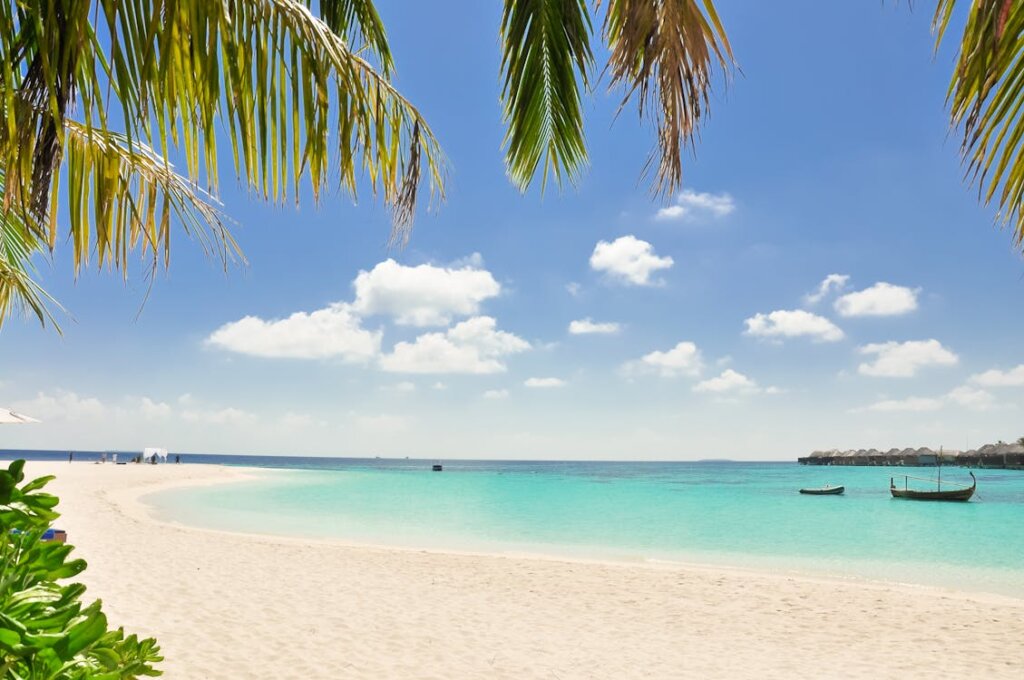
Corong-Corong Beach — despite being heavily photographed — is shallow and silty in many sections, not ideal for swimming. Las Cabanas Beach is better (great for sunsets, decent swimming) but small. Nacpan Beach is genuinely excellent. The honest truth: El Nido’s best beaches are boat-access-only (the tour stops). The mainland beaches are for sunsets and scenic walks, not swimming perfection.
Who Should Visit El Nido
El Nido is perfect for:
- ✅ Nature and wildlife lovers
- ✅ Snorkellers and divers
- ✅ Photographers and visual travellers
- ✅ Couples and honeymooners (especially shoulder season)
- ✅ Adventure travellers (surfing, kayaking, caving, freediving)
- ✅ Families with children aged 6+ who can snorkel
El Nido may not be ideal for:
- ❌ Beach resort seekers who want large swim beaches and lounge chairs
- ❌ Luxury travellers expecting consistent 5-star infrastructure (private island resorts excepted)
- ❌ Digital nomads needing reliable fast internet
- ❌ Travellers who dislike boat travel or get seasick easily
El Nido vs the Alternatives
- El Nido vs Coron: El Nido wins for lagoons and beaches; Coron wins for wreck diving and freshwater lakes. See the detailed comparison.
- El Nido vs Boracay: El Nido wins for nature and authenticity; Boracay wins for swimming beach quality and nightlife. See El Nido vs Boracay.
- El Nido vs Siargao: El Nido wins for visual drama; Siargao wins for surf and surf-community culture. See El Nido vs Siargao.
The Bottom Line
El Nido is worth it. The lagoons, sea turtles, and limestone scenery genuinely deliver on the promise. The frustrations — crowds in peak season, infrastructure limitations, expensive getting-there — are real but manageable with good planning. Visit in March–May for the best version of El Nido, book accommodation and flights ahead, bring cash, and you will not be disappointed.
Frequently Asked Questions
Is El Nido worth visiting in 2026?
Yes — El Nido remains one of the world’s finest island destinations. The natural scenery (Big Lagoon, Hidden Beach, sea turtle encounters) is genuinely extraordinary and continues to exceed visitor expectations. Crowds have grown but are manageable with smart timing (March–May, early morning private charters) and realistic expectations.
What is El Nido best known for?
El Nido is best known for its dramatic limestone karst scenery, the Big Lagoon and Small Lagoon (Tour A), Hidden Beach (Tour C), sea turtle snorkelling, and island-hopping tours through Bacuit Bay. It is widely considered the most beautiful destination in the Philippines and one of the top island destinations in Southeast Asia.
Is El Nido too touristy?
In peak season (December–February), some of the most popular tour stops feel crowded — particularly Big Lagoon and Hidden Beach. In shoulder season (March–May, November), crowds drop significantly. The bay’s scale means genuine seclusion is always possible with a private charter or early morning departure. El Nido is touristy but hasn’t been as degraded as Koh Phi Phi in Thailand.
How does El Nido compare to Bali?
El Nido wins decisively on raw natural beauty — the lagoons, limestone karsts, and marine life have no equivalent in Bali. Bali wins on infrastructure, restaurant variety, cultural richness, and ease of access. El Nido is more remote and requires more planning effort, but the payoff for nature and adventure travellers is significantly higher.
| Platform | Best For | El Nido Deals |
|---|---|---|
| Booking.com | Hotels, resorts, free cancellation | View deals → |
| Agoda | Best Asia prices, loyalty rewards | View deals → |
| Klook | Tours & activities | Browse tours → |