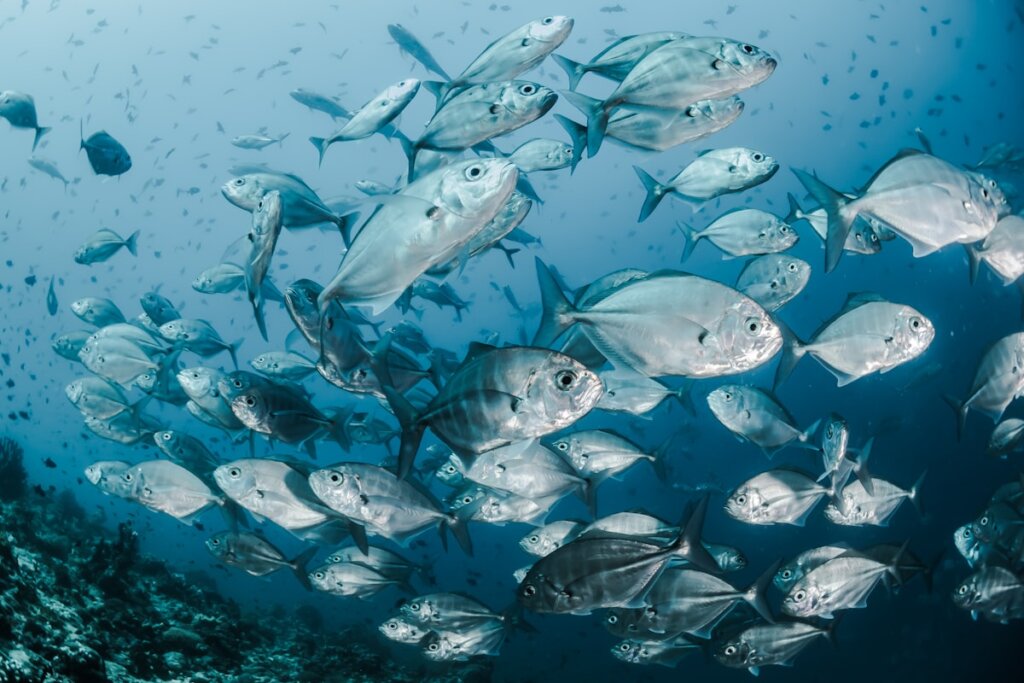

El Nido’s waters are home to some of the Philippines’ most diverse and healthy marine ecosystems — coral gardens teeming with reef fish, resident sea turtles, blacktip reef sharks, eagle rays, and vibrant underwater landscapes tucked beneath those famous limestone cliffs. This El Nido snorkeling spots guide ranks the best places to snorkel, what you’ll see, and how to reach each one.
Best Snorkeling Spots in El Nido: Overview
| Spot | Tour | Coral Quality | Marine Life | Visibility | Difficulty |
|---|---|---|---|---|---|
| Bulalacao Island | Tour D | ⭐⭐⭐⭐⭐ | ⭐⭐⭐⭐⭐ (sharks, turtles) | 10–15m | Easy–Moderate |
| Helicopter Island | Tour C & D | ⭐⭐⭐⭐⭐ | ⭐⭐⭐⭐ (turtles, parrotfish) | 8–12m | Easy |
| Tapiutan Island | Tour C | ⭐⭐⭐⭐ | ⭐⭐⭐⭐ | 8–10m | Easy |
| Seven Commandos Beach | Tour A | ⭐⭐⭐ | ⭐⭐⭐ | 6–8m | Easy |
| Payong-Payong Beach | Tour A | ⭐⭐⭐⭐ | ⭐⭐⭐ | 6–10m | Easy |
| Entalula Island | Tour B | ⭐⭐⭐ | ⭐⭐⭐ | 6–8m | Easy |
| Siete Pecados | Private | ⭐⭐⭐⭐ | ⭐⭐⭐⭐ | 8–12m | Easy |
| South Miniloc | Dive/Private | ⭐⭐⭐⭐⭐ | ⭐⭐⭐⭐⭐ (dive site) | 10–20m | Moderate (dive) |
| Big Lagoon entrance | Tour A | ⭐⭐⭐ | ⭐⭐⭐ | 5–8m | Easy |
The Best Snorkeling Spots in Detail
1. Bulalacao Island (Tour D) — El Nido’s #1 Snorkel Spot
If you can only snorkel one spot in El Nido, make it Bulalacao Island on Tour D. This remote island hosts the healthiest coral in the entire Bacuit Archipelago — a vast, shallow reef system with exceptional visibility and, most remarkably, a resident population of blacktip reef sharks.
- Sharks: Blacktip reef sharks (1–1.5m) are regularly seen patrolling the shallows. They are non-aggressive and will ignore you if you move calmly. Do not chase or splash aggressively near them.
- Turtles: Green sea turtles are frequently spotted grazing on seagrass and resting near coral heads
- Coral: Extensive hard coral coverage — table corals, brain corals, staghorn corals — with exceptional fish diversity
- Depth: Snorkeling reef is 1–5m deep — perfect for all abilities
- Access: Tour D only (or private charter). See our Tour D Guide.
2. Helicopter Island (Tour C & D) — Best All-Round Reef
Helicopter Island (Dilumacad) has excellent snorkeling directly off both ends of its beach — one of the most accessible and consistently good snorkel spots in the archipelago. The reef wraps around the rocky headlands at either end of the beach, beginning in just 1–2 metres of water.
- What you’ll see: Parrotfish, angelfish, batfish, surgeonfish, groupers, occasional turtles, and healthy hard coral
- Best direction: Head right from the beach (when facing the sea) for the densest coral coverage
- Depth: 1–8m along the reef — suitable for beginners and experienced snorkelers alike
- Access: Tours C and D. One of the few stops appearing on two different tours.
3. Tapiutan Island (Tour C) — Best Variety
The final snorkel stop on Tour C, Tapiutan Island has a fringing reef with good diversity — harder corals, soft corals, and a wide variety of tropical fish species. By this point in Tour C you may be tired, but the snorkeling here rewards those who get in the water.
- What you’ll see: Lionfish (don’t touch — venomous), clownfish (Nemo!), parrotfish, moorish idols, and occasional sea turtles
- Depth: 2–6m along the reef slope
- Access: Tour C only. See our Tour C Guide.
4. Payong-Payong Beach (Tour A) — Best on Tour A
The last stop on Tour A, Payong-Payong is often overlooked because everyone is tired by this point — but its reef is the best snorkeling on the entire Tour A route. The coral shelf starts in 1–2m of water and drops progressively to deeper sections.
- What you’ll see: Dense coral formations, schools of fusiliers, parrotfish, surgeonfish, and occasional turtles sheltering under coral heads
- Tip: Arrive with energy to snorkel here — even 20 minutes in the water is rewarding
- Access: Tour A. See our Tour A Guide.
5. Siete Pecados Marine Park — Best Shore Snorkeling
Siete Pecados (Seven Sins) is a cluster of seven rock outcrops near the mainland that protects a small but exceptionally healthy marine park. Unlike the tour stops, Siete Pecados can be reached by kayak from the El Nido town beach, making it one of the few quality snorkel spots accessible without a full tour.
- Access: Kayak rental from El Nido beach (₱200–₱300/hour) or include on a private charter itinerary
- What you’ll see: Dense coral gardens in 2–6m of water, very high fish diversity, occasional turtles
- Visibility: 8–12m on calm days
- Tip: Best visited early morning before boat traffic stirs up sediment
Snorkeling Tips for El Nido
- Bring your own mask and snorkel: Tour-provided gear works but often fits poorly. Your own well-fitting mask makes the experience significantly better.
- Use fins: Fins let you cover more ground without effort and keep you stable over the reef. Most operators provide them; bring your own if you have a specific size preference.
- Snorkel the edges, not the centre: The best coral is always at rocky headlands and cliff bases — not in the sandy middle of bays where most tourists swim.
- Don’t stand on the reef: Never stand on coral — it’s alive. Keep your fins angled upward when swimming over shallow reef sections.
- Use reef-safe sunscreen: Chemical sunscreens damage coral. See our Eco-Tourism Guide for alternatives.
- Go early: Visibility and coral conditions are best before 11am. Afternoon currents and boat traffic reduce visibility at many spots.
- Life jacket option: Non-swimmers or those less confident can snorkel with a life jacket — ask the guide. The flotation makes it very accessible for beginners.
Diving vs Snorkeling in El Nido
El Nido has excellent diving as well as snorkeling. The key difference: many of the most spectacular marine life sightings (whale sharks at South Miniloc, hammerheads at North Rock, large manta rays) occur at depths only divers can reach. Snorkeling covers everything in the top 5 metres — which is still extraordinary, especially at Bulalacao and Helicopter Island.
If you’re interested in diving, see our El Nido Diving Guide for dive sites, operators, and courses. For tips on snorkeling safely: Snorkeling Tips for Beginners.