
Swimming with the world’s largest fish in the crystal-clear waters of Palawan is a bucket-list experience that draws travelers from around the globe. The Philippines is one of the most reliable destinations for whale shark encounters, and the waters around El Nido and the broader Palawan region offer real possibilities for these magnificent encounters. This complete guide covers everything you need to know about El Nido whale shark season, where to find them, and how to do it responsibly.
Are There Whale Sharks Near El Nido?
Yes — whale sharks (Rhincodon typus) do appear in the waters around El Nido and northern Palawan, though sightings are seasonal and not guaranteed. El Nido is not as consistently reliable for whale sharks as Donsol (Sorsogon) or Oslob (Cebu), which are the Philippines’ most famous whale shark destinations. However, whale sharks are sighted seasonally in the Bacuit Bay area and surrounding waters, making El Nido a genuine, if less predictable, whale shark destination.
The key advantage of El Nido whale shark encounters: they happen in the wild, with free-swimming animals — not the controversial “feeding” encounters at Oslob.
El Nido Whale Shark Season
Peak Season: November to May
Whale shark sightings near El Nido are most frequent during the dry season (November through May). The convergence of several factors drives this pattern:
- Plankton blooms: Seasonal current patterns concentrate zooplankton and fish eggs in northern Palawan waters during this period — the primary food source for whale sharks
- Calm seas: The northeast trade winds (amihan) keep the Sulu Sea and Bacuit Bay relatively calm, making encounters accessible by boat
- Better visibility: Dry season water clarity of 20-30 m makes spotting whale sharks from the boat surface more feasible
- Peak months within peak season: December through March see the highest concentration of whale shark reports from local fishermen and dive operators
Monsoon Season (June-October): Lower Probability
While whale sharks are present in Philippine waters year-round, sightings near El Nido drop during the southwest monsoon (habagat) season. Rougher seas, reduced visibility, and different current patterns make encounters both less likely and harder to safely access by boat.
Where Whale Sharks Are Found Near El Nido
Outer Bacuit Bay and Open-Water Areas
Whale shark sightings near El Nido typically occur in the open water beyond the main archipelago islands — particularly in the plankton-rich channels between islands where currents concentrate food. These are not fixed locations; whale sharks follow food concentrations and can appear unpredictably.
Linapacan Strait
The Linapacan Strait between Palawan and the Calamian Islands is a known whale shark corridor. This is a multi-hour boat journey from El Nido town and typically accessible only on liveaboard or extended private charter trips. Operators running the El Nido-to-Coron liveaboard route sometimes encounter whale sharks in this area.
Honda Bay and Southern Palawan
Whale shark encounters are more reliably reported from Honda Bay near Puerto Princesa (3 hours south of El Nido). If a guaranteed whale shark experience is your top priority, considering a day trip or overnight to Puerto Princesa alongside your El Nido stay may improve your odds.
How to Find Whale Sharks Near El Nido
Option 1: Ask Your Island Hopping Boat Crew
The most practical approach. El Nido’s boat crews are on the water daily and share information through WhatsApp and radio contact with other crews. If whale sharks have been spotted recently, your crew will know within hours. On standard island hopping tours, if a whale shark is spotted in the area, many boat captains will adjust their route to give guests a viewing opportunity.
Option 2: Book a Dedicated Whale Shark Tour
Some El Nido dive operators and tour companies offer dedicated whale shark encounter tours during peak season. These tours typically depart at dawn, head to known feeding areas, and use lookouts on elevated points to spot the sharks’ dorsal fins from the surface. Success is never guaranteed but probability is highest on these dedicated trips.
- Cost: P2,500-P5,000 per person for dedicated whale shark tours
- Duration: 4-8 hours
- Best booking: Through PADI dive operators in El Nido town who have current water intelligence
Option 3: Liveaboard Diving
Multi-day liveaboard dive trips operating from El Nido, covering the northern Palawan route to Coron, offer the highest probability of whale shark encounters. These trips cover more open water territory and have dive guides actively looking for whale sharks at multiple sites over several days.
- Cost: P30,000-P80,000+ for 3-5 day liveaboard
- Best season: December-March for highest whale shark probability
Responsible Whale Shark Tourism: The Rules
Whale sharks are a protected species in the Philippines (Republic Act 9147). Irresponsible tourism behavior — touching, chasing, or using motorized equipment near whale sharks — is illegal and carries fines. El Nido’s marine conservation culture is generally strong, but it is worth knowing the rules before any encounter:
- No touching: Never touch a whale shark. Skin contact removes their protective mucus coating and stresses the animal.
- Maintain distance: Stay at least 3 meters from the body and 4 meters from the tail. Do not position yourself directly in front of or behind the shark.
- No flash photography: Flash can startle and disorient whale sharks. Use natural light only.
- No motorized equipment near the shark: Boat engines must be turned off or put in neutral when whale sharks are in the water. No jet skis or motorized snorkeling scooters.
- Swim, do not dive: Scuba bubbles near whale sharks can agitate them. Snorkeling (freediving) is the preferred way to observe.
- Maximum group size: Follow your operator’s guidance on swimmer numbers in the water simultaneously near a whale shark.
A note on Oslob: The Oslob whale shark feeding operations in Cebu are controversial — whale sharks are fed fish to keep them stationary for tourism. Many marine biologists and conservation organizations oppose this practice as it disrupts natural behavior and migration patterns. El Nido’s wild, unfed whale shark encounters are the ethical alternative.
What to Do During a Whale Shark Encounter
- Enter the water quietly and slowly — do not splash
- Stay calm and move with slow, deliberate strokes alongside the shark (never in front)
- Keep your fins away from the shark’s body — a fin brush can cause injury
- Observe and absorb the moment — whale sharks move deceptively fast and encounters typically last 5-15 minutes
- Take photos and video but do not let equipment pursuit override the experience
- Exit the water when the shark moves away — do not chase it
Other Marine Megafauna Near El Nido
If a whale shark encounter proves elusive, El Nido’s waters offer other extraordinary marine life experiences:
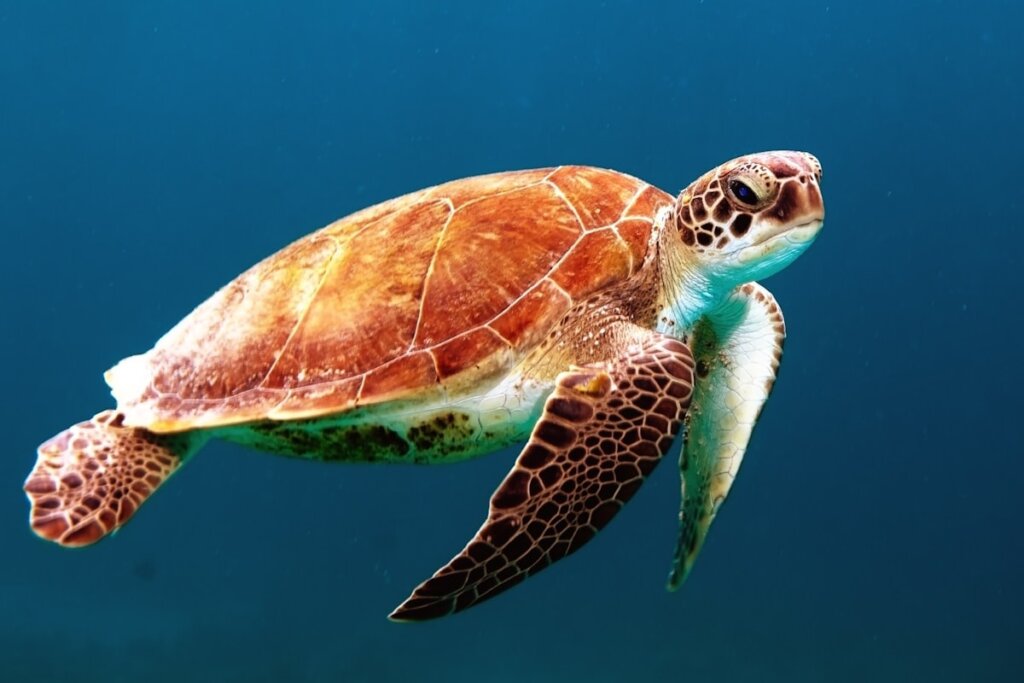
- Sea turtles: Almost guaranteed on island hopping tours — green and hawksbill turtles are common at Small Lagoon and near Miniloc Island
- Blacktip reef sharks: Regular sightings at outer reef snorkel spots, particularly near Hidden Beach and Shimizu Island
- Manta rays: Occasional sightings in open water channels between islands, particularly during plankton blooms
- Thresher sharks: Rare but sighted by divers at deeper sites during certain seasons
- Dugongs: Critically endangered; occasionally sighted in seagrass areas around northern Palawan — an extraordinary and rare encounter
Frequently Asked Questions
Is El Nido good for whale sharks?
El Nido offers genuine whale shark encounter possibilities, particularly November-March, but sightings are not guaranteed. If whale sharks are your primary goal, consider combining El Nido with a visit to Donsol (Sorsogon) which has the most reliable wild whale shark aggregations in the Philippines, or time your El Nido visit for peak season (December-March) and book with a dive operator who actively tracks whale shark activity.
What month has the most whale sharks near El Nido?
December through March is the period with the highest reported whale shark activity near El Nido and northern Palawan. This coincides with peak dry season, when plankton concentrations are highest in the channels between Palawan’s islands.
Can I swim with whale sharks on a standard island hopping tour?
Not specifically — standard island hopping tours (A/B/C/D) do not include whale shark encounters in their itinerary. However, if a whale shark is spotted near the tour route, many boat captains will navigate toward it and allow guests to snorkel nearby. It is an opportunistic encounter rather than a planned one.
Related: El Nido Scuba Diving vs Snorkeling | Best Time to Visit El Nido | El Nido Sailing Charter Guide