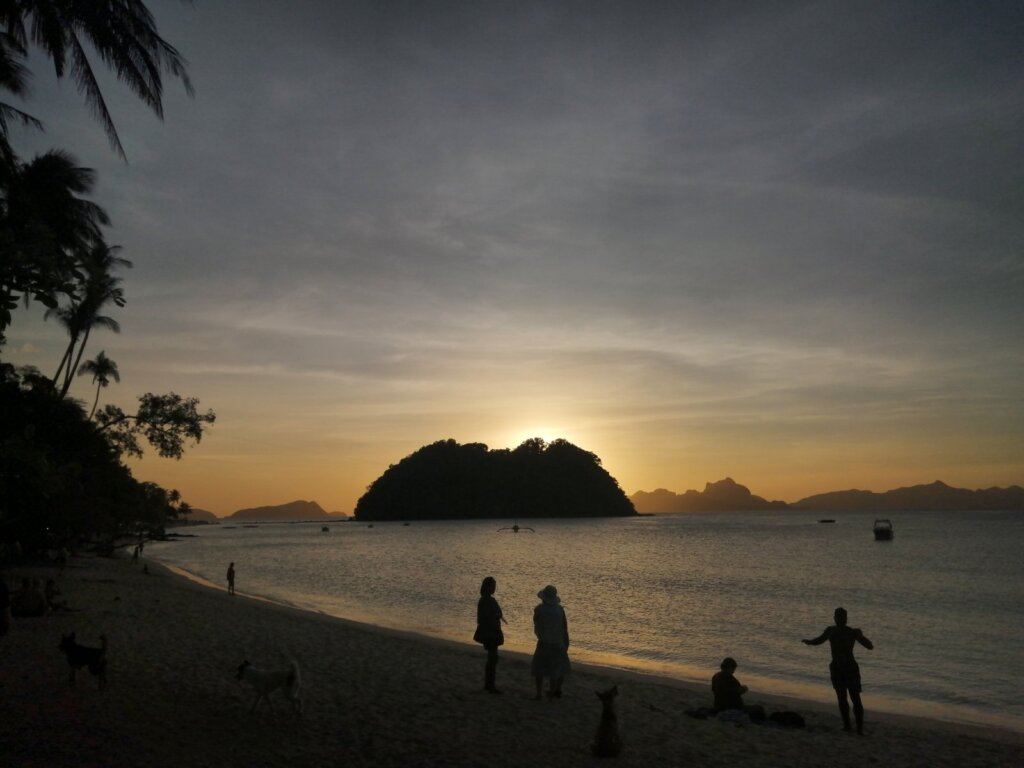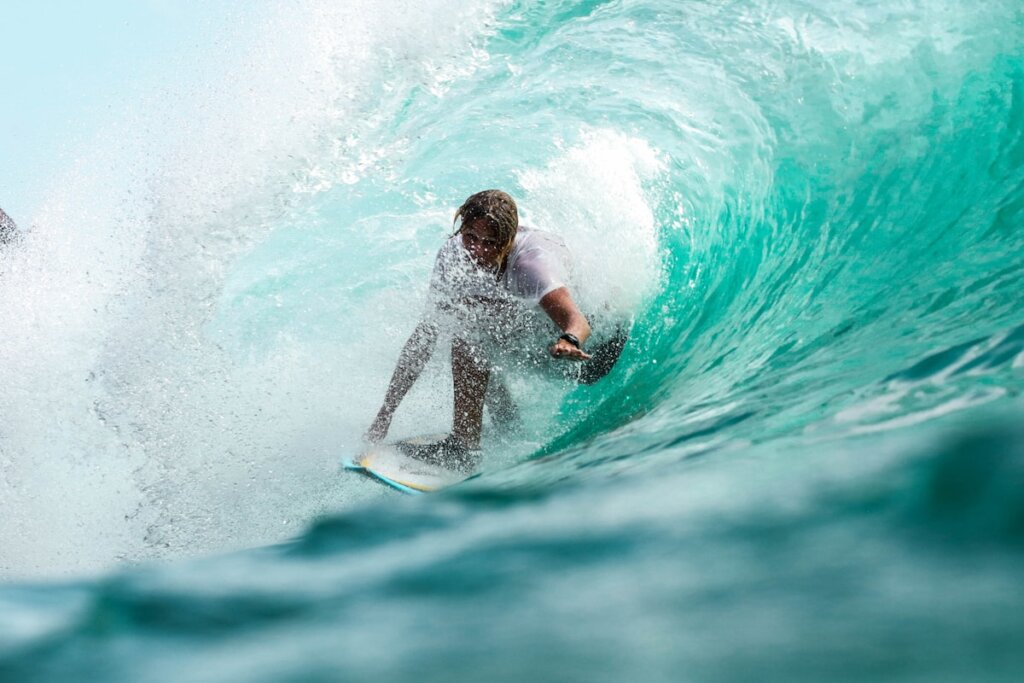

Wondering whether to go scuba diving or snorkeling in El Nido? You are not alone. This is one of the most common questions from visitors planning their Palawan adventure. Both activities reveal the stunning underwater world of El Nido’s Bacuit Archipelago — but they offer very different experiences, costs, and accessibility levels.
This complete guide breaks down El Nido scuba diving vs snorkeling so you can choose the right activity for your skill level, budget, and goals.
- Quick Comparison: Scuba Diving vs Snorkeling in El Nido
- Scuba Diving in El Nido: Everything You Need to Know
- Snorkeling in El Nido: Everything You Need to Know
- Should You Scuba Dive or Snorkel in El Nido?
- Marine Life You Can See in El Nido
- Practical Tips for Both Activities
- Frequently Asked Questions
- Book Your Underwater Adventure in El Nido
Quick Comparison: Scuba Diving vs Snorkeling in El Nido
| Factor | Scuba Diving | Snorkeling |
|---|---|---|
| Depth | Up to 30-40 m | Surface to 3-5 m |
| Experience needed | OWD certification (or beginner Discover Scuba) | None — anyone can snorkel |
| Cost (per session) | P2,500-P5,000 | P500-P1,500 (tour-inclusive or rental) |
| Marine life visibility | Excellent — reefs, wrecks, macro life | Good — reef tops, fish, sea turtles |
| Best for | Certified divers, serious underwater explorers | Families, non-swimmers with life jackets, budget travelers |
| Physical fitness | Moderate — requires comfort with gear | Low — very accessible |
Scuba Diving in El Nido: Everything You Need to Know
El Nido is one of the best scuba diving destinations in the Philippines. The Bacuit Archipelago contains over 45 dive sites with healthy coral reefs, dramatic limestone walls, and rich marine biodiversity.
Top Dive Sites in El Nido
- Dilumacad Island (Helicopter Island): Stunning coral gardens and sea fans at 15-25 m depth. Great for intermediate divers.
- Miniloc Island South Cove: A gentle 8-18 m dive with schools of fish and sea turtles. Ideal for beginners.
- Entalula Island: Known for macro photography — nudibranchs, ghost pipefish, and frogfish.
- Nat-Nat Beach: Shallow dive entry points, coral nurseries, and occasional thresher shark sightings in season.
- Liveaboard routes (northern Bacuit): Advanced sites for experienced divers exploring deeper reefs.
Scuba Diving Costs in El Nido (2026)
- Discover Scuba Diving (no certification needed): P2,500-P3,500 for 1 dive in shallow water, instructor-guided
- Fun dive for certified divers: P1,800-P2,500 per dive, with gear included
- 2-tank dive package: P3,500-P5,000
- PADI Open Water course: P15,000-P22,000 (3-4 days)
- Advanced Open Water: P12,000-P18,000 (2 days)
Best Dive Shops in El Nido
- El Nido Diving Center — one of the oldest PADI-certified operators in town
- Submariner Diving Center — well-regarded for fun dives and certification courses
- Deep Horizon Dive Center — popular for liveaboard arrangements
Always verify your dive shop holds a valid PADI/SSI certification and has proper liability insurance before booking.
Best Season for Scuba Diving in El Nido
The best visibility for diving is during the dry season: November through May. Peak conditions are December to April, when visibility can reach 20-30 m. During the wet season (June-October), plankton blooms can reduce visibility to 5-10 m — though this also attracts larger marine life like whale sharks.
Snorkeling in El Nido: Everything You Need to Know
Snorkeling is the default underwater experience included in almost every El Nido island hopping tour. Tours A, B, C, and D all include multiple snorkeling stops, making it the most accessible way to see the coral reefs.
Best Snorkeling Spots in El Nido
- Small Lagoon (Tour A): Snorkel the entrance channel to see reef fish and sea turtles in just 2-4 m of water
- Snake Island (Tour B): Shallow reef with colorful fish, great for beginners
- Matinloc Shrine area (Tour C): Crystal clear water with abundant reef life around the shoreline
- Cadlao Lagoon (Tour D): Protected lagoon with healthy hard and soft corals
- Tres Marias Rocks: Excellent free snorkeling spot accessible by kayak from El Nido town
Snorkeling Costs in El Nido (2026)
- Tour-included snorkeling (A/B/C/D tours): P1,200-P1,500 per person — snorkeling gear usually provided
- Private snorkeling tour: P3,500-P6,000 per boat (up to 8 pax)
- Mask + fins rental (per day): P200-P400
- Life jacket rental: P100-P200 (recommended for non-swimmers)
Can Non-Swimmers Snorkel in El Nido?
Yes! Non-swimmers can enjoy snorkeling with a life jacket or buoyancy vest. Tour boat crews are experienced with guests of all swimming levels. Just let your guide know and they will ensure you have proper flotation support. The most popular snorkeling spots in El Nido have calm, shallow water that is very safe for beginners.
Should You Scuba Dive or Snorkel in El Nido?
Choose Scuba Diving if You:
- Hold an Open Water Diver certification (PADI/SSI/NAUI)
- Want to explore below 5 m — reef walls, wrecks, deep coral gardens
- Are specifically interested in macro photography, large pelagics, or serious marine exploration
- Have the budget for a dedicated diving day (P3,500+)
- Want to do a PADI course and learn to dive
Choose Snorkeling if You:
- Are a first-time underwater explorer or a non-swimmer
- Are traveling with children or elderly family members
- Want to combine island hopping with underwater exploration in one tour
- Are on a tighter budget — snorkeling is included in standard island hopping tours
- Simply want to see sea turtles and colorful reef fish without gear complexity
Do Both!
Many visitors choose to do a morning island hopping tour with snorkeling, and book a separate afternoon dive on a non-tour day. This gives you the best of both worlds — the social, scenery-rich island hopping experience AND the deeper exploration that only scuba provides.
Marine Life You Can See in El Nido
With Snorkeling
- Sea turtles (very common near Miniloc and Matinloc islands)
- Reef fish: clownfish, parrotfish, surgeonfish, angelfish
- Blue-spotted stingrays in sandy shallow areas
- Sea stars and sea urchins on reef flats
- Blacktip reef sharks (occasionally at outer reef edges)
Additional Species with Scuba Diving
- Nudibranchs, ghost pipefish, frogfish (macro species)
- Moray eels, lionfish, scorpionfish
- Large groupers and Napoleon wrasse
- Whale sharks (seasonal — November to May)
- Hammerhead sharks (at deeper, more advanced sites)
- Cuttlefish, octopus, and squid
Practical Tips for Both Activities
- Bring reef-safe sunscreen — regular chemical sunscreens damage coral reefs. Look for mineral-based options or cover up with a rash guard.
- Book early in the morning — calm seas before 11 AM make for the best underwater visibility and safer conditions.
- Do not touch the coral — even brief contact can kill coral polyps. Keep your fins off the reef.
- Hydrate well — dehydration increases the risk of decompression sickness for divers and heat exhaustion for everyone on the water.
- Check the weather — El Nido’s weather can change quickly. Monsoon season (June-October) may lead to last-minute cancellations.
Frequently Asked Questions
Can I scuba dive in El Nido without certification?
Yes — Discover Scuba Diving (DSD) programs allow non-certified divers to try scuba in shallow, supervised conditions. Your instructor accompanies you throughout the dive. This is not a full certification, but it is a great intro to diving.
What is the water temperature in El Nido?
El Nido sea temperature averages 27-30 degrees C (80-86 F) year-round. A thin 3mm wetsuit or rashguard is sufficient for most divers. Snorkelers generally need no wetsuit.
Is it safe to scuba dive in El Nido?
El Nido is generally very safe for diving when you book with a reputable PADI/SSI-certified dive shop. Always dive within your certification limits and declare any medical conditions to your divemaster.
Which El Nido tour has the best snorkeling?
Tour A and Tour C are generally considered the best for snorkeling due to their crystal-clear lagoon waters and healthy reef systems. Tour A includes Small Lagoon and Big Lagoon areas; Tour C passes the Matinloc Shrine with some of the best reef visibility in the archipelago.
Book Your Underwater Adventure in El Nido
Whether you choose to strap on a tank or simply slip on a mask, El Nido underwater world is waiting. The Bacuit Archipelago is one of the most biodiverse marine environments in Southeast Asia.
Related: El Nido Tour A Complete Guide | Island Hopping Tips for El Nido | Tour C Complete Guide