
El Nido Underwater Photography Guide 2026: Tips, Gear and Best Spots
El Nido’s underwater world is as spectacular as the limestone karsts above the surface — and with the right gear and approach, it’s eminently photographable. Sea turtles at snorkelling depth, vibrant coral gardens, clownfish in anemones, and the dramatic electric-blue water of the lagoon interiors all reward the underwater photographer. This guide covers everything from smartphone snorkelling shots to serious housing setups for 2026.
Best Underwater Photography Spots in El Nido
Shimizu Island (Tour A) — Best Coral Wide-Angle
El Nido’s richest reef for wide-angle underwater photography. Enormous table coral formations, brain corals, and staghorn gardens with dense fish schools create layered compositions. Shoot at 10-15 metres depth for the best colour with a wide-angle lens. Sun angle is best 10 am-noon at this site — backlit coral edges glow spectacularly with the sun overhead.
Snake Island (Tour C) — Sea Turtle Portraits
The most reliable sea turtle encounter spot on any standard tour. Green turtles rest on the coral shelf at 3-8 metres — shallow enough for excellent natural light without strobes. Approach from the side (never from above, which causes stress). Shoot at f/8, ISO 400-800 with a wide-angle lens — this puts both the turtle and the reef in sharp focus with the blue water background. The clearest light for turtle shots is 9-11 am.
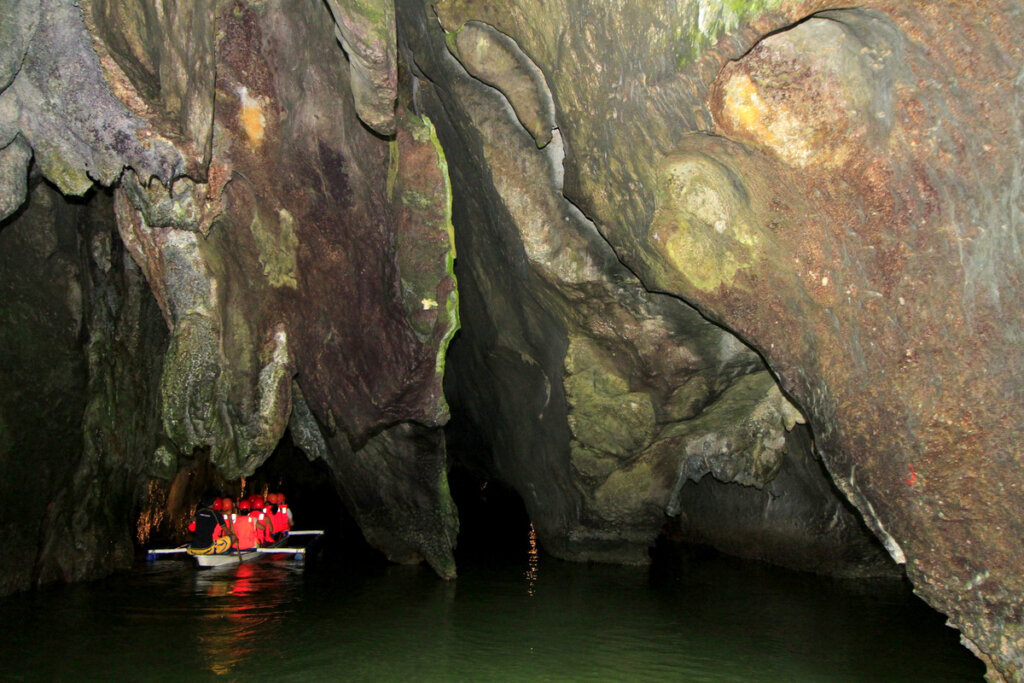
Small Lagoon Interior (Tour A) — Refraction and Colour
The electric-blue water inside Small Lagoon is one of El Nido’s most distinctive photographic subjects — but the interior is accessible only by kayak (no diving or deep snorkelling). The colour comes from light refraction through the white sandy bottom. Shoot from just below the surface (face in water with mask, camera pointing down-forward) — the blue gradations and occasional fish are extraordinary even from a smartphone in a waterproof case.
Matinloc Shrine Reef (Tour C) — Marine Life Diversity
The highest biodiversity of any snorkelling stop on standard tours — grouper, barracuda, sweetlips, and moray eels alongside the usual reef fish. Current-swept, which concentrates both fish and nutrients. Best for: behaviour shots (hunting, cleaning station activity), fish school silhouettes against the sunlit surface. Medium telephoto (if your housing allows) or a macro wet lens for nudibranchs and flatworms on the coral base.
Cadlao Lagoon Wall (Tour D) — Wall and Cave Photography
The eastern wall of Cadlao Lagoon drops from 1 metre to 20+ metres with dramatic soft coral coverage. The wall is ideal for split-level photography (half above, half below the surface) — the lagoon interior and limestone cliffs above contrasted with the coral wall below. Best done on a calm day when surface tension allows clean splits.
Gear Guide: From Smartphone to Pro Setup
Smartphone (Beginner)
- Waterproof case or housing: JAWS universal cases (~2,000-4,000 pesos) or dedicated housings for iPhone/Samsung flagships (~8,000-15,000 pesos). Rated to 30 metres for dive housings, 3-5 metres for basic cases.
- Use ProRAW or manual mode: Auto mode underwater creates muddy green images. Dial in white balance manually (cloudy or shade setting in shallow water) or shoot RAW and correct in editing.
- Add a red filter: Below 5 metres, red wavelengths are absorbed — a clip-on red filter (500-1,500 pesos) restores natural colour without strobes for shallow snorkelling.
- Best for: Casual vacation shots, Instagram-level reef and turtle photos.
Action Camera / GoPro (Enthusiast)
- GoPro Hero 12 or DJI Osmo Action 4: Built-in waterproofing (10 metres), wide-angle native lens, excellent stabilisation for video.
- Add a wide-angle wet lens: The native GoPro field of view is already wide but a Flip Filters or Backscatter EMWL lens expands it further for sweeping reef shots.
- Use the GoPro colour profile “Flat”: Shoot flat for maximum editing flexibility, then grade in LumaFusion or DaVinci Resolve.
- Best for: Video, snorkelling selfies, action sequences on island-hopping tours.
Compact Camera in Housing (Advanced Enthusiast)
- Sony RX100 VII in MPK-URX100A housing: The benchmark compact underwater system — 20MP, 200mm equivalent zoom, shoots RAW, and the housing is rated to 45 metres. The zoom capability is unique among compact housings — useful for turtle behaviour and reef fish close-ups without disturbing the subject.
- Add strobes: A single Inon S-2000 strobe (~25,000-35,000 pesos) transforms colour and contrast below 5 metres where available light is insufficient.
- Best for: Serious reef photography, macro, and situations where quality matters.
Mirrorless / DSLR in Housing (Professional)
- Sony A7 series or Nikon Z in Nauticam housing: Full-frame image quality, full manual control, and the ability to use wide-angle dome ports for split-level shots or fisheye lenses for wide reef landscapes.
- Minimum two strobes: Inon Z-330 or Sea & Sea YS-D3 strobes provide even, shadowless light across the coral.
- Investment: 150,000-400,000+ pesos for a complete pro rig. Not for casual visitors — but if you already own this kit, El Nido is one of Asia’s best destinations to use it.
Camera Settings for El Nido Underwater
- Shallow snorkelling (0-5 m): f/8, 1/250s, ISO 400, white balance set manually to “shade” or use a red filter. Rely on natural sunlight.
- Medium depth (5-15 m): f/8, 1/160s, ISO 800-1600 with strobes, or ISO 3200 without (accept some noise for the shot).
- Turtle portraits: f/6.3-f/8, 1/250s (freeze movement), ISO 800, single strobe for fill if available.
- Wide-angle reef: f/11, 1/160s, ISO 400 with strobes — this stops motion, achieves depth of field across the entire coral, and keeps colour accurate.
Responsible Underwater Photography
- Never touch the reef for stability: Kneeling on or touching coral to steady a shot causes permanent damage. Practice buoyancy control in a pool before shooting underwater in El Nido.
- No flash on sea turtles: Camera flash disorients and stresses turtles. Shoot with natural light or a strobe aimed at the reef (not directly at the animal).
- 3-metre distance from marine megafauna: Turtles, whale sharks, manta rays — observe the distance rule and never position yourself in their path to get a shot.
- Don’t use props or bait: Feeding fish for a shot or placing shells/objects in the frame disturbs natural behaviour.
For above-water photography planning, see our El Nido photography guide. For snorkelling spots without a camera, the snorkelling guide has all you need. Find accommodation with safe gear storage on our El Nido hotel guide.
Sources: Backscatter Underwater Video and Photo gear recommendations; IUCN marine wildlife photography ethics guidelines 2026.