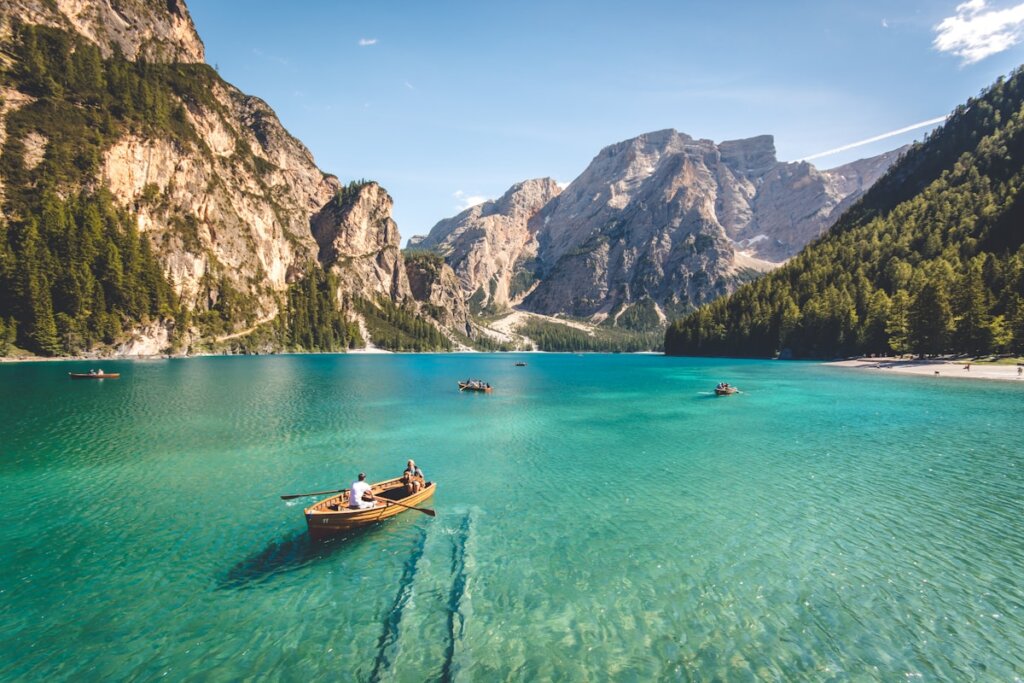

El Nido is one of the most photogenic destinations in Southeast Asia. Towering limestone karsts rising from turquoise lagoons, hidden beaches tucked between cliffs, vibrant coral reefs just beneath the surface, and sunsets that paint the sky in layers of gold and pink — every angle rewards a photographer. But capturing El Nido at its best requires more than pointing and shooting. The tropical light, boat movement, water glare, and sheer scale of the landscape demand preparation. This complete guide covers everything you need to know about El Nido photography in 2026 — from the best times to shoot to essential gear, camera settings, and the spots that deliver the most spectacular results.
Why El Nido Is a Photographer’s Dream
El Nido offers a rare combination of diverse, dramatic landscapes within a compact area. In a single island-hopping day you can photograph:
- The mirror-calm waters of the Big Lagoon reflecting sheer limestone cliffs 200 metres high
- The hidden cove at Secret Beach, accessible only by swimming through a rock arch
- Shimizu Island‘s reef, where visibility can exceed 20 metres on calm days
- The dramatic skyline of the Bacuit Archipelago viewed from Tapiutan Strait at sunset
- El Nido Town’s waterfront at blue hour, with traditional bancas moored along the bay
For the 12 most photogenic locations with specific shooting positions, see our El Nido Instagram spots guide.
Understanding El Nido’s Light
Tropical light is harsh and flat from roughly 10am to 3pm. Scheduling your photography around the quality of light is the single most important decision you can make in El Nido.
Golden Hour and Blue Hour
- Golden hour (5:30–7:30am): Warm, directional light rakes across the karst cliffs. Shadows create depth and texture. This is when landscape shots of the lagoons look their best. Book an early start on Tour A or arrange a private charter to be at the Big Lagoon before 7am.
- Blue hour (5:00–5:30am): The sky transitions from deep blue to gradient pastels. Long exposures of the bay with boat silhouettes produce dramatic, other-worldly results. Requires a tripod.
- Sunset (5:30–6:30pm): The most accessible “golden window” — El Nido’s westward orientation means the karsts catch warm orange light while the water turns gold. Papaya Beach and the balcony viewpoints above town offer clear western horizons.
- Overcast days: Don’t waste them. Flat, diffuse light eliminates harsh shadows on the water’s surface, often making the lagoon colours more vivid — and reef photography improves dramatically when direct sun doesn’t create harsh backscatter.
Seasonal Lighting Conditions
| Season | Light Quality | Photography Suitability |
|---|---|---|
| Nov–Apr (dry) | Clear skies, consistent sunrises/sunsets | ⭐⭐⭐⭐⭐ Best |
| May–Jun (transition) | Dramatic clouds, occasional storms | ⭐⭐⭐⭐ Great for dramatic skies |
| Jul–Sep (wet) | Heavy rain, rough seas, limited visibility | ⭐⭐ Challenging |
| Oct (transition) | Clearing skies, lush green landscapes | ⭐⭐⭐ Improving |
For full seasonal details, see our best time to visit El Nido guide.
Camera Settings for El Nido
Lagoon and Beach Landscape Shots
- Aperture: f/8–f/11 for maximum depth of field — you want both the foreground water and the distant karst cliffs in sharp focus
- ISO: 100–200 in bright conditions; never exceed 400 for daytime shots unless you need the speed
- Shutter speed: 1/250s or faster to eliminate any camera movement on a rocking boat; 1/500s if shooting while paddling a kayak
- White balance: Daylight or Cloudy — avoid Auto WB as it often desaturates the water blues
- Polarising filter: Non-negotiable for lagoon shots. It cuts surface glare and reveals the water’s depth and colour. Results are most dramatic when the sun is at 90° to your shooting direction.
Underwater Photography
- Use a red filter at depths below 3 metres to correct colour (water absorbs red wavelengths rapidly)
- Shoot upward toward the surface for dramatic backlit reef shots with natural light halos
- Get as close to your subject as possible — water reduces contrast and colour at distance. Rule of thumb: if you’re more than 1 metre away, move closer
- Shoot in RAW for maximum post-processing flexibility to recover colour underwater
- Set a fast burst mode for fish and marine life — they move unpredictably and you want to bracket your timing
Sunset and Low-Light Shots
- Bracket exposures — sunset light changes rapidly (sometimes by 2 full stops in 10 minutes)
- Use a tripod or stable surface for exposures longer than 1/60s; on a boat, wait for the most stable moments between waves
- Include foreground interest — traditional bancas, rock formations, or silhouetted trees add depth and frame the scene
- Shoot in burst mode during the final 10 minutes of sunset — clouds move fast and the sky changes colour every 30 seconds
Essential Gear for El Nido Photography
El Nido’s combination of boat travel, humidity, sea spray, and intense UV light is demanding on camera gear. Pack with protection in mind.
Protection Essentials
- Waterproof camera bag: Not just water-resistant — fully waterproof. Boat spray on island-hopping tours is inevitable, and brief rains can arrive without warning.
- Underwater housing or waterproof case: For lagoon and snorkelling shots. Consumer options from Kraken, Ikelite, or Aquatica start from around $200.
- Dry bags: For electronics during boat transfers and beach landings. Even if your bag is “waterproof”, an extra dry bag layer costs almost nothing.
- UV filter: Protects the front element from salt spray and provides a cheap layer to sacrifice if scratched.
- Lens cloths (multiple): Salt spray fogs lenses constantly. Bring 5–6 and wash them each evening.
Accessories That Make a Difference
- Polarising filter (CPL): The single most impactful accessory for El Nido photography. Dramatically improves all lagoon, beach, and water shots.
- Extra batteries (minimum 2 spares): Heat accelerates battery drain significantly — 30°C+ will cut your usual battery life by 20–30%.
- 128GB+ memory cards: You will shoot far more than expected. Bring at least twice your estimated capacity.
- Mini tripod or GorillaPod: Essential for sunset shots, blue-hour long exposures, and any low-light photography.
- Lens blower and cleaning kit: Salt, humidity, and dust are constant challenges.
Smartphone Photography in El Nido
Modern flagship smartphones produce outstanding results in El Nido’s bright conditions. A few key tips:
- Use Pro/Manual mode to lock ISO and shutter speed and avoid the camera over-brightening the sky
- Portrait mode for close-up shots of people and details — the bokeh effect works beautifully with El Nido’s colours
- HDR mode for high-contrast scenes (bright sky, dark karst cliffs in shadow)
- A clip-on polarising filter (available for ~$15–20) significantly improves water shots on phones
- A fully waterproof phone case — not a splash-proof case — is essential for lagoon visits
- Shoot in RAW if available (iPhone ProRAW, Samsung Expert RAW) for better post-processing
Best Spots for El Nido Photography
Each of El Nido’s four island-hopping tours offers distinct photography opportunities:
| Location | Best For | Best Time | Tour |
|---|---|---|---|
| Big Lagoon | Karst reflections, turquoise water | 6:30–8:30am (early entry) | Tour A |
| Small Lagoon | Kayak shots, canyon light | Morning (before crowds) | Tour A |
| Secret Beach | Dramatic rock arch entry | Mid-morning (light through arch) | Tour A |
| Nacpan Twin Beach | Wide beach, palm-fringed, sunset | Late afternoon | Day trip |
| Shimizu Island | Underwater reef, snorkelling | 10am–2pm (sun angle for reef) | Tour C |
| El Nido Town waterfront | Blue-hour bay shots, local life | Pre-dawn and sunset | Town |
| Tapiutan Strait | Archipelago vistas, sunset backdrop | Sunset (5:30–6:30pm) | Private charter |
For the full list of photogenic locations with detailed GPS positions and shooting tips, see our El Nido Instagram spots guide. For drone photography regulations and best aerial viewpoints, see our drone photography guide.
Practical Photography Tips for El Nido Tours
- Arrive at Big Lagoon first thing: The tours typically do Big Lagoon, then Small Lagoon, then beaches. By the time the third tour boat arrives at Big Lagoon (~9:30am), the light is worse and there are 50+ people. Politely ask your boat driver to go there first.
- Book a private charter for serious photography: Standard tours are timed for logistics, not light. A private charter costs around ₱3,500–5,000 for a bangka and lets you time your locations around sunrise and sunset windows. See our private island tour guide.
- Respect the no-drone rules: Drones are prohibited in NIPAS protected areas including the lagoons and most islands without a permit. Flying illegally risks equipment confiscation and fines.
- Protect your gear from humidity overnight: Use silica gel packets in your camera bag when storing gear in air-conditioned rooms — temperature swings cause condensation on lenses.
- Rinse with fresh water after sea exposure: Even with waterproofing, rinse camera bodies and housings with fresh water after each snorkelling or lagoon session.
Plan Your El Nido Photography Trip
The dry season — November through April — offers the most reliable photography conditions: consistent sunrises and sunsets, calm water for reflections, and excellent underwater visibility. The transition months (May–June) bring dramatic cloud formations that can produce spectacular sunset backgrounds, though seas are less predictable.
For accommodation near the waterfront (ideal for early-morning access to the bay), browse our El Nido hotel rankings. For tour options that give you the most photography flexibility, see our island hopping tour guides.
Frequently Asked Questions
What is the best time of day to photograph El Nido?
Golden hour (5:30–7:30am) and sunset (5:30–6:30pm) produce the best landscape photography conditions. Mid-day light is harsh and flat. For underwater photography, 10am–2pm offers the best sun angle for reef shots when combined with a red filter.
Do I need a polarising filter for El Nido?
Yes — a circular polarising filter (CPL) is the single most useful accessory you can bring. It cuts surface glare from the water and reveals the stunning turquoise and teal colours beneath. Without it, lagoon shots often appear pale and washed-out. Clip-on versions are available for smartphones.
Can I fly a drone in El Nido?
Drones are prohibited without permits in NIPAS protected areas, which covers most of El Nido’s lagoons and islands. Flying without a permit risks confiscation by rangers. Licensed commercial drone operators with CAAP permits can fly in designated areas — see our drone photography guide for details.
What camera is best for El Nido?
Any camera from a flagship smartphone to a mirrorless system can produce excellent results in El Nido. The key factors are protection (waterproof bag or housing), a polarising filter, and timing (shooting in good light). A Sony A7 series, Fujifilm X-T5, or even an iPhone 15 Pro with a clip-on CPL will all produce stunning shots if you follow the light.