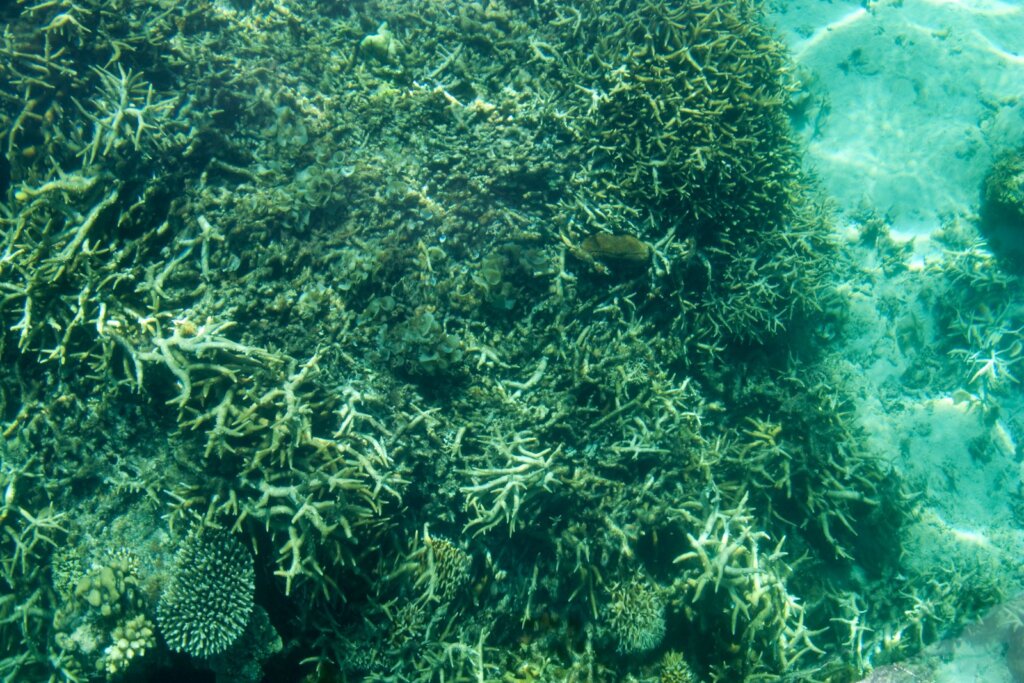

If you want El Nido at its picture-perfect best, March is hard to beat. It lands squarely in the heart of the dry season, delivering reliably sunny skies, calm turquoise seas, and superb visibility for snorkeling and diving. The trade-off is that everyone else knows it too, so March is one of the busiest and priciest months of the year. This 2026 guide covers exactly what to expect from El Nido in March — weather, crowds, costs, activities, and how to plan around the peak.
Weather in El Nido in March
March is prime dry-season weather. It falls in the cool-dry amihan window as it gives way to the hotter pre-summer stretch, so you get plenty of sunshine with lower humidity than the sweltering April-May period. Daytime highs sit around 30–32°C (86–90°F), evenings are pleasant, and rainfall is minimal — washout days are rare. Seas are calm and clear, especially inside Bacuit Bay, which makes island hopping smooth and snorkeling visibility excellent.
These conditions are the reason March consistently ranks among the top months to visit. For how it stacks up across the year, our guide to the best time to visit El Nido puts March in context against the rest of the calendar.
Crowds and Prices
March is high season in full swing. Expect busy tour boats, fuller restaurants, and popular lagoons at their most visited, particularly around midday. Accommodation books up well in advance and rates run at or near their annual peak. To secure the room and tours you want, reserve one to three months ahead, and consider timing your lagoon visits for early morning to beat the crowds. The upside of all this activity is a lively social scene and every operator running at full tilt.
Best Things to Do in March
With flawless conditions, March is made for the water. The signature island-hopping Tours A and C — Big Lagoon, Small Lagoon, Secret Lagoon, Hidden Beach, and Shimizu Island — are at their most spectacular under clear skies and calm water. Diving and snorkeling visibility peaks, kayaking through the lagoons is effortless, and beach days at Nacpan and Las Cabanas are idyllic. Cool, dry evenings are perfect for sunset drinks in Corong-Corong and long seafood dinners in town.
| Aspect | El Nido in March |
|---|---|
| Weather | Sunny, dry, lower humidity |
| Avg high | 30–32°C (86–90°F) |
| Sea conditions | Calm, very clear |
| Crowds | High (peak season) |
| Prices | At or near annual peak |
| Best for | Diving, snorkeling, island hopping |
What to Pack for March
March calls for classic tropical packing with a nod to the strong sun. Bring lightweight clothing, a hat, sunglasses, and generous amounts of reef-safe sunscreen. A rash guard protects during long snorkeling sessions, and water shoes ease rocky beach entries. A dry bag is essential for boat days, and a refillable water bottle keeps you hydrated. Because March is dry, heavy rain gear is optional, though a compact layer for cooler evening breezes is handy. Our El Nido packing list provides the full rundown.
March Versus the Surrounding Months
Compared with February, March is similarly dry and sunny but a touch warmer as the season shifts toward summer. Compared with April, it is slightly less scorching and marginally less crowded before the Easter surge. That makes March a genuine sweet spot within peak season: you get the best weather of the year with conditions just a hair calmer than the April rush. If flexibility allows, aim for a non-holiday week in March to enjoy the peak conditions with slightly lighter crowds.
Getting to El Nido in March
March’s dry, stable weather means smooth transfers and few travel disruptions, which is a real advantage in peak season. Most visitors fly into Puerto Princesa and take the five-to-six-hour van ride north, while limited direct flights serve El Nido’s Lio Airport from Manila and Cebu. Ferries link El Nido with Coron across calm March seas. Because demand is high, book flights, vans, and ferries as far ahead as possible — seats and sailings fill quickly, and last-minute options can be scarce or costly during the peak.
Around town, tricycles cover short trips to Corong-Corong and the piers, and a rented motorbike or chartered tricycle reaches Nacpan and the northern beaches on dry, easy roads. If Coron is on your itinerary, March is an ideal month for the crossing, with the settled seas making the ferry far more comfortable than in the monsoon.
Tips for Beating the March Crowds
Smart timing transforms a peak-season trip. Start island-hopping tours at the earliest departure — usually 8 to 9 a.m. — to reach the Big and Small Lagoons before the flotilla arrives. Consider a private boat charter if you want flexibility and space away from the crowds; splitting the cost among a small group makes it surprisingly affordable. Booking tours a day or two ahead, rather than on arrival, secures the itinerary you want on your preferred date.
Off the water, dine slightly earlier or later than the standard rush to skip restaurant queues, and reserve any special sunset spot in advance. Keep cash on hand, as El Nido has few ATMs and they can run dry in busy periods. Balancing one big tour day with a relaxed beach or town day helps you enjoy the peak without feeling swept along by it.
Where to Stay in March
Because March is peak, accommodation is the part of your trip to lock in earliest. Budget travelers should reserve hostels and guesthouses in El Nido town well ahead, as the best-value beds go fast. Couples chasing sunsets will want Corong-Corong’s west-facing rooms, and families or comfort-seekers gravitate to the resorts around Lio Beach. For seclusion, a night at Nacpan is easy in March’s dry conditions. Whatever your style, the golden rule in March is simple: book early. Our guide to where to stay in El Nido helps you pick the right base for your trip.
March also pairs beautifully with a wider Palawan adventure. Settled seas and dry roads make it a strong month to add Coron to the north or combine El Nido with inland Palawan highlights. If you have the flexibility, target a non-holiday week for the finest balance of peak weather and slightly thinner crowds, and you will experience El Nido at the very top of its form.
Frequently Asked Questions
Is March a good time to visit El Nido?
Yes — arguably one of the best. March delivers peak dry-season weather with sunny skies, calm clear seas, and excellent snorkeling and diving visibility. The trade-off is high-season crowds and prices, so book well ahead.
Does it rain in El Nido in March?
Rarely. March is one of the driest months, with minimal rainfall and abundant sunshine. Full washout days are uncommon, making it highly reliable for island hopping and beach time.
How crowded is El Nido in March?
Quite crowded. March is peak season, so tours, restaurants, and lagoons are busy — especially midday — and accommodation fills early. Book one to three months ahead and visit lagoons early to beat the rush.
What is the water like in El Nido in March?
Excellent. Seas in Bacuit Bay are calm and very clear in March, with warm temperatures and strong visibility, making it a top month for diving, snorkeling, and kayaking.