El Nido is relaxed, but “relaxed” does not mean anything goes. This guide focuses specifically on first-time visitors who want to know what to wear in town, at restaurants, on boat tours, and at churches or community events without feeling underdressed or overdressed. We cover the unwritten norms, the places where modest clothing matters, and a compact packing approach that works for hot, humid days and sudden rain.
The General Rule: Casual, Light, and Respectful
The Philippines is a warm, informal country, and El Nido’s tourism economy is built around beaches, boats, and open-air cafes. Shorts, tank tops, sundresses, and sandals are normal in most places during the day. Nobody expects collared shirts or formal wear at a typical restaurant.
That said, local residents live and work in the same streets that visitors walk through, and many are conservative in daily life. A sensible approach is to treat the beach as the place for swimwear and treat the town as the place for covered, casual clothes. The official Philippines tourism site encourages respectful, responsible travel, and dressing thoughtfully is part of that.
Clothing also has a practical side. The sun is strong, humidity is high, and sudden showers are common, so breathable fabrics and quick-dry materials matter more than fashion rules.
Why dress norms matter here
El Nido grew from a fishing community into one of the most visited destinations in the Philippines, and the town still blends local life with tourism. Children walk to school past guesthouses, families attend church on Sundays, and market vendors set up before dawn. When visitors dress considerately, it signals that they see the town as a community and not only a resort backdrop. It also tends to produce warmer interactions with residents, shopkeepers, and guides.
Comfort is the second reason. Heat and humidity can be intense, especially in the afternoon, and heavy fabrics or tight clothing become miserable quickly. Loose, breathable garments in light colors keep you cooler, and they dry faster after a sudden shower.
Beachwear and Walking Around Town
Swimsuits, bikinis, and swim trunks are fine on beaches and on boats. Once you step into the town center, add a cover-up, T-shirt, or shorts. Walking through the market, a church area, or a local neighborhood in only swimwear or with a bare torso is considered disrespectful by many residents, and some local rules address public attire. Our guide to barangay ordinances and curfew rules explains the kind of local regulations visitors should know about.
Topless sunbathing is not culturally accepted in general public beaches, and nudity is not appropriate. Keep swimwear secure for boat days when you may jump into the water from the side of the boat. A rash guard or swim shirt gives sun protection and extra coverage, and it dries quickly.
Evenings and cooler moments
Evenings in El Nido can feel breezy, especially after a day on the water or near the shoreline. Bring a thin long-sleeve shirt or light jacket for dinner and for the van ride from Puerto Princesa, where air conditioning can be strong. Mosquitoes are more active near dusk, so lightweight long pants or long sleeves help, along with repellent.
Restaurants, Bars, and Resort Dining
At most restaurants in El Nido, clean casual clothing is enough. Bare feet are common at beachfront places, but it is polite to put on a shirt and sandals if you are not directly coming from the sand. Evening dining at upscale resorts may call for a step up, such as a nice sundress, linen shirt, or long shorts, but formal wear is rarely required.
Bars and beach clubs are casual, with swimsuits acceptable at poolside or beachside areas but cover-ups encouraged when you walk into the dining room. If you are unsure, check the venue’s social media pages or ask the front desk. Boutique and luxury resorts sometimes request that guests avoid wearing wet swimwear in the restaurant or lobby.
Footwear for dinner
Flip-flops and sandals are acceptable almost everywhere. At resort restaurants, clean sandals or simple flats look more polished than beach slippers. Hiking sandals or sneakers are useful for viewpoint hikes and rough terrain, and they pair well with casual clothes.
Churches, Community Events, and Cultural Settings
Churches and religious ceremonies call for modest dress. Cover your shoulders and knees, avoid tight or revealing clothing, and remove hats when inside. Quiet behavior and turning your phone to silent is just as important as the outfit. Our guide to church visits and religious etiquette has more detail.
The same approach applies to fiestas and community events. Dressing neatly shows respect for your hosts. If you are invited to a local home or celebration, bring a small gift and wear something clean and modest, rather than your beach clothes.
Visitors sometimes ask about photography at religious events. Always ask permission before taking photos of people, and avoid using flash during services. When in doubt, observe what locals do and follow their lead. A friendly smile and a quiet “thank you” go a long way.
What to Wear on Island Hopping Tours
For boat tours, think function over style. Wear a swimsuit under a rash guard or light shirt, quick-dry shorts, and water-friendly sandals or reef shoes. Bring a hat, polarized sunglasses, and a towel, plus a dry bag for a change of clothes. Reef shoes protect your feet from sharp rocks and sea urchins; see our comparison of water shoes vs sandals for guidance.
Sun protection first
Cloud cover can hide strong UV, so cover up with long sleeves or a sun shirt and apply reef-friendly sunscreen. Avoid wearing jewelry that can fall into the sea, and keep valuables in your dry bag. Layers help because winds on open water can feel cool after you swim.
Group and family tips
If you are traveling with children, bring a spare set of dry clothes for each child because wet swimwear can cause chafing and chills. Teenagers often prefer to wear fashionable clothes for photos, so talk beforehand about which items are suitable for town and which are for the beach. For groups, agree on a simple color or style for matching photos only if it does not compromise comfort, since boat days are active and messy.
Outfit Cheat Sheet
The table below shows typical choices for common situations. It is guidance, not a strict rulebook.
If you only remember one rule, remember this: swimwear belongs at the water, and everything else belongs a little further up the beach. Keep a light shirt in your bag and you will be comfortable almost anywhere in town.
| Situation | Recommended outfit | Avoid | Notes |
|---|---|---|---|
| Beach and pool | Swimwear, cover-up for walking away | Nudity or topless sunbathing | Rash guard adds sun protection |
| Town and market | T-shirt, shorts, sundress, sandals | Swimwear only, bare torso | Carry a light shirt in your bag |
| Casual restaurant | Clean casual wear, sandals | Dripping wet swimwear | Beachfront places are relaxed |
| Upscale resort dinner | Linen shirt, sundress, long shorts | Beach towels, sandy feet | Formal wear is rarely needed |
| Church or ceremony | Covered shoulders and knees | Tight or revealing clothing | Silence your phone, remove hat |
| Island hopping tour | Swimsuit, rash guard, water shoes | Loose jewelry, cotton that stays wet | Bring a dry bag and extra top |
A Simple Capsule Packing List
You can handle nearly every situation with a small set of mix-and-match pieces: two swimsuits so one can dry, a rash guard, two or three light tops, two pairs of shorts, one sundress or light button-up, one pair of long, breathable pants for mosquitoes and cool evenings, a rain jacket, sandals, and water shoes. Add a cover-up and a scarf or sarong that can double as a shoulder covering for churches.
Wash and dry times are long in humid weather, so prefer quick-dry fabrics. Many accommodations can arrange laundry, though it can take a day or more when it rains. Our complete packing list covers gear beyond clothing. For weather updates before you fly, check PAGASA and local forecasts, and consult the Department of Tourism for official travel information.
Shopping for clothes locally
If you forget something, local shops sell light shirts, sarongs, hats, and flip-flops at moderate prices, though sizes and selection may be limited. Buying a locally made sarong is a practical souvenir that doubles as a beach towel, sun cover, and scarf for modest settings. Wash new items before wearing them on a boat trip to avoid dye transfer on wet skin.
Finally, travel with a lightweight laundry bag, a few clothespins, and a small packet of detergent so you can rinse a swimsuit or shirt in your room sink. A tiny routine like this keeps your capsule wardrobe fresh and reduces how much you need to pack.
Frequently Asked Questions
Can I wear a bikini in El Nido town?
Bikinis are fine at beaches and on boats, but in town you should add a cover-up or shorts and a top out of respect for local residents.
Do I need formal clothes for dinner?
Not usually. Clean casual clothes are acceptable almost everywhere, and upscale resorts may prefer a slightly smarter casual look.
What should I wear to church?
Wear modest clothing that covers your shoulders and knees, avoid revealing outfits, and remove hats. Keep your phone silent and be quiet.
What is best to wear on a boat tour?
Quick-dry swimwear, a rash guard, water shoes or sandals with straps, a hat, and a dry bag with a change of clothes.
Is it okay to go topless on the beach?
No. Topless sunbathing and nudity are not culturally appropriate on public beaches in the Philippines and may also violate local rules.
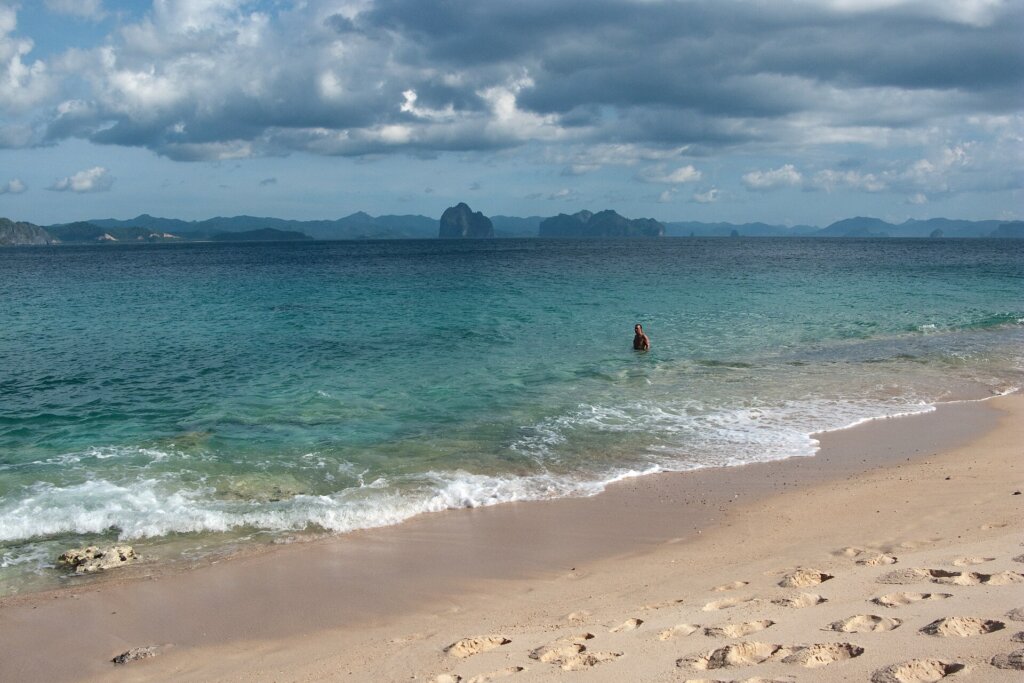
Photo: Island lagoon in Bacuit Bay, via Wikimedia Commons (CC BY 4.0)