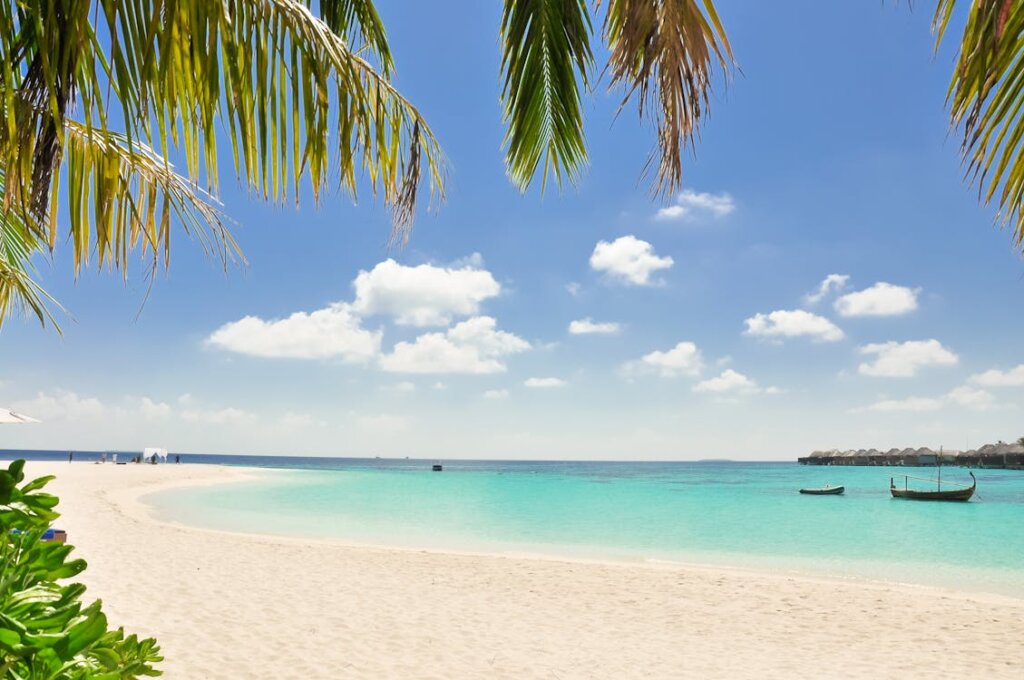
Every day, dozens of outrigger bangkas leave El Nido carrying strangers who will share a deck, a lunch table and a snorkelling spot for the next seven hours. Most tours are a joy. A few are spoiled by the same small frictions: someone who holds up departure, a drone buzzing over a quiet lagoon, a pile of plastic left on the lunch beach. This guide focuses on boat etiquette specifically for travellers joining shared island-hopping tours in El Nido for the first time, although private-boat guests will find most of it useful too.
The unique angle: rather than describing the tour stops themselves (see our Tour A guide and Tour C vs Tour D comparison for that), we focus on the unwritten rules that crews, guides and fellow passengers quietly expect.
Why Etiquette Matters on El Nido Boats
Official visitor information from the Philippine Department of Tourism also emphasises responsible, sustainable travel in Palawan, and El Nido has become a regional example of how tourism rules can protect a fragile coastline.
El Nido’s islands and lagoons sit within the El Nido–Taytay Managed Resource Protected Area, a legally protected landscape and seascape. Rules about waste, reef contact and visitor numbers exist for real ecological reasons, and they are managed under Palawan’s environmental framework, described by the Palawan Council for Sustainable Development. On top of those formal rules, the boat itself is a small shared space. A typical shared tour can carry a couple of dozen passengers plus crew, so small courtesies make a big difference to everyone’s day.
Good etiquette also protects your own experience. Crews who feel respected tend to go the extra mile — finding a quieter snorkel spot, grilling an extra fish, or waiting a few minutes longer at the best beach.
Before Boarding: Rules 1–3
Rule 1: Be on time — actually on time
Tours depart on a schedule shaped by tides, lagoon access windows and the coast guard’s clearance. When one passenger is fifteen minutes late, the entire boat loses fifteen minutes at the best stop. Arrive at the meeting point early, with your environmental fee receipt or tag ready if required. If you are staying outside town, allow extra time for the tricycle.
Rule 2: Pack light and waterproof
Deck space is limited. Bring one small dry bag rather than a large backpack, and keep your phone, cash and sunscreen inside it. Avoid bringing hard-shell suitcases or several bags per person; crews have to stow everything where it will not get soaked. Our reef-safe sunscreen guide explains what to pack for your skin and the reef.
Rule 3: Tell the crew about any needs early
If you get seasick, cannot swim well, have a food allergy or mobility issue, say so at the start. The crew can seat you appropriately, prepare a separate dish or offer a life jacket in the right size. Read our guide on avoiding seasickness on boat tours if motion sickness is a concern.
On the Boat: Rules 4–6
Rule 4: Share the good seats
The seats at the front and on the shaded side are the most popular. If you had them on the way out, offer them to someone else after lunch. Families with small children and older passengers should get first choice of shade.
Rule 5: Keep music and drones considerate
Many passengers join a tour for the quiet. Keep personal speakers off unless the whole boat agrees. Drones are a sensitive subject: some sites restrict them, and even where they are allowed, a drone overhead at a small lagoon disrupts other visitors. Ask your guide before flying and never launch over crowds.
Rule 6: Listen to the safety briefing
The crew knows the currents, rocks and weather far better than any guidebook. When they say to wear a life jacket, stay out of a channel, or return to the boat, do it promptly. Maritime safety is regulated by the Philippine Coast Guard, and crews can be penalised for passengers who ignore rules.
At Stops, Lagoons and Lunch: Rules 7–9
Rule 7: Respect the time at each stop
When the guide says “thirty minutes here”, treat it as thirty minutes. Set a phone timer. Other boats and other passengers are depending on the schedule, and some lagoon entries operate with time slots.
Rule 8: Kayak lanes are shared lanes
At popular lagoons, kayaks create traffic jams in narrow entrances. Keep right where possible, do not stop in the middle of a passage to take photos, and give way to boats carrying guides or rescue equipment. If you are not confident paddling, let your partner steer or opt to swim with a life jacket.
Rule 9: Lunch is communal — help a little
Island-hopping lunches are usually served buffet-style on a beach or on the boat. Wait until the crew signals that food is ready, take reasonable portions so everyone gets grilled fish and rice, and pass plates along. Thank the cook; they have prepared lunch on a moving boat. If you need a special diet, mention it when booking.
Protecting the Reef and Beaches: Rules 10–12
Rule 10: Do not touch, stand on or take anything
Coral is a living animal, and standing on it can kill decades of growth. Do not collect shells, sand or starfish. Giant clams and small sea creatures should be observed, never handled — our guide to giant clams and small sea creatures explains what to look for without disturbing them.
Rule 11: Take every piece of waste back
El Nido has pushed hard to reduce single-use plastic. Bring a refillable bottle, carry your own waste back to the boat, and never leave cigarette butts in the sand. If you see litter, picking up one or two pieces sets a good example.
Rule 12: Tip the crew fairly
Boat crews work long hours in the sun. A tip at the end of the tour, handed directly to the crew rather than the agency, is widely appreciated. Our El Nido tipping etiquette guide suggests fair amounts for shared and private tours.
A note on photos of people
El Nido’s crews, vendors and fishing families are part of the landscape, but they are not props. Ask before photographing someone up close, especially children in the villages you may pass on inland or north-coast tours. A smile and a gesture toward your camera is usually enough; if the answer is no, respect it. The same goes for fellow passengers — not everyone wants to appear in your social media stories, so check before posting group shots.
Sunscreen timing
Apply sunscreen at least fifteen to twenty minutes before you get in the water, not on the beach right before you jump in. It absorbs better, protects you longer and leaves less residue floating on the lagoon surface. Long-sleeve rash guards reduce the amount of sunscreen you need in the first place.
Quick Reference: Do vs Don’t
| Situation | Do | Don’t |
|---|---|---|
| Departure | Arrive early with fee receipt | Keep the boat waiting |
| Seating | Rotate shade and front seats | Claim the best spot all day |
| Snorkelling | Float and observe | Stand on or touch coral |
| Lagoons | Keep kayak lanes clear | Stop in narrow entrances for selfies |
| Lunch | Take fair portions, thank the cook | Pile your plate before others eat |
| Waste | Carry everything back | Leave bottles or butts on beaches |
| End of day | Tip the crew directly | Leave without a thank-you |
Weather Changes and Cancelled Stops
Sometimes the crew changes the route, skips a stop or heads back early. This is almost always because of wind, swell or a coast guard advisory rather than laziness. Stay calm and flexible; arguing puts crews in a difficult position. If a tour is cancelled entirely, our guide to cancelled boat tours and refunds explains your options. You can check the latest PAGASA weather bulletins the evening before to set expectations.
Etiquette on a private boat
Private-boat guests have more freedom to set the route, but the same courtesy applies. Agree the plan with the captain at the start, including the latest return time, and do not pressure the crew to enter a lagoon or cross open water when they advise against it. Offer the crew water and snacks during the day, include them in lunch if food is plentiful, and tip at the end as you would on a shared tour. If you are travelling with a large family group, our multi-generation El Nido planning guide explains how to shape a private boat day for all ages.
Remember that the most memorable tours are often the ones where the whole boat gels — sharing snacks, swapping photos, helping each other into kayaks. A bit of consideration from everyone turns a boat full of strangers into a good day with new friends.
Frequently Asked Questions
Do I need to tip island hopping crews in El Nido?
Tipping is not mandatory, but it is appreciated. Hand a tip directly to the crew at the end of the tour if you were happy with the service.
Can I fly a drone on an El Nido island hopping tour?
Rules vary by site and can change. Ask your guide before launching, avoid flying over people, and respect any no-drone signs in protected areas.
What should I bring on a shared El Nido boat tour?
A small dry bag, reef-safe sunscreen, a refillable water bottle, water shoes, a towel, cash for fees and tips, and any personal medication.
Is it okay to touch coral or pick up shells?
No. Touching, standing on or collecting coral, shells or marine life is harmful and may be prohibited in the protected area.
What happens if the crew skips a stop?
Stops are usually skipped for safety reasons such as wind or swell. Ask the guide politely for the reason; if the tour is cut short significantly, discuss options with the agency afterwards.
Is boat etiquette different on a private tour?
The basics are the same: respect the crew’s safety calls, take waste home and tip fairly. On a private boat you can change the route, but agree the plan with the captain first.