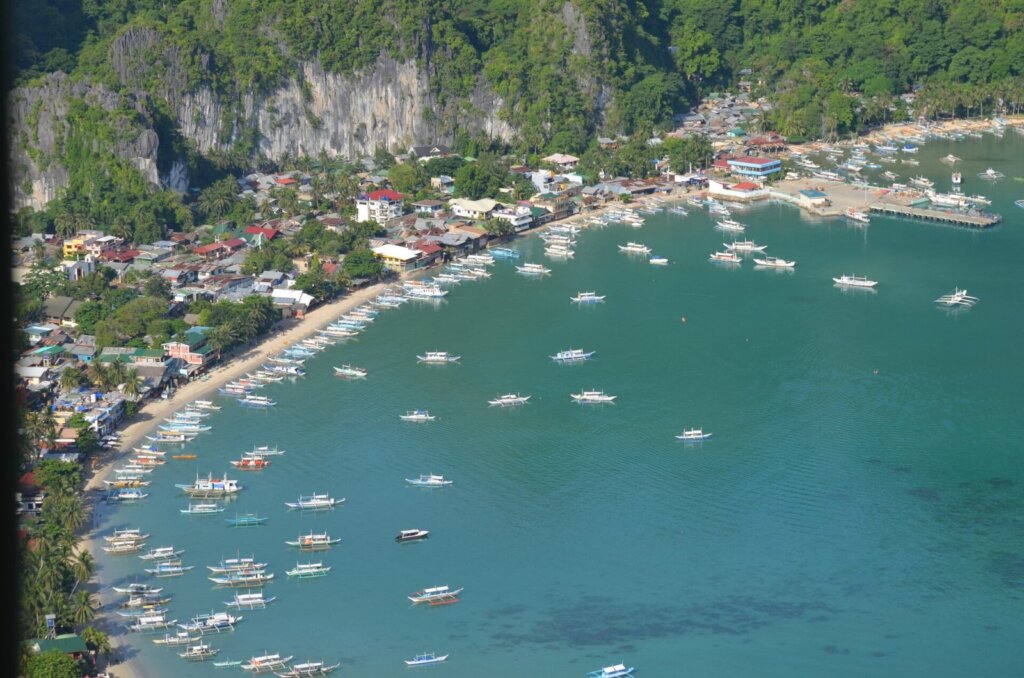

Sooner or later, many longer-stay visitors in El Nido need to send something: a postcard to family, a box of souvenirs too heavy for a strict flight baggage limit, documents for a visa extension, or a forgotten item left at a hotel after checkout. El Nido is a small town on the far northern tip of Palawan, so postal and courier options are more limited than in Manila or Cebu, and timelines are longer.
This guide focuses on sending mail and packages from El Nido specifically for travelers and digital nomads staying a week or more, rather than businesses shipping in bulk. The unique angle: we break down which option to use by what you are sending and where it is going, plus the items you should never try to mail from a protected marine area. Shipping details change, so treat timeframes here as typical ranges and confirm current rates directly with each provider.
- Your Options at a Glance
- Sending Postcards and Letters with PHLPost
- Shipping Boxes Within the Philippines (LBC, J&T and Others)
- Sending Souvenirs Home Instead of Paying Excess Baggage
- International Parcels and Documents
- What You Should Never Mail from El Nido
- Costs, Timing and Forgotten Items
- Frequently Asked Questions
Your Options at a Glance
| Option | Best for | Typical speed (domestic) | Tracking |
|---|---|---|---|
| PHLPost (Philippine Postal Corporation) | Postcards, letters, light international mail | Slow; days to weeks | Limited, depends on service |
| LBC Express | Domestic boxes, documents, pasalubong | Often 2–5 days to Manila | Yes |
| J&T Express and similar couriers | Domestic parcels, online-shop returns | Often 3–7 days | Yes |
| Hotel or tour office forwarding | Forgotten items after checkout | Varies | Depends on courier used |
| International express (via Puerto Princesa or Manila) | Urgent international documents | Several days, plus transfer time | Yes |
The pattern is simple: use PHLPost for sentiment (postcards), a domestic courier for anything valuable inside the Philippines, and plan international parcels around the larger hubs.
Sending Postcards and Letters with PHLPost
The Philippine Postal Corporation (PHLPost) is the national postal service and the only option that still handles traditional stamped mail. Postcards are sold in souvenir shops around El Nido town, but stamps may not be. Ask at the local post office, usually located near the municipal government area in the town proper, and check opening hours before you walk over, since small offices may close for lunch or on weekends.
Tips for postcards that actually arrive:
- Write the country in capital letters on the last line of the address, in English.
- Hand your postcard directly to the clerk rather than leaving it in a drop box, so it is franked and processed.
- Expect a slow journey. Mail from El Nido first travels to Puerto Princesa and Manila before going international. Several weeks is normal; think of it as a delayed souvenir.
- Do not send anything valuable by ordinary mail. Use a tracked service instead.
Background on the service’s history and scope is available on the PHLPost Wikipedia page.
Shipping Boxes Within the Philippines (LBC, J&T and Others)
For domestic parcels, private couriers are the practical choice. LBC Express is the most established, with branches across Palawan, and J&T Express and other couriers have expanded rapidly in provincial towns. Use each company’s branch locator to confirm the nearest El Nido office before you carry a heavy box across town.
Step-by-step: shipping a box from El Nido
- Pack loosely, then weigh. Many branches sell boxes and tape, but bringing your own sturdy box saves time.
- Leave the box open until the counter. Staff may inspect contents for prohibited items.
- Bring a valid ID. Couriers commonly ask for the sender’s ID and a local contact number. A passport works for foreigners.
- Prepare the full recipient address and phone number. Philippine couriers rely heavily on the recipient’s mobile number for delivery.
- Declare value honestly and consider insurance for anything fragile or expensive.
- Keep the receipt and tracking number. Photograph it in case you lose the paper.
Payment is usually in cash, though some branches accept e-wallets. Our guide to using GCash in El Nido explains how foreigners can set it up.
Sending Souvenirs Home Instead of Paying Excess Baggage
Flights into and out of El Nido often have stricter baggage allowances than international flights, especially on smaller aircraft. Before you buy that third bag of dried mangoes, compare two options:
- Option A: Pay excess baggage on your domestic flight, then hope your international allowance covers it.
- Option B: Ship a box by courier to a Manila hotel, a friend, or your departure-day accommodation, then pack it into your international luggage.
Option B often works well for long trips. Ship the box three to five working days before you reach Manila, and confirm with the hotel that they will hold parcels for guests. Our El Nido pasalubong guide lists edible gifts that travel well, and the luggage storage guide helps if you only need to park bags temporarily rather than ship them.
International Parcels and Documents
International shipping directly from El Nido is possible through some providers but tends to be slower and more expensive than from Puerto Princesa or Manila. If you need fast international express delivery, for example signed documents for work, it is usually better to send them from Puerto Princesa on your way out, or from Manila.
Before sending anything abroad:
- Check the destination’s import rules. Food, plant material and wood products are commonly restricted. Dried fish, seeds and some snacks may be refused.
- Complete customs declarations accurately. Undervaluing goods can cause delays or penalties at the destination.
- Keep batteries out. Lithium batteries and power banks face strict shipping rules; carry them in hand luggage instead.
The Bureau of Customs publishes Philippine import and export guidance, which is worth checking for anything unusual.
What You Should Never Mail from El Nido
El Nido lies within a protected marine area, and Philippine law restricts collecting and exporting many natural items. Do not try to mail, or pack, any of the following:
- Coral, whether live, dead or bleached fragments from the beach.
- Seashells of protected species, including giant clam shells. Even common-looking shells can be confiscated.
- Sand or rocks collected from beaches and islands.
- Wildlife products such as turtle shell items, sold occasionally by unscrupulous vendors.
Beyond legal risk, removing these items harms the very ecosystems that make El Nido special. Buy crafts made from sustainable materials instead, and ask sellers where items come from.
Costs, Timing and Forgotten Items
Courier rates in the Philippines are usually based on weight, box size and destination zone. Shipping from a provincial town like El Nido to Metro Manila costs more than shipping within Manila itself, and island destinations in the Visayas or Mindanao can cost more again. Rates change often, so ask the counter for a quote on two or three box sizes before you pack everything.
A few practical ways to keep shipping costs and stress down:
- Use the courier’s own standard boxes. Some providers offer flat-rate box sizes that are cheaper than paying by actual weight for dense items like dried fish, cashews or jars.
- Consolidate. One medium box is almost always cheaper than two small ones. Travel groups can share a single parcel to a Manila address.
- Ship early in the week. Parcels dropped off on Monday or Tuesday are less likely to sit in a hub over the weekend.
- Allow for weather. During the rainy season, flights and ground transport between El Nido and Puerto Princesa can be delayed, and courier timelines stretch accordingly. Add one or two buffer days if your parcel must reach a hotel before you check out.
- Avoid peak holiday periods. In the weeks before Christmas, courier volumes across the Philippines surge, and delivery estimates become less reliable.
- Photograph your packed box and the contents list before sealing it. This helps with insurance claims and with any questions at inspection.
Finally, keep the courier’s hotline and branch number saved on your phone. Our SIM card and internet guide explains how to get a local number, which many couriers require for delivery updates and which recipients in the Philippines also expect.
Forgotten items and hotel forwarding
Left a charger, swimsuit or passport copy behind? Contact your hotel quickly by phone or messaging app, describe the item and where you left it, and offer to pay courier fees by e-wallet or bank transfer. Most hotels will package and send items by LBC or another domestic courier once payment is arranged. International forwarding is harder and costlier, so weigh whether the item is worth replacing instead.
If the lost item is your passport itself, do not wait for a courier. Follow the steps in our lost or stolen passport guide and contact your embassy. And before you leave town, run through our departure day checklist so nothing needs forwarding in the first place.
Shipping from El Nido takes a bit more patience than in a big city, but with the right provider for each job, your postcards, souvenirs and paperwork will reach their destination.
Frequently Asked Questions
Is there a post office in El Nido?
Yes, PHLPost operates a post office in El Nido town, typically near the municipal government area. Hours can be limited, so check before visiting and hand mail directly to the clerk.
How long does a postcard from El Nido take to arrive overseas?
Expect several weeks. Mail travels from El Nido to Puerto Princesa and Manila before international dispatch, so delivery times are slow and variable.
Can I ship a box from El Nido to Manila?
Yes. Domestic couriers such as LBC Express and J&T Express accept parcels in El Nido, with typical delivery to Manila in a few working days. Bring ID and the recipient’s phone number.
Can I mail seashells or coral home from El Nido?
No. Coral and many shells are protected under Philippine law, and El Nido is a protected area. These items can be confiscated and may lead to penalties.
What is the best way to send urgent international documents from El Nido?
Use an international express service from Puerto Princesa or Manila for the fastest results, since direct international shipping from El Nido is slower.