
Most El Nido guides tell you where to snorkel; almost none tell you who to call when something goes wrong. This guide focuses specifically on emergency contacts and the practical steps foreign travelers need in El Nido, Palawan — a remote town where the nearest full hospital is hours away by road. Bookmark it, screenshot the numbers, and you will move faster and calmer if an accident, illness, or lost passport interrupts your trip.
- Why El Nido Needs Its Own Emergency Plan
- The Essential El Nido Emergency Numbers
- Medical Emergencies in El Nido
- Water and Boat-Tour Emergencies
- Police, Tourist Assistance, and Reporting Theft
- Natural Hazards: Typhoons, Flooding, and Power Cuts
- How to Call for Help When You Have No Signal
- Before You Go: A 5-Minute Safety Setup
- What Counts as an Emergency vs. a Front-Desk Problem
- Building a Simple El Nido First-Aid Kit
- Emergency Costs and How to Pay
- Extra Steps for Solo and Family Travelers
- Frequently Asked Questions
Why El Nido Needs Its Own Emergency Plan
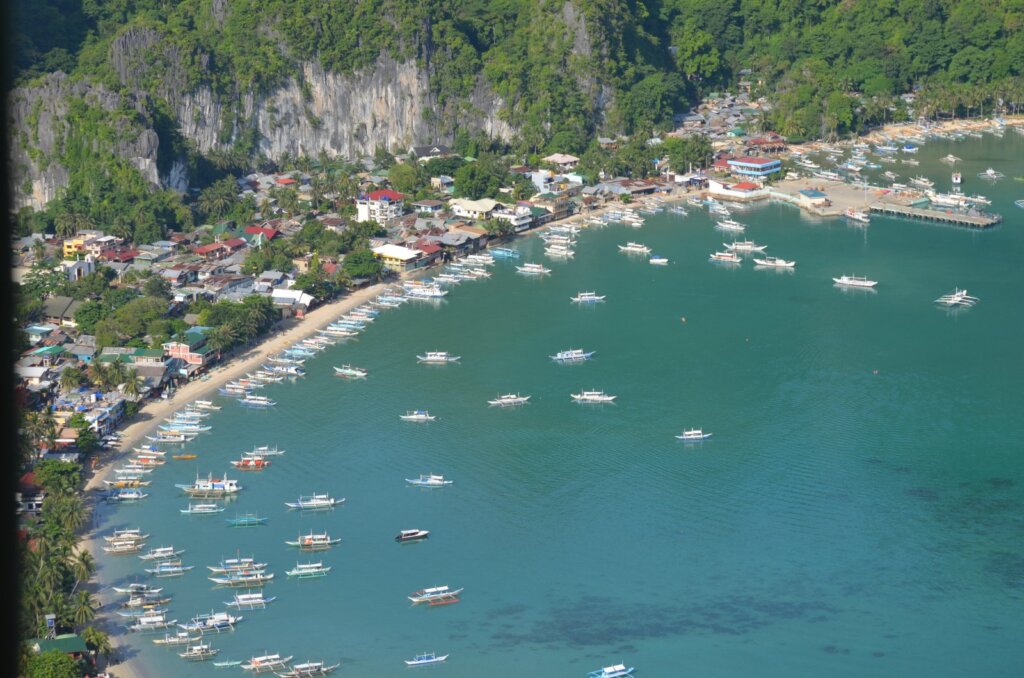
El Nido sits at the northern tip of mainland Palawan, roughly five to six hours by van from Puerto Princesa, where the province’s largest hospitals are located. Mobile signal is patchy on the islands, power interruptions are common, and many boat tours travel well beyond cell range. That combination means the response you would expect in a major city simply is not available here. Preparing a short list of contacts before you arrive is not paranoia — it is the single most useful thing you can do for a smooth trip.
The good news: El Nido is generally a safe, welcoming destination. For a fuller picture of everyday risks and precautions, read our companion guide on whether El Nido is safe for tourists. This article assumes you have read that and now want the “break glass in case of emergency” details.
The Essential El Nido Emergency Numbers
Below are the nationally recognized Philippine hotlines that work anywhere in the country, including El Nido. Local landline numbers for the El Nido police station, municipal hall, and tourism office change from time to time, so confirm them at your hotel front desk on arrival and add them to your phone.
| Service | Number | When to use | Notes |
|---|---|---|---|
| National Emergency Hotline | 911 | Any life-threatening emergency | Works nationwide; routes to police, fire, medical |
| Philippine Red Cross | 143 | Ambulance, first aid, disaster help | Also 8790-2300 from a mobile |
| DOT Tourist Assistance | 151-TOURIST | Non-medical traveler problems | Department of Tourism 24/7 hotline |
| Philippine Coast Guard | (02) 8527-8481 | Boat, sea, and island incidents | Confirm the El Nido station VHF channel locally |
| El Nido Police / Tourism Office | Ask front desk | Local reports and lost items | Numbers posted at the municipal tourism office |
Write these down on paper too. A dead phone battery is the most common reason travelers cannot reach help, and El Nido’s frequent brownouts make charging unreliable — see our guide to electricity, SIM cards, and staying connected for how to keep a power bank topped up.
Medical Emergencies in El Nido
Minor issues: clinics and pharmacies
For cuts, mild infections, stomach upsets, and jellyfish stings, El Nido town has small clinics and pharmacies that can treat you or dispense basic medication. For first-aid training and ambulance support, the Philippine Red Cross is the national reference. Our detailed El Nido first-aid and pharmacy guide lists what these facilities can and cannot handle. Bring your own well-stocked kit; supplies run out quickly during peak season.
Serious cases: evacuation to Puerto Princesa
El Nido does not have a large hospital with advanced trauma or surgical capacity. Anything serious — a major fracture, appendicitis, a diving injury, or chest pain — usually means transfer to Puerto Princesa or, in the most critical cases, an air ambulance to Manila. This is slow and expensive, which is exactly why comprehensive travel insurance that covers medical evacuation is non-negotiable for El Nido. Read the full picture in our El Nido hospital and medical guide before you travel.
Water and Boat-Tour Emergencies
The majority of El Nido’s activities happen on the water, so most serious incidents involve boats, currents, or snorkeling accidents. If you witness someone in distress at sea, alert your boat crew immediately — they carry VHF radios and know how to reach the Coast Guard station, which is faster than a phone call from a signal-poor lagoon. Always confirm your tour operator has life jackets for every passenger and a first-aid kit on board before departing. If they do not, choose another operator.
The Philippine Coast Guard oversees maritime safety nationwide; you can review their public guidance at the Philippine Coast Guard website. During rough weather the Coast Guard may suspend boat tours entirely — do not pressure a captain to sail against a red flag.
Police, Tourist Assistance, and Reporting Theft
Petty theft is uncommon but not unheard of, particularly on crowded beaches and in shared dorms. If something is stolen, file a report at the El Nido police station; you will need this document for any insurance claim. For scams rather than outright theft — inflated tour prices, fake “marine fee” collectors — our guide to common El Nido travel scams explains how to recognize and avoid them. For lost passports, contact your embassy in Manila as soon as possible; the Department of Tourism hotline can help coordinate.
Natural Hazards: Typhoons, Flooding, and Power Cuts
Palawan is less typhoon-prone than the eastern Philippines but is not immune, especially from July to November. Monitor official forecasts from the Philippine weather agency, PAGASA, and follow your accommodation’s instructions during storm warnings. Heavy rain can flood low-lying parts of town and knock out power for hours. Keep your devices charged ahead of forecast storms and keep cash on hand, since ATMs and card machines fail during outages.
How to Call for Help When You Have No Signal
Prepare your phone before island trips
Download an offline map of the El Nido area, save your hotel’s pin, and store emergency numbers as phone contacts and on a written card. In the Philippines you can dial 911 even without load or an active SIM, as long as you have signal. On island tours where there is no signal at all, your boat crew’s VHF radio is your lifeline — which is another reason to travel only with reputable operators.
Share your itinerary
Tell someone at your accommodation which tour you are taking and when you expect to return. If you are a solo traveler, this simple habit means someone will notice if you do not come back.
Before You Go: A 5-Minute Safety Setup
Do these five things the night before your first island tour: save the numbers in the table above; take a screenshot and a paper copy; buy or confirm travel insurance with medical evacuation; fully charge your phone and a power bank; and ask your hotel for the current local police and tourism-office numbers. Five minutes now can save hours of confusion later.
What Counts as an Emergency vs. a Front-Desk Problem
Not every problem needs a hotline. Knowing the difference keeps the real emergency lines free and gets you help faster. A genuine emergency is anything involving breathing, heavy bleeding, loss of consciousness, a suspected fracture, a diving injury, someone missing at sea, or a fire — call 911 or alert your boat crew at once. A front-desk problem is a lost booking, a broken air-conditioner, a minor scrape, or a taxi dispute; your accommodation or the tourism office can resolve these without emergency services. When in doubt about a medical symptom, err toward calling — El Nido’s distance from advanced care means small windows matter.
Building a Simple El Nido First-Aid Kit
Because clinics are small and pharmacies sell out during peak months, a compact personal kit turns most minor incidents into non-events. Pack the following before you fly:
- Antiseptic wipes, waterproof plasters, and a roll of gauze for reef cuts, which are extremely common
- Broad-spectrum antihistamine tablets and hydrocortisone cream for jellyfish stings and insect bites
- Oral rehydration salts and anti-diarrheal medication for stomach upsets
- Any prescription medicines in their original packaging, plus a photo of the prescription
- Reef-safe sunscreen and after-sun gel — see our reef-safe sunscreen guide for compliant brands
Store the kit in a dry bag so it survives a wet boat ride. Restocking niche items locally is difficult, so bring more than you think you need.
Emergency Costs and How to Pay
Clinics, ambulances, and boat rescues in remote Palawan typically expect payment in cash, and card terminals fail during the frequent brownouts. Keep an emergency reserve of pesos separate from your daily spending money, and know where the reliable ATMs are before you need them — our El Nido ATM and cash guide maps them out. For anything requiring evacuation to Puerto Princesa or Manila, the bills climb into the tens of thousands of pesos, which is precisely what a good travel-insurance policy exists to cover. Photograph every receipt; insurers require them for reimbursement.
Extra Steps for Solo and Family Travelers
Solo travelers should share a live location with a trusted contact back home and check in each evening; if you go quiet, someone will raise the alarm. Families should agree on a simple meeting point in town in case anyone gets separated on a busy beach, teach children to memorize the hotel name, and keep a recent photo of each child on your phone. Travelers with chronic conditions should carry a short medical summary and a list of allergies in English, since local responders may not read your home language. These small habits cost nothing and make a genuine difference when minutes count in a remote destination like El Nido.
Frequently Asked Questions
Does 911 work in El Nido?
Yes. 911 is the Philippines’ national emergency hotline and works anywhere with mobile signal, including El Nido town. On islands with no signal, rely on your boat crew’s VHF radio instead.
Is there a hospital in El Nido?
El Nido has clinics for minor issues but no large hospital. Serious cases are transferred to Puerto Princesa, five to six hours away, so medical-evacuation insurance is essential.
What is the tourist hotline in the Philippines?
The Department of Tourism operates 151-TOURIST, a 24/7 assistance line for non-medical traveler problems such as complaints, lost belongings, and coordination help.
Should I get travel insurance for El Nido?
Absolutely. Because advanced care requires evacuation off the island, a policy covering medical evacuation and repatriation is the most important item on your checklist.
Where can I find the local El Nido police number?
Local numbers are posted at the municipal tourism office and are available at any hotel front desk. Confirm them on arrival, as they change periodically.