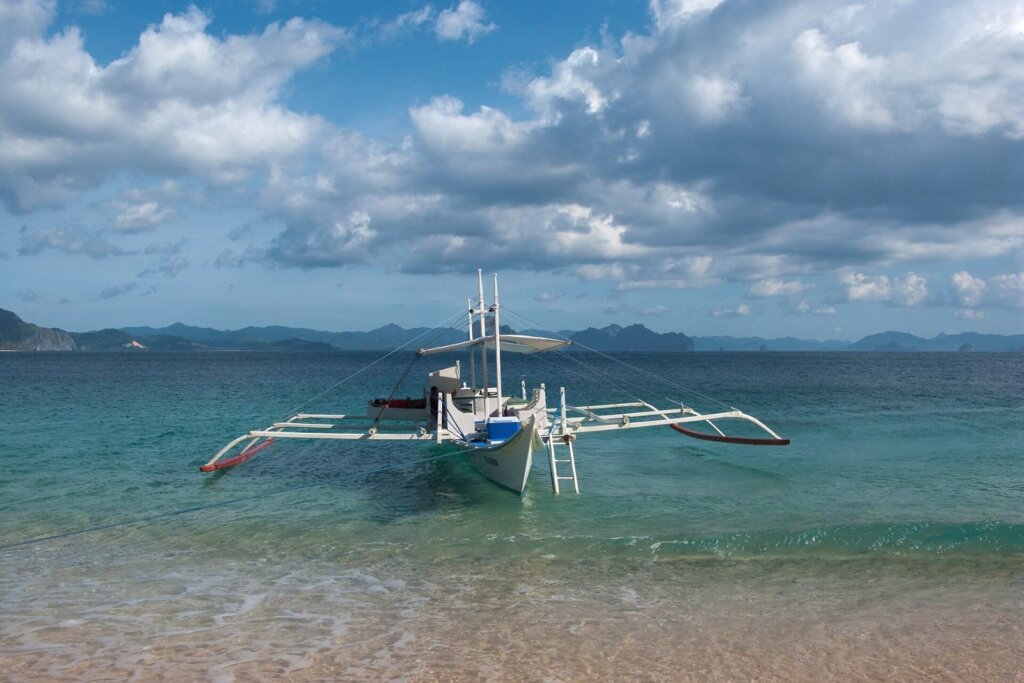

Boat tours in El Nido are long, sunny and physically active, yet the lunch stop is only one part of the food story. This guide focuses on snacks and hydration specifically for travelers booking a full-day shared island-hopping tour who want to stay energised without carrying too much. We cover how much water to bring, which snacks survive heat and salt spray, what to avoid, and how to plan a simple routine that keeps your energy steady from the first lagoon to the last sandbar.
Why a Snack Plan Matters on Boat Days
A typical tour leaves in the morning, makes several swim and snorkel stops and returns in the late afternoon. Between the hours in the water, the sun and the swell, your body burns more energy and loses more fluid than you might expect. Lunch on the beach is usually provided, but the gap between breakfast and lunch can be long, and the afternoon stretch afterwards is when many travelers feel tired or lightheaded.
A modest snack plan fixes this. It keeps blood sugar steady, helps you enjoy the afternoon snorkelling instead of fading, and reduces the chance of seasickness, which often feels worse on an empty stomach. For what operators typically provide, read our guide to what is included in the boat lunch, then fill the gaps with your own supplies.
Think of food and water as part of your tour equipment, no less important than a mask or sunscreen. Travelers who plan their intake usually report that they enjoy the last stops of the day as much as the first, while those who skip it often spend the afternoon wishing they were back on shore. The extra effort is tiny: a few minutes at the market the evening before and a few items in your bag.
It also helps to remember that boat days are social. Offering a handful of nuts or a piece of fruit to the people sharing your boat is a friendly gesture, and the crew often appreciates a small share too. Just keep an eye on allergies and avoid handing out anything unwrapped.
How Much Water to Carry
Heat, humidity and salt water make dehydration easy to miss. A sensible target for a full day is at least two litres per person, more if you are prone to sweating or plan to climb viewpoints. Many boats provide some drinking water, but quantities vary, so carry your own in a refillable bottle. Sip regularly rather than waiting until you are thirsty, and drink a glass of water before you board.
Remember that swimming can mask thirst because you feel cool, even though you are still losing fluid. Salty snacks and an occasional electrolyte drink can help replace what you lose. For general guidance on staying healthy in hot climates, see the CDC Travelers’ Health pages, which cover heat illness and hydration for visitors in the tropics.
A practical trick is to freeze half a bottle of water overnight and top it up in the morning. It stays cool for hours in an insulated bag, and the melting ice gives you a cold drink at the lunch stop. Avoid sugary soft drinks as your main fluid, since they can leave you thirstier, and limit alcohol until the tour is finished, because heat, sun and swell combine badly with it. Check the colour of your urine in the evening: pale yellow suggests you drank enough, while dark yellow means you should increase intake the next day.
Snacks That Survive Heat and Salt Spray
Best Choices
Look for foods that do not melt, spoil or crush easily: dry roasted nuts, local cashews, dried mango, banana chips, crackers, plain biscuits, rice cakes and cereal bars without chocolate coating. Whole fruits with skins, such as bananas, oranges and mandarins, are easy to peel and refreshing. Small packs of peanuts or trail mix give protein and salt.
Items to Avoid
Chocolate melts in minutes, cream-filled pastries spoil quickly and strongly scented foods attract flies and seabirds. Avoid anything messy or sticky that will coat your fingers and then your snorkel mask. Skip heavy fried items that sit uncomfortably in a rocking boat, and leave raw or lightly cooked dishes behind, since food safety is harder when you cannot refrigerate.
Packing Methods
Use a small zip bag or lidded container inside a dry bag so salt water does not soak your food. Our waterproof gear and dry bags guide explains how to keep supplies dry. Carry a small bag for rubbish and bring it back with you; leaving waste on islands harms the protected seascape.
When shopping, the town market and local shops have good options at friendly prices. Dried fruit and nuts are widely sold as pasalubong, so you can buy the same items for your tour and for gifts. Buy small packs rather than large bags, so you can open one at a time and keep the rest sealed and dry. If you rely on a particular brand of energy bar or electrolyte tablet, bring a few from home since specialist items can be limited.
Sample Boat-Day Schedule
| Time of day | What to eat or drink | Why |
|---|---|---|
| Before boarding | Light breakfast, a glass of water | Starts the day hydrated without a heavy stomach |
| First stop (mid-morning) | Fruit and a few sips of water | Quick energy before snorkelling |
| Lunch stop | Provided meal, plus extra water | Main refuelling point |
| Early afternoon | Salty snack, electrolyte drink | Replaces sodium lost to sweat and sun |
| Late afternoon | Nuts or crackers | Prevents the energy dip before the return |
| After landing | Water and a proper dinner | Recovery and rehydration |
Adjust the plan to your own habits, and do not force food if you feel queasy on the boat.
Seasickness, Sun and Your Stomach
If you are prone to motion sickness, eat light and early, avoid greasy foods and keep crackers or ginger sweets nearby. Fresh air, a seat near the middle of the boat and a steady horizon can help, and some travelers use medication recommended by a pharmacist before travel. Sun exposure and dehydration also contribute to nausea, so cover up and drink water. Our sunburn and UV month-by-month guide shows when the strongest rays arrive and how to protect yourself.
If you feel dizzy, headachy or unusually tired, move into shade, drink slowly and tell the crew. Heat illness can progress quickly, so take it seriously.
Pay attention to timing as well. Eating a large meal immediately before a snorkel stop can lead to cramps and nausea, so wait a while after lunch before getting back in the water, and enter gently rather than diving in. Take it slow on the first swim of the day, especially if you are not used to the sun, and rest in the shade whenever you feel your energy dropping. Small adjustments like these make the day more comfortable for everyone on board.
Eco-Friendly Choices on Protected Waters
The bay is a protected area, and rules around waste and single-use plastic are taken seriously. Bring a refillable bottle, wrap snacks in reusable containers and avoid individually wrapped items that blow away easily. Never feed fish or birds, because it disrupts natural behavior and can attract aggressive animals. The Department of Environment and Natural Resources and local authorities publish rules for protected areas, and following them keeps the lagoons beautiful for later visitors. Choose operators that clearly handle waste and provide drinking water in bulk rather than in many small bottles.
Many operators now charge a small environmental fee and expect guests to cooperate with simple waste rules, such as keeping all rubbish in the boat bin. You can help by decanting snacks into reusable containers at your accommodation, so there is no packaging to manage on the water. If you spot floating rubbish during the tour, ask the crew whether they can collect it; most are happy to help, and it sets a good example for fellow guests. Small habits like these protect the reefs that make the trip special in the first place.
Special Diets, Kids and Groups
Operators can often adjust lunch for vegetarian, halal or allergy needs if you tell them when you book, so mention requirements early and confirm on the morning of the tour. For children, pack familiar snacks, extra fluids and a change of dry clothes, and bring small treats to keep them cheerful through long boat rides. Groups can share a larger supply, but individual portions in small bags avoid arguments and keep everyone’s hands clean. Review our boat safety guide before you go, and check the PAGASA forecast so you know whether choppy water might call for lighter eating.
One last tip: write down any allergy or dietary requirement in simple words and show it to the crew, since language differences can cause misunderstandings. A short, clear note prevents mistakes and gives you peace of mind to enjoy the swim.
Frequently Asked Questions
How much water should I bring on an island-hopping tour?
At least two litres per person for a full day is a sensible baseline, with more if you are sweating heavily or climbing viewpoints.
Can I bring my own food on the boat?
Usually yes, but check with your operator. Choose compact, non-messy snacks and carry out all your rubbish.
What snacks are best for hot weather?
Nuts, dried fruit, crackers, banana chips and whole fruits with skins travel well and do not melt or spoil easily.
Is it safe to eat raw fish at the lunch stop?
Choose freshly prepared food from reputable operators, and if you have a sensitive stomach or health concerns, stick to fully cooked dishes.
What if I feel seasick?
Eat light, sit near the middle of the boat, look at the horizon and sip water. Tell the crew if you feel unwell.