TL;DR: Obon (around August 13–16) falls in El Nido’s wet southwest-monsoon season, so expect showers and some tour cancellations — but also lower hotel prices and fewer crowds. It works if you build in buffer days, book flexible tours and treat Tour A as weather-dependent; travelers who want guaranteed calm seas should choose New Year or Golden Week instead.
For many people working in Japan, Obon week in mid-August is one of only three long breaks a year, alongside New Year and Golden Week. Flights out of Tokyo and Osaka are expensive, and beach destinations closer to home such as Okinawa are packed and exposed to peak typhoon season. That is why El Nido increasingly appears on Obon shortlists. This guide focuses on El Nido specifically for Japan-based travelers planning a trip during the Obon holiday, with honest advice on weather, costs and how to plan around the rainy season.
Our angle is the trade-off nobody else spells out: Obon is the most expensive time to leave Japan but one of the cheapest times to be in El Nido. Below we show how to use that, and where it can go wrong. For general August information, see our El Nido August guide; for flight routing, see Tokyo to El Nido.
Obon 2027 Dates and How They Affect Your Trip
Obon is traditionally observed from about August 13 to 16, and many companies close for several days around it. In 2027 these dates fall from Friday to Monday. Mountain Day (August 11) is a national holiday, so a common plan is to take August 11–16 off for a six-day break. Outbound flights from Japan are busiest around August 10–13 and return flights around August 15–17.
| Strategy | Example dates | Pros | Cons |
|---|---|---|---|
| Classic Obon week | Aug 11–16 | Uses holidays efficiently | Highest airfares out of Japan |
| Early departure | Aug 7–14 | Cheaper outbound, quieter airports | Requires extra leave days |
| Late return | Aug 13–20 | Cheaper return after the rush | Returns into a normal work week |
| Shift to September (Silver Week) | Mid–late Sept | Lower fares, similar El Nido prices | Still monsoon season; not a guaranteed long break |
| Swap to Golden Week | Late Apr–early May | Dry season, calm seas | El Nido is busy and pricier |
August Weather in El Nido: What to Really Expect
August sits in the middle of the southwest monsoon (habagat), which runs roughly June to October in northern Palawan. That does not mean all-day rain every day. A typical pattern is a mix of sunny spells, cloudy periods and heavy showers, often in the afternoon or overnight, with some days of steady rain when the monsoon strengthens. Air temperatures stay around 25–31°C and the sea remains warm, near 28–29°C.
The bigger factor is wind and swell. When typhoons pass to the north — often towards Taiwan, Okinawa or mainland Japan — they can pull the monsoon over Palawan, bringing several days of rough seas even without a direct hit. Follow the forecasts from PAGASA and track storms with the Japan Meteorological Agency. Our typhoon season guide explains the patterns in more detail.
Ironically, El Nido is often a safer August bet than Okinawa, which sits directly on many typhoon tracks. If you are torn, compare the two in El Nido vs Okinawa.
Island-Hopping Tours During Obon
Boat tours run on most August days, but the Philippine Coast Guard can suspend all trips or specific routes when wind and waves rise. Tours A and C, which head into the more exposed western side of Bacuit Bay, are more likely to be adjusted, while sheltered spots and inland activities usually continue. Learn how to read the daily notices in how to check El Nido boat tour advisories.
- Book tours for your first full day, not your last, so a cancellation can be rescheduled.
- Choose operators with clear refund policies. Our guide to cancelled tours and refunds explains what to expect.
- Consider a private boat for flexibility; captains can adjust routes to sheltered lagoons on the day.
- Pack a dry bag and a light rain jacket; showers at sea are common but usually brief.
Even when the bay is rough, you can still kayak in calmer coves, hike Taraw Cliff on a dry morning, visit waterfalls that are at their fullest in the wet season, or book a spa afternoon.
Costs: Expensive Flights, Cheaper Stays
Flights out of Japan during Obon are among the most expensive of the year, often costing far more than the same route a week later. Book international flights as early as possible — ideally when fares open — and consider departing on August 10 or earlier.
On the ground, August is low season in El Nido. Many hotels discount rooms significantly compared with the December–April peak, and walk-in rates or last-minute deals are common outside the Philippine school calendar. Restaurants and tours rarely raise prices for Obon, since it is not a local holiday. The overall result: your flight may cost more than usual, but a mid-range hotel and daily spending can be noticeably cheaper than at Golden Week. Compare stay options in our mid-range hotel guide.
Where to Stay During Obon
In the wet season, location matters more than usual. Staying in El Nido town or Corong-Corong keeps you close to tour departure points, restaurants and cafés, so a rainy afternoon is easy to fill. Resorts in Lio offer a calmer base with walkable restaurants and a long beach, and are close to the airport if your return flight changes. Remote properties on the northern beaches are beautiful but involve longer, bumpier transfers on wet roads, so they suit travelers who plan to stay put. Whatever you choose, pick a refundable rate where possible: low-season pricing means the cost of flexibility is small, and it protects you if a storm forces you to change dates.
A Weather-Proof 5-Day Obon Itinerary
This plan assumes you arrive via Manila and Lio Airport, and keeps flexible days in the middle.
- Day 1 (Aug 11): Fly from Tokyo or Osaka to Manila, connect to El Nido. Sunset drink at Corong-Corong if the sky clears.
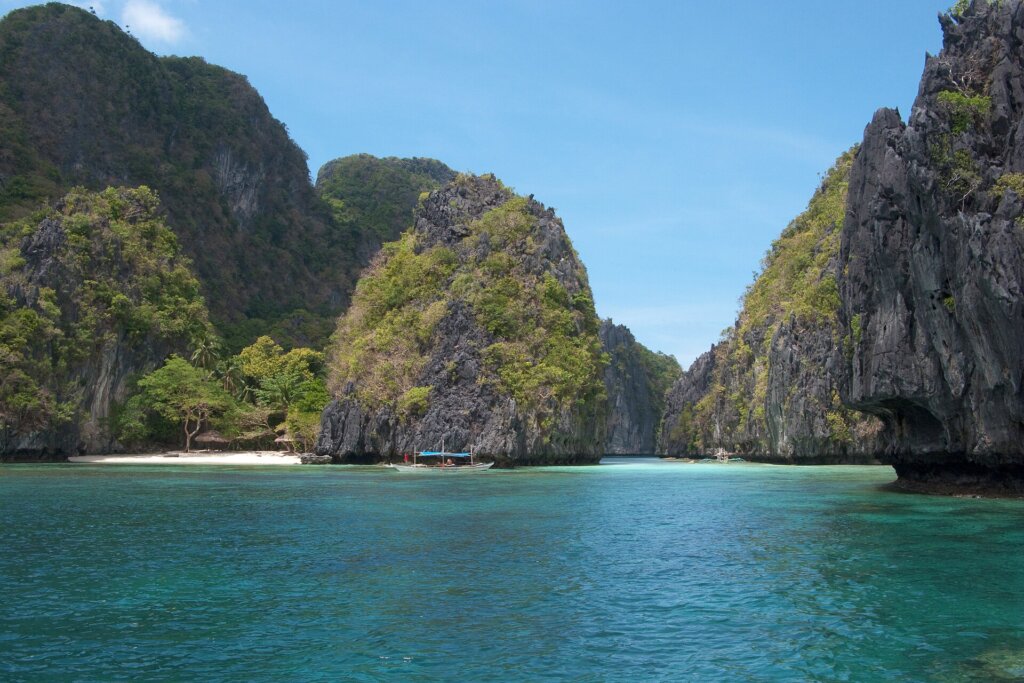
- Day 2: Island-hopping Tour A (Big Lagoon, Secret Lagoon, Seven Commandos) if the Coast Guard allows; otherwise swap with Day 3.
- Day 3: Flexible day — Nacpan Beach, a waterfall trip or a spa if seas are rough.
- Day 4: Second boat day (Tour C or a private route) or a rescheduled Tour A.
- Day 5 (Aug 15): Morning kayak or café, then fly to Manila. Overnight near the airport if your Japan flight leaves early on August 16.
If your flights are on separate tickets, keep a buffer in Manila on the way home; monsoon-season disruptions to the Lio–Manila route do happen. See what to do if your El Nido flight is cancelled.
Practical Tips for Japan-Based Travelers
Japanese passport holders can generally visit the Philippines visa-free for short tourist stays. Everyone must register on the free eTravel site within 72 hours of departure; ignore paid copycat sites. Check Japan’s Overseas Safety website for current notices and register on Tabireg if you use it.
Bring travel insurance that covers weather-related delays. Mosquitoes are more active in the rainy season, so pack repellent. A small amount of pesos for tricycles is useful on arrival, and cards work in most hotels. Food lovers missing home can find Japanese restaurants in town — see our Japanese food in El Nido roundup.
Finally, set expectations: Obon in El Nido is about green landscapes, quieter beaches, dramatic skies and good value, not guaranteed postcard-blue water every day. Travelers who accept that usually come home happy. If your schedule allows a different long break, compare our Golden Week guide for dry-season conditions, or explore Korean travelers’ equivalent in Chuseok in El Nido.
Key Takeaways
- Obon (about August 13–16; Friday–Monday in 2027) falls in El Nido’s southwest-monsoon season, with showers and some rough-sea days.
- Typhoons passing north can enhance the monsoon over Palawan, but El Nido is usually off the main typhoon tracks that hit Okinawa and Japan.
- Book Japan departures early or shift dates by a few days; flights are the expensive part, hotels in El Nido are in low season.
- Schedule boat tours early in the trip and keep a flexible day so cancellations can be rescheduled.
- Keep a Manila buffer on the way home if you are on separate tickets.
Frequently Asked Questions
Is Obon a good time to visit El Nido?
It can be, if you are flexible. August is rainy season in El Nido, so expect showers and occasional tour cancellations, but hotels are cheaper and beaches are quieter. Travelers who need guaranteed calm seas should choose New Year or Golden Week.
Will island-hopping tours run in August?
Tours run on most days, but the Coast Guard can suspend trips when seas are rough, especially on more exposed routes. Book early in your stay and choose operators with clear rebooking or refund policies.
Are typhoons a problem in El Nido during Obon?
Northern Palawan is usually south of the main typhoon tracks, which more often affect Taiwan, Okinawa and Japan. However, distant typhoons can strengthen the monsoon and bring several rough days, and flights may be disrupted.
How expensive is El Nido during Obon?
Flights from Japan are at peak prices, but August is low season in El Nido, so hotels and packages are often discounted compared with the December–April high season.
What are the Obon dates in 2027?
Obon is traditionally observed around August 13–16, which falls from Friday to Monday in 2027. Mountain Day on August 11 is also a public holiday in Japan, making a six-day break possible.
About the Author
This guide was compiled by the El Nido Hotels Ranking editorial team, with input from local operators and ongoing on-the-ground updates.