Craving ramen after a week of grilled fish and rice? This guide focuses on Japanese food in El Nido specifically for travelers who miss sushi, ramen, donburi, and bento flavors and want realistic expectations about what a small Palawan town can deliver. You will not find a full Tokyo-style dining scene here, but you will find enough good options, plus smart substitutes, to satisfy the craving.
- What to Expect from Japanese Food in El Nido
- The Main Japanese-Style Dishes You Can Find
- Raw Fish and Food Safety
- Smart Substitutes When Real Japanese Food Is Unavailable
- Dietary Needs: Vegetarian, Gluten-Free, and Allergies
- Tips for Ordering and Budgeting
- A Three-Day Japanese-Inspired Eating Plan
- How Travelers Can Adapt Familiar Recipes
- Common Mistakes to Avoid
- Making the Most of Your Food Trip
- Frequently Asked Questions
What to Expect from Japanese Food in El Nido
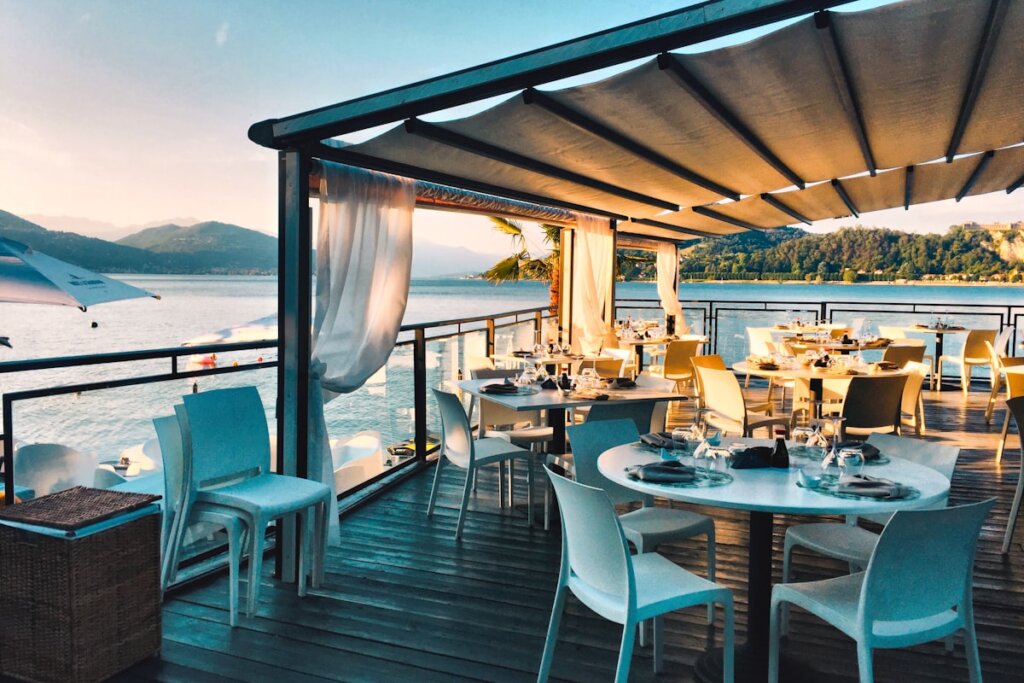
El Nido is a remote fishing town turned tourist hub, and its restaurant scene leans on Filipino classics, grilled seafood, pizza, and a handful of international kitchens. Japanese food appears in three main forms: dedicated small restaurants offering rice bowls and noodles, general restaurants with a few sushi rolls or ramen-style soups on the menu, and resort kitchens that host occasional Japanese-themed dinners.
Menus and openings change often, so verify before you walk across town. For a bigger picture of Asian dining in town, see our overview of Korean, Japanese, and Thai food in El Nido, and for general recommendations browse the best restaurants guide.
The Main Japanese-Style Dishes You Can Find
| Dish | How It Usually Appears | What to Know |
|---|---|---|
| Sushi rolls (maki) | Cooked or vegetable fillings on mixed menus | Fresh fish is local, but ask how raw items are handled |
| Sashimi | Occasional special when the catch is good | Quality depends entirely on the day’s catch |
| Ramen-style noodle soup | Noodles with broth, egg, and pork or chicken | Often simplified; flavors lean toward local taste |
| Donburi (rice bowls) | Teriyaki chicken, pork cutlet, or tuna over rice | Filling and good value after a tour day |
| Gyoza and tempura | Side dishes or appetizers | Easy to share; check for allergens |
Raw Fish and Food Safety
Raw fish is the biggest question mark. The seas around El Nido are full of tuna, mackerel, and other fish, and Filipinos eat raw fish regularly in the dish called kinilaw, a vinegar-cured preparation similar to ceviche. That said, refrigeration, handling, and ice quality matter more than the species. Choose busy restaurants with high turnover, ask when the fish arrived, and avoid raw items if you have a weak stomach, are pregnant, or have a medical condition.
The World Health Organization publishes useful food safety guidance, and our notes on tap water and ice safety explain what to check when drinks include ice. If you do get sick, our hospital and medical guide lists where to go.
Smart Substitutes When Real Japanese Food Is Unavailable
When a true Japanese meal is out of reach, look for dishes that scratch the same itch.
- Kinilaw. Fresh fish cured in vinegar, calamansi, ginger, and chili. It is the Philippine cousin of sashimi and ceviche.
- Grilled tuna belly or tuna steak. Order it with rice and a soy-based dipping sauce for a donburi-like meal.
- Sinigang and nilaga soups. Warm, brothy comfort food that fills the ramen-shaped hole.
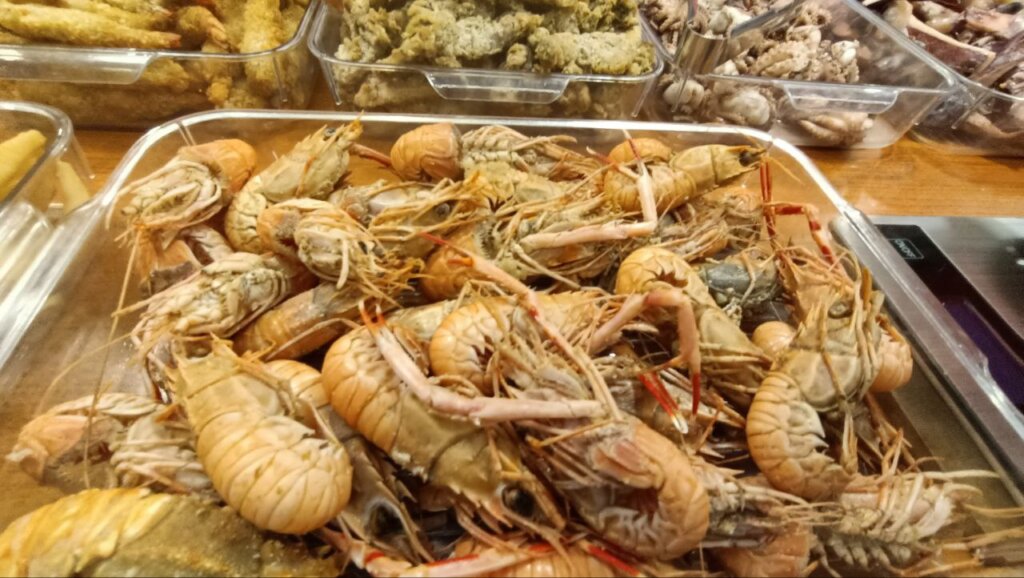
- Seafood paluto. Choose fish at the market and have it grilled or steamed; add soy sauce and calamansi for a Japanese-leaning flavor.
- Stir-fried noodles (pancit). Not ramen, but a satisfying noodle dish at a low price.
For market-style dining, read about paluto and cooked-to-order seafood, which often delivers the freshest fish in town.
Dietary Needs: Vegetarian, Gluten-Free, and Allergies
Japanese cuisine relies heavily on soy sauce, which contains wheat, so gluten-free travelers should ask carefully. Tamari or plain grilled fish with rice is safer. Shellfish and fish allergens are widespread in seafood-heavy kitchens, and cross-contamination in small kitchens is common. Vegetarians can typically find vegetable rolls, tofu dishes, and rice bowls, but broth for noodles is often made with meat or fish stock. Our gluten-free restaurants guide offers more suggestions and questions to ask the kitchen.
Tips for Ordering and Budgeting
Prices for imported-style cuisine tend to run higher than local meals, mainly because of ingredient costs. Expect a bowl of noodles or a rice dish to cost more than a typical grilled-fish lunch, and a sushi platter to cost noticeably more. A few habits will help you eat well without overspending.
- Go at off-peak hours, because busy kitchens in peak season run out of popular items.
- Ask what is freshest that day rather than ordering from the menu automatically.
- Share plates, since portion sizes vary and sharing lets you try more dishes.
- Bring a small bottle of soy sauce or chili oil if you have specific tastes; the sari-sari store guide lists what neighborhood shops carry.
- Carry cash, as many small kitchens do not accept cards.
A Three-Day Japanese-Inspired Eating Plan
If you want to weave Japanese flavors into a longer stay without overdoing it, spread them across your trip and balance them with local meals. This example keeps variety high and costs reasonable.
Day 1 – Arrival comfort meal. After a long journey, choose a simple rice bowl or noodle soup. Warm, familiar food settles the stomach and avoids the risk of raw dishes on a tired digestive system. Pair it with plenty of water.
Day 2 – Local seafood at lunch, sushi rolls at dinner. Enjoy the grilled lunch served on your island-hopping tour, then treat yourself to cooked or vegetable maki in the evening. Because you already had fresh seafood during the day, you can skip raw fish at night without feeling you missed out.
Day 3 – Market seafood and kinilaw. Visit the seafood market, pick a fish for grilling, and order kinilaw as a starter. This is the most authentic local alternative to sashimi and often the best value of the trip.
How Travelers Can Adapt Familiar Recipes
If you are staying in an apartment or villa with a kitchen, you can cook your own simple Japanese-style meals. Buy rice, eggs, vegetables, and fresh fish from the market, and add soy sauce, ginger, and garlic from local shops. A basic teriyaki-style glaze needs only soy sauce, sugar, and a splash of vinegar or calamansi juice. Grill or pan-fry the fish, serve it over rice, and add sliced cucumber or cabbage for crunch. Self-catering saves money and gives you control over ingredients, which is especially helpful for gluten-free, vegetarian, or allergy-sensitive diets.
Keep food safety in mind when cooking. Refrigerate fish immediately, cook it thoroughly, and avoid leaving leftovers out in the heat. Power cuts can happen in remote areas, so do not rely on a fridge for long storage and buy only what you will eat the same day.
Common Mistakes to Avoid
- Expecting authentic quality at every stall. Many places offer Japanese-style dishes adapted to local tastes. Judge them as their own category.
- Ordering raw fish late in the day at a quiet restaurant. Slow turnover increases the risk that fish has been sitting for hours.
- Skipping the question about broth. Noodle soups can include pork stock, shrimp paste, or other ingredients that matter for allergies and dietary rules.
- Forgetting the heat. A heavy meal before a boat tour can make you feel sluggish, so plan lighter food before activities and bigger meals afterward.
- Not carrying cash. Small kitchens often cannot process cards, and ATMs in town can run out of cash on busy weekends.
With a bit of flexibility and a willingness to try local alternatives, you can eat well in El Nido no matter what cuisine you crave. The combination of fresh fish, fragrant rice, and bright citrus is already close to the heart of Japanese cooking, and local cooks are happy to prepare it simply when you ask.
Making the Most of Your Food Trip
Treat El Nido’s Japanese food as a pleasant extra, not the main event. The real culinary highlight of the area is the seafood, the tropical fruit, and the comfort dishes that Filipino cooks prepare with pride. If you approach a sushi roll or ramen bowl with relaxed expectations, you will probably enjoy the experience, and you may discover that a plate of grilled tuna with rice and a squeeze of calamansi is better than a mediocre imitation of a dish from far away.
Plan your meals around your tours. Boat trips usually include a simple grilled lunch, so save the Japanese dinner for the evening after you have returned and rested. If you are staying several nights, rotate cuisines to avoid food fatigue and give your stomach a break from spicy or very rich dishes. Drink plenty of water, especially when eating salty soy-based foods in hot weather, and keep a small stash of oral rehydration salts in your bag in case of an upset stomach. Finally, tip kitchen and serving staff when service is good. Even a small amount is appreciated, and it supports the people who make your meals possible in a town where tourism is the main source of income. For official visitor updates and travel advisories, consult the Philippine Department of Tourism.
Frequently Asked Questions
Is there Japanese food in El Nido?
Yes, in limited form. You will find a few small Japanese-style restaurants and general restaurants with sushi rolls, rice bowls, or noodle soups, but not a large Japanese dining scene.
Is it safe to eat sushi or sashimi in El Nido?
It depends on freshness and handling. Choose busy restaurants, ask when the fish arrived, and skip raw items if you are pregnant or have a sensitive stomach.
What is kinilaw?
Kinilaw is a Filipino dish of raw fish cured in vinegar, calamansi, ginger, and chili. It is similar to ceviche and a good local alternative to sashimi.
Can vegetarians eat Japanese food in El Nido?
Usually yes, with vegetable rolls, tofu, and rice bowls, but ask about meat or fish stock in broths and sauces.
Is Japanese food expensive in El Nido?
Generally it costs more than local Filipino meals because of ingredient costs, so expect a higher bill than at a grilled-fish restaurant.
Do restaurants in El Nido accept cards?
Many small kitchens are cash-only, so carry pesos and check in advance if you plan to pay by card.