TL;DR: Pick El Nido if you want dramatic limestone islands, daily boat adventures and lower costs from December to May; pick Mauritius if you want an easy, polished resort holiday with reef lagoons, best from May to December.
El Nido in Palawan and Mauritius in the Indian Ocean both show up on “most beautiful islands” lists, yet they deliver very different trips. This guide focuses on the El Nido vs Mauritius decision specifically for travelers who have one big beach holiday in their budget for 2026 and want to know which destination fits their style, season and spending. Our unique angle: instead of ranking the islands as “better” or “worse”, we compare them by trip type, so you can match the place to the holiday you actually want.
Scenery: Karst Islands vs Reef Lagoons
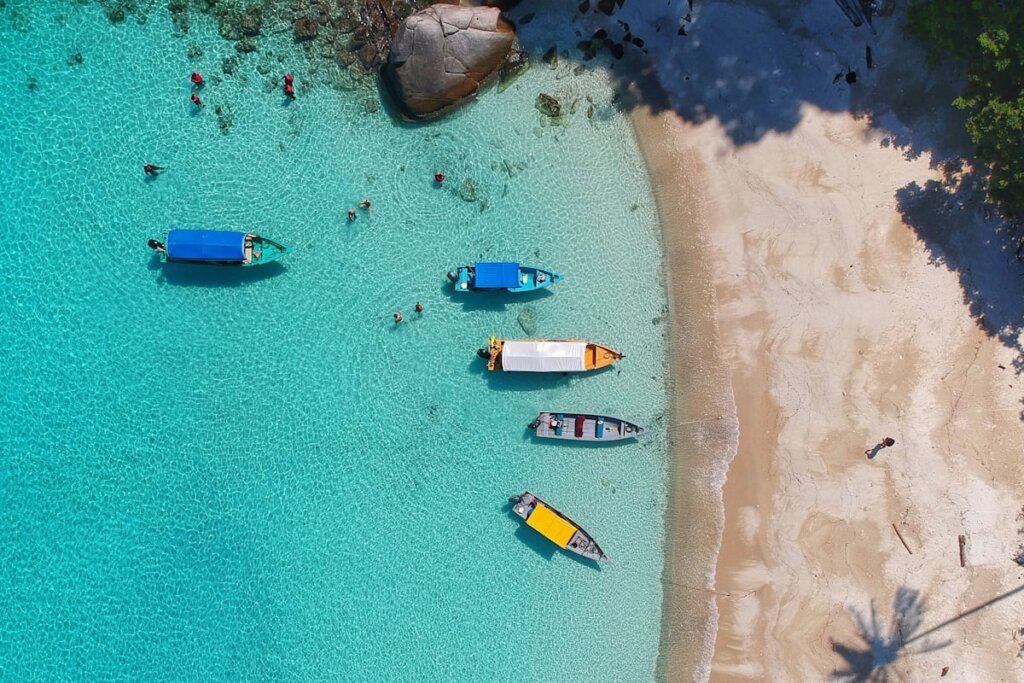
El Nido’s signature is the limestone karst of Bacuit Bay. Dozens of jagged islands rise straight out of turquoise water, hiding lagoons, coves and small white-sand beaches. The views change every few minutes on a boat, and places such as the Big Lagoon and Small Lagoon or Cadlao Island feel almost theatrical. If you have seen the bay’s geology explained, you know why it looks so different from most beach destinations.
Mauritius is a volcanic island almost entirely ringed by a coral reef. That reef creates calm, shallow lagoons in shades of pale blue, backed by long beaches and green mountains. The most famous landmark is Le Morne Brabant, a basalt mountain on the southwest coast listed by UNESCO as a World Heritage Site. Inland you find waterfalls, sugarcane fields and the Black River Gorges National Park.
In short, El Nido wins on drama and variety from the water, while Mauritius wins on soft, swimmable lagoons and inland landscapes you can explore by car.
Side-by-Side Comparison Table
| Factor | El Nido (Palawan) | Mauritius |
|---|---|---|
| Signature scenery | Limestone karst islands, hidden lagoons | Reef-protected lagoons, volcanic peaks |
| Best months | December to May (dry season) | May to December (drier, cooler) |
| Main weather risk | Southwest monsoon rain, June to October | Cyclone risk, mainly January to March |
| Typical stay style | Town guesthouses, boutique hotels, island resorts | Large beach resorts, villas, all-inclusive |
| Daily budget (mid-range) | Lower; boat tours and meals are affordable | Higher; resort dining adds up quickly |
| Getting there | Fly to Manila, then a short domestic flight or a long van ride | Long-haul flight, often via Dubai, Europe or Asian hubs |
| Signature activity | Island hopping tours A to D | Lagoon snorkeling, catamaran days, hiking |
| Pace | Active, outdoor, early starts | Relaxed, resort-centered |
Costs and Budget Differences
Budget is where the two destinations separate most clearly. In El Nido, a shared island hopping tour with lunch is one of the best-value days you can have in Southeast Asia, and mid-range hotels in town or along Corong Corong are reasonably priced. Food ranges from simple Filipino carinderias to international restaurants, so you can control spending day by day. If you are unsure about where to sleep, our breakdown of hotels, hostels and resorts in El Nido shows how each tier affects the total.
Mauritius is built around resorts. Many visitors book half-board or all-inclusive packages because restaurants outside resort areas are spread out and taxis between regions are not cheap. Excursions such as catamaran trips to Île aux Cerfs or dolphin-watching mornings are priced for an international resort market. You can do Mauritius on a moderate budget with self-catering apartments and a rental car, but the baseline is higher than in El Nido.
The exception is luxury. El Nido’s private-island resorts sit in the same price bracket as top Mauritius resorts, so for high-end honeymooners the cost gap narrows.
Weather Windows and Seasons
The seasons in the two destinations are almost mirror images, which is useful if you are flexible on dates.
El Nido’s dry season runs roughly from December to May, with calm seas and the most reliable tour operations from February to April. From June to October the southwest monsoon (habagat) brings more rain and rougher water, and tours can be cancelled when the coast guard suspends sailing. You can follow official forecasts through PAGASA, and our guide to the amihan and habagat seasons explains what each means for island hopping.
Mauritius sits in the Southern Hemisphere. Its winter, roughly May to October, is drier and cooler, with comfortable temperatures for hiking and sightseeing, though the southeast trade winds can make some coasts breezy. Summer, November to April, is hotter and more humid, and cyclones are possible, with the highest risk usually between January and March. The Mauritius Meteorological Services publishes cyclone bulletins during that period.
That means a traveler planning a July or August holiday will usually find Mauritius more dependable, while a traveler with a March or April break will usually find El Nido at its best.
Getting There and Getting Around
For most international travelers, El Nido starts with a flight into Manila. From there you either take a short domestic flight to Lio Airport near El Nido or fly to Puerto Princesa and ride a van north for roughly five to six hours. Our explainer on Palawan airport codes helps you search the right routes, and arriving travelers often plan an overnight in Puerto Princesa to break up the journey. Once in El Nido, tricycles and boats handle almost everything.
Mauritius has one main international airport, Sir Seewoosagur Ramgoolam, served by long-haul and regional flights. From Europe the trip is long, and from Asia many routes connect via Dubai, Singapore or other hubs. On the island, most visitors rent a car or use resort transfers and taxis. Driving is on the left, and distances are short, so a rental car lets you combine the west coast, south coast and the interior easily.
Activities and Experiences
El Nido’s daily rhythm revolves around the water. Island hopping tours visit lagoons, snorkeling reefs and beaches, and you can add kayaking, diving, sunset sailing and hikes such as Taraw Cliff. On land, beaches like Nacpan, Las Cabanas and Duli Beach are easy half-day trips by scooter or van.
Mauritius offers a broader mix of land and sea. Highlights include snorkeling in reef lagoons, catamaran days, kitesurfing near Le Morne, hiking in the Black River Gorges, visiting Chamarel’s colored earth and waterfall, and exploring markets and temples in Port Louis. The island’s Creole, Indian, Chinese and French influences make the food scene varied, and the Mauritius Tourism Promotion Authority lists festivals and events across the year.
If your ideal holiday is a different boat adventure every day, El Nido is the stronger fit. If you prefer resort mornings and occasional excursions, Mauritius is easier.
Who Should Choose Which?
- Adventurous couples and friends: El Nido. The island hopping, lagoons and nightlife deliver more variety for the money.
- Families with small children wanting low effort: Mauritius. Calm lagoons, kids’ clubs and all-inclusive options reduce planning.
- Budget-conscious travelers: El Nido, especially outside peak holiday weeks.
- Travelers with a June to September holiday: Mauritius, because El Nido’s monsoon months make tours less reliable.
- Photographers: El Nido for karst seascapes; Mauritius for mountains, waterfalls and reef color from the air.
Philippine tourism information, including entry rules, is available from the Philippine Department of Tourism, and checking it before booking avoids surprises at immigration.
What a Week Looks Like in Each
A typical seven-night El Nido trip might include three island hopping tours (for example Tours A, C and a private lagoon trip), one beach day at Nacpan, a Taraw Cliff or waterfall morning, and a couple of slow days in Corong Corong for sunsets. You will be outdoors from early morning and back in town by late afternoon, with dinner and drinks in the evening.
A typical week in Mauritius looks different: two or three relaxed resort days, one catamaran excursion, one day touring the south (Le Morne viewpoint, Chamarel and the Black River Gorges), and perhaps a market visit in Port Louis or a dive along the west coast. The pace is slower, and much of the experience happens at your hotel. Neither rhythm is better; it simply depends on whether you want your holiday to be busy and varied or calm and comfortable.
Key Takeaways
- El Nido is about dramatic limestone islands seen by boat; Mauritius is about reef lagoons and a resort lifestyle.
- El Nido is usually cheaper for mid-range travelers, while luxury prices are similar in both.
- Go to El Nido from December to May and to Mauritius from May to December.
- Mauritius is easier for low-effort family holidays; El Nido rewards active travelers.
- Combining both in one trip is rarely worth the long-haul flights.
FAQ
Is El Nido cheaper than Mauritius?
Usually yes. Mid-range rooms, meals and boat tours in El Nido typically cost noticeably less than equivalent options in Mauritius, where the resort market is more upscale. Luxury island resorts in El Nido can still match Mauritius prices.
When is the best time to visit El Nido versus Mauritius?
El Nido is best from roughly December to May during the dry season. Mauritius is most comfortable from May to December, its drier and cooler months, and its cyclone risk is highest from January to March.
Which is better for snorkeling, El Nido or Mauritius?
Both are good. El Nido offers boat-based snorkeling around limestone islands and lagoons, while Mauritius has calm reef-protected lagoons you can often snorkel straight from the beach.
Is El Nido or Mauritius better for a honeymoon?
Mauritius suits couples who want an all-inclusive resort with spa days and little planning. El Nido suits couples who want adventure, island hopping and dramatic scenery at a lower price.
Can I combine El Nido and Mauritius in one trip?
It is possible but rarely practical. The two are separated by long-haul flights, usually via a Gulf or Asian hub, so most travelers choose one destination per trip.
About the Author
This guide was compiled by the El Nido Hotels Ranking editorial team, with input from local operators and ongoing on-the-ground updates.
Featured photo: Vyacheslav Argenberg, via Wikimedia Commons (CC BY 4.0).