When the island boats return and the sky turns orange, the best meals in El Nido often come from smoking grills and humble carts rather than formal restaurants. This listicle focuses on evening street food specifically for budget travellers and curious eaters who want to taste local flavours after a day of island hopping. We list ten snacks and dishes to look for, explain how to order and pay, share simple hygiene rules, and finish with a self-guided food walk through town.
- How Evening Eating Works in El Nido
- 1 to 3: Grilled Favourites
- 4 to 6: Fried and Crunchy Snacks
- 7 to 10: Sweet Treats and Drinks
- Quick Comparison of Popular Choices
- Hygiene and Safety Tips
- Sustainable Eating Choices
- A Self-Guided Evening Food Walk
- Etiquette When Ordering
- Dietary Needs and Alternatives
- Best Times and Seasons for Evening Eating
- Pairing Street Food with Other Evening Plans
- Budget Plan for Two People
- Frequently Asked Questions
How Evening Eating Works in El Nido
As the day cools, small vendors set up near the main road and along the waterfront. Charcoal grills, woks and steaming pots appear, and locals queue for snacks after work. There is no single big night market with a fixed address, so the experience feels informal and changes from week to week. Ask your hotel where the best stalls are currently operating.
Prices are low compared with restaurants, but they can rise during peak holiday weeks. Carry small pesos because vendors rarely have change for large bills. Our ATM and cash guide explains where to withdraw before you go, and GCash payment guide covers e-wallet options in case a stall displays a QR code.
1 to 3: Grilled Favourites
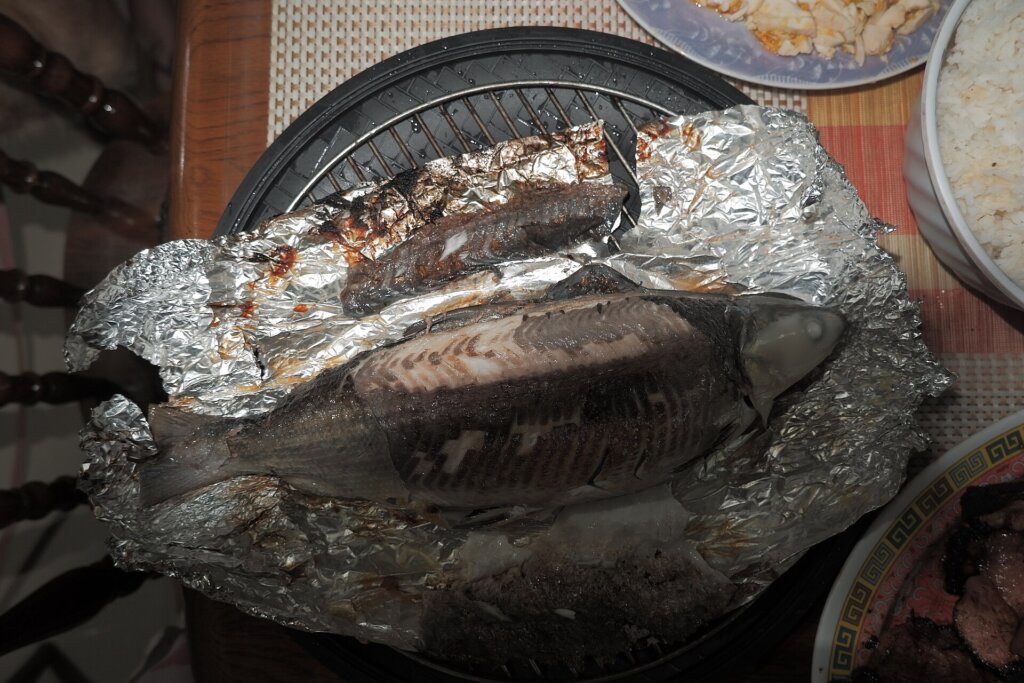
Grilled fish and squid: Fresh catch is cooked over charcoal and served with rice and a tangy dipping sauce of vinegar, chilli and onion. Choose fish with clear eyes and no strong smell. Pork or chicken skewers: Marinated sweet and savoury, these are cheap, filling and best eaten hot from the grill. Grilled corn: A simple, smoky snack, sometimes brushed with butter or sprinkled with salt, perfect for a walk along the beach.
These grilled items are the easiest entry point for newcomers because you can see them cooked in front of you. Pick busy stalls with high turnover, and ask the vendor to cook your order fresh rather than reheating what has been sitting out.
4 to 6: Fried and Crunchy Snacks
Banana cue: Fried bananas coated in caramelised sugar and skewered on a stick, a classic sweet street snack. Fish balls and squid balls: Deep-fried and served with sweet, sour or spicy sauces, though they are not for everyone. Lumpia: Crisp spring rolls filled with vegetables or meat, usually eaten with sweet chilli sauce.
Fried foods are generally safe when cooked in hot, clean oil, which kills most germs. Avoid anything that looks greasy, dark or reused too often. Eat soon after cooking, because the texture suffers quickly in the humid air.
7 to 10: Sweet Treats and Drinks
Halo-halo: A shaved ice dessert layered with sweet beans, fruit, jelly and milk, ideal on a hot evening. Fresh coconut: Cut open in front of you, with sweet water to sip and soft flesh to scrape. Turon: Banana and jackfruit wrapped in a thin pastry and fried until golden. Fruit shakes: Mango, watermelon and calamansi are common, though be sure the ice is made from filtered water.
If you have a sweet tooth, try several small portions rather than one large dessert. Sharing with friends keeps costs down and lets you sample more local flavours.
Quick Comparison of Popular Choices
Use this table to plan your order based on taste and budget.
| Street Food | Flavour | Cost Level | Best For |
|---|---|---|---|
| Grilled fish or squid | Smoky and tangy | Medium | Seafood lovers |
| Pork or chicken skewers | Sweet and savoury | Low | Quick, filling bites |
| Banana cue and turon | Caramelised and sweet | Low | Dessert on the go |
| Halo-halo | Cool, sweet, creamy | Low to medium | Hot evenings |
| Fruit shakes | Fresh and fruity | Low | Rehydrating after a hot day |
Prices shift with the season, so use the cost level as a rough guide and confirm with the vendor before ordering.
Hygiene and Safety Tips
Street food is part of the experience, but a few habits protect your stomach. Choose stalls with long queues of locals, watch how food is stored and handled, and prefer items cooked to order. Avoid raw salads or ice of unknown origin if you have a sensitive stomach. Wash your hands or use sanitiser before eating.
Drink bottled or filtered water, and carry oral rehydration salts in case of a stomach upset. If you do get ill, our bite prevention and care guide also covers basic first aid, and serious symptoms deserve a visit to a clinic. For more general health guidance for visitors, check the Department of Tourism.
Sustainable Eating Choices
Single-use plastic is a challenge in island towns. Bring a reusable container or cutlery, politely decline extra bags, and take your rubbish to a bin. Ask about the source of seafood, and avoid dishes that include protected species. The DENR lists species restrictions, and responsible choices protect the reefs that make El Nido special.
Supporting small vendors keeps money in the community. Tip when service is friendly, and share positive reviews so good stalls get more customers.
A Self-Guided Evening Food Walk
Begin around five thirty as vendors set up and the light turns golden. Start with a fruit shake and a skewer, stroll along the waterfront to watch the sunset, then try grilled fish with rice at a busy stall. Finish with halo-halo or banana cue and walk back through the lanes of town.
Allow about two hours and a budget that suits your appetite. If it rains, shelter at a covered stall and order a hot snack. Check the forecast beforehand on weather.com so you are not caught in a downpour with your hands full.
Etiquette When Ordering
Greet vendors with a smile, say thank you, and ask politely about ingredients if you have allergies. Many stalls cook in small batches, so patience is part of the experience. Point at items, hold up fingers for quantities, and confirm the price before you pay. Avoid bargaining aggressively over very small amounts, since a few pesos matter more to the seller than to you.
Eat near the stall when possible, return skewer sticks and bowls to the vendor, and leave the area tidier than you found it. These small courtesies make you a welcome guest.
Dietary Needs and Alternatives
Vegetarians can find grilled corn, banana cue, turon, fruit shakes and some vegetable lumpia, but confirm that sauces and fillings do not contain fish or pork. Travellers with seafood allergies should be especially careful, since shared grills and oils can cause cross-contact. Learn a short phrase in the local language for allergies, or show a translated note to the cook.
If a stall cannot meet your needs, a sit-down restaurant is a safer choice, and you can still enjoy sweets and fruit from the street. Eating well while travelling is about balance, curiosity and common sense.
Best Times and Seasons for Evening Eating
Street food is liveliest on dry, warm evenings between roughly December and May, when vendors stay out late and the waterfront fills with strollers. During heavy rain, many stalls close early or move under cover, so you may need to eat at a restaurant instead. Weekends and public holidays attract more local families, which makes the atmosphere festive but also means longer queues for the most popular grills.
Arrive early if you want the freshest seafood, since popular items sell out by eight or nine at night. Late diners can still find noodles, rice dishes and sweet snacks, but choices narrow as the evening goes on. Plan your timing around the sunset, which is usually the best moment to start walking and sampling.
If you are staying outside the centre, arrange a tricycle for the return trip before you set out, or ask a driver to wait. Roads are poorly lit after dark, and it is much more pleasant to walk through town with a full stomach and no worry about getting home.
Pairing Street Food with Other Evening Plans
A food walk fits neatly before or after other activities. Combine it with a sunset viewpoint, a beach stroll or a quiet drink at a bar by the water. If you have joined an island-hopping tour earlier in the day, our tour safety briefing guide explains the schedule so you can return in time to eat while stalls are still busy.
Couples may enjoy sharing a few dishes slowly, while families can turn the walk into a game by letting each child choose one snack to try. Solo travellers often strike up conversations with other diners at shared tables, which is one of the best ways to swap tips about beaches, boats and hostels. Keep your belongings close, watch your phone in crowded spots, and enjoy the unhurried rhythm of an island evening.
Budget Plan for Two People
A relaxed evening for two can be surprisingly affordable. Share a grilled fish with rice, add two skewers each, split a halo-halo, and finish with fresh coconut water. Because portions are modest, you can sample many items without feeling overfull. Setting a spending limit before you leave, such as a fixed amount of pesos in your pocket, helps you enjoy the walk without worrying about the bill.
If you want a bigger meal, order one main dish from a grill and fill the rest of the plate with cheap sides like rice, corn and fruit. Water and tea cost little, while bottled soft drinks and imported snacks add up quickly. Asking the price first is not rude, and most vendors appreciate the courtesy.
Frequently Asked Questions
Is there a night market in El Nido?
There is no single fixed night market, but vendors set up grills and carts in the evening around the main road and waterfront.
Is street food safe to eat?
It is generally fine if you choose busy stalls, eat food cooked fresh and hot, and avoid raw items or ice of unknown origin.
How much should I budget?
A satisfying evening of snacks usually costs far less than a restaurant meal, but prices vary by season, so ask before ordering.
What are the best vegetarian options?
Grilled corn, banana cue, turon, fruit shakes and some vegetable spring rolls are common choices. Check sauces for fish or pork.
Do stalls accept cards?
Almost never. Bring small peso bills, and check whether a stall displays an e-wallet QR code.