Between island-hopping lunches and sunset dinners, the best bites in El Nido are often the small ones. This guide focuses on local snacks, from Palawan cashews to fresh coconut, specifically for travelers who want cheap, portable food for boat days and beach afternoons. Think of it as a tasting list you can work through without booking a single restaurant table.
- Why Snacks Deserve Their Own Guide
- The Top 12 Local Snacks to Try
- Snack Comparison Table: What to Buy and When
- Where to Find Them
- How to Eat Safely and Comfortably
- A Sample Snack Route Through the Day
- Regional Context: Why Palawan Snacks Taste This Way
- Etiquette When Buying From Street Vendors
- Snacks for Special Diets
- Snacks for Kids and Families
- Packing a Boat-Day Snack Kit
- Buying Snacks as Souvenirs
- Frequently Asked Questions
- Final Thoughts
Why Snacks Deserve Their Own Guide
A typical El Nido day starts early and ends late. Shared tours serve lunch on the boat, but the gaps between breakfast, lunch and dinner are long, and sunshine, swimming and snorkeling build a real appetite. Local snacks are inexpensive, easy to carry and a delicious window into Filipino food culture. They also support small vendors, bakeries and family-run stalls, which is a more rewarding way to spend money than a generic hotel minibar.
If you want full meals rather than snacks, our street food guide covers grilled skewers, noodle stalls and evening markets in more detail.
The Top 12 Local Snacks to Try
- Palawan cashews. The province is famous for cashews, sold roasted, salted, garlic-flavoured or coated in honey. They keep well and make excellent gifts.
- Buko (young coconut). Cut open in front of you, with sweet water to drink and soft meat to scrape out with a spoon. Perfect after a swim.
- Banana cue. Saba bananas deep-fried in caramelised brown sugar and served on a stick, usually from late afternoon.
- Turon. Banana and sometimes jackfruit wrapped in a spring roll sheet, fried until crisp and glossy.
- Kakanin. A broad family of sticky rice cakes steamed or grilled with coconut milk, often wrapped in banana leaf.
- Dried mango. Chewy, sweet and sold in resealable packs that survive a dry bag easily.
- Banana chips. Thin crispy slices, plain or sugar-glazed, a practical hiking and boat snack.
- Peanut brittle. Sweet, crunchy and cheap, available in market stalls and small shops.
- Ube treats. Purple yam turned into pastries, jam and ice cream, a colourful local favourite.
- Taho. Warm silken tofu with sweet syrup and tapioca pearls, usually sold in the morning.
- Calamansi juice. A small local citrus squeezed into a refreshing, tart drink.
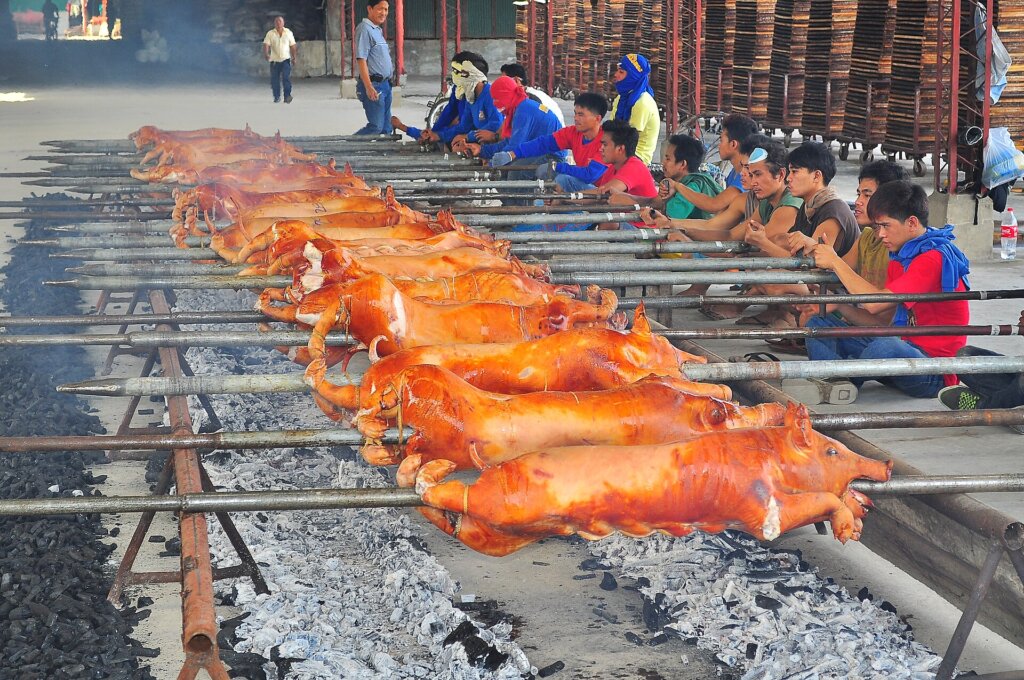
- Chicharon. Crunchy fried pork skin or similar crackling, often dipped in spiced vinegar.
Snack Comparison Table: What to Buy and When
| Snack | Best time | Travels well? | Good for |
|---|---|---|---|
| Palawan cashews | Anytime | Excellent | Souvenirs and boat trips |
| Buko juice and meat | Afternoon heat | No, drink fresh | Cooling down on the beach |
| Banana cue and turon | Late afternoon | Short term only | Sweet cravings |
| Dried mango | Anytime | Excellent | Dry bags and flights |
| Kakanin | Morning | Same day | Breakfast on the go |
| Banana chips | Anytime | Very good | Hiking and tours |
Where to Find Them
You will see roadside vendors and small stalls along the main streets of El Nido town, especially around the market area and near the beach in the late afternoon. Convenience stores sell packaged nuts and dried fruit, and local bakeries often make fresh rice cakes in the morning. Evening markets add grilled snacks and sweets once the sun goes down. In more remote beach areas, vendors may come by with fruit and coconuts, but supplies there are limited, so bring a snack bag if you plan a long beach day. If you are heading to the long beach north of town, our Nacpan Beach guide explains what food is available on site.
How to Eat Safely and Comfortably
Street food is part of travel, and a few habits make it comfortable. Pick busy stalls with fast turnover, because food that is cooked and sold quickly is less likely to have been sitting around. Choose items that are served hot or sealed in packaging. Wash or sanitise your hands before eating, and be cautious with raw ice if you are unsure of the source. If you have a sensitive stomach, introduce new foods gradually. The World Health Organization publishes general food safety advice for travelers, and our first aid and pharmacy guide lists what to pack in case of an upset stomach.
A Sample Snack Route Through the Day
Start with a small bag of kakanin or a warm taho from a morning vendor while you wait for your tour pickup. On the boat, keep a pack of cashews or banana chips handy for the stretches between stops, and pair them with a cold calamansi drink if your guide offers one. Back in town after your tour, a fresh buko from a roadside stand rehydrates better than a sugary soda, and it feels like a small reward after hours in the sun. As the light fades, follow the smell of caramel to a banana cue or turon stall. If you still have room, finish with ube ice cream or a few pieces of peanut brittle on a bench near the beach. This simple route costs very little and shows you four or five distinct flavours, from sweet to nutty to tart.
Regional Context: Why Palawan Snacks Taste This Way
Palawan sits far from the main Philippine trade routes, and its food reflects local ingredients: coconut, cashew, root crops, bananas, fish and tropical fruit. Rice remains the staple, and many sweets are built from rice, coconut milk and palm sugar, which explains the chewy, sticky textures of kakanin. Cashews grow well in the province, and small producers roast and flavour them by hand. For official information on regional culture and attractions, the Philippine Department of Tourism offers helpful background. Seasonal fruit also changes what you will see at stalls, so ask vendors what is freshest that week rather than ordering the same thing every day.
Etiquette When Buying From Street Vendors
A friendly greeting goes a long way. Ask the price before you order, carry small bills so vendors do not struggle to find change, and avoid heavy bargaining over inexpensive items, since a few pesos matter more to the seller than to you. If you want to photograph a vendor or their stall, ask first. Buying directly from small sellers supports the local economy, and a sincere thank-you is always welcome. If a vendor offers a taste, accept politely and decide whether to buy.
Snacks for Special Diets
Vegetarians will find plenty of fruit, nuts, rice cakes and coconut sweets, though some savoury snacks may contain shrimp paste or animal fat, so ask before buying. People with nut allergies should be careful, since cashews and peanuts are widespread in local sweets and sauces. Gluten is less of a problem in rice-based snacks, but fried items may share oil with wheat-coated foods. Travelers who avoid pork should skip chicharon and ask about ingredients in packaged goods. When in doubt, point to an item and ask the vendor, who will usually be happy to explain.
Snacks for Kids and Families
Children usually enjoy the sweeter end of the list: banana chips, dried mango, peanut brittle, ube ice cream and fresh coconut. Pack wet wipes, because sticky fingers and sandy beaches are a messy combination. Offer new foods in small portions and keep familiar favourites on hand, especially on long boat days when mealtimes are unpredictable. Always supervise young children with nuts and hard candies, and keep drinking water within reach, as the heat can make little ones thirsty faster than they realise. A small cooler bag with frozen water bottles can keep fruit and drinks cool for several hours on a shaded boat deck, and it doubles as a cold drink once the ice melts.
Packing a Boat-Day Snack Kit
- A small sealed bag of cashews or banana chips.
- A pack of dried mango for a quick sugar boost.
- A reusable water bottle to cut plastic waste.
- Wet wipes and a small trash bag, so you can carry out every wrapper.
- A waterproof pouch to keep snacks dry on rough crossings.
Protected areas around El Nido rely on visitors to leave nothing behind, and the Department of Environment and Natural Resources supports efforts to reduce waste in coastal areas. Pack out everything you pack in, and avoid feeding fish or wildlife with snacks.
Buying Snacks as Souvenirs
Palawan cashews, dried mango and local sweets are popular edible gifts. Choose factory-sealed packs with a clear expiry date, and check your airline and destination rules before carrying food across borders, since some countries restrict certain items. Compare shop prices before buying large quantities, and see our fair prices cheat sheet for tips on judging a fair price.
Frequently Asked Questions
Are Palawan cashews really a must-buy?
Palawan is widely associated with cashew nuts, and roasted or flavoured packs make light, easy souvenirs. Buy sealed packs from shops with clear labels and check the roast date or expiry.
Is it safe to eat street snacks in El Nido?
Generally yes if you choose busy stalls where food is cooked fresh and served hot. Skip anything that has been sitting out in the sun, and carry hand sanitiser.
What is the best snack to try for a first-timer?
Fresh buko (young coconut) water and a hot banana cue or turon are easy, popular starting points that most visitors enjoy.
Can vegetarians find local snacks?
Yes. Many kakanin rice cakes, fruit, coconut treats, roasted nuts and sweet fried bananas are vegetarian, though always ask about shrimp paste or animal fat in savoury items.
Which snacks travel well on boat tours?
Sealed cashews, dried mango, banana chips and peanut brittle hold up well in a dry bag, while soft rice cakes are best eaten the same day.
Final Thoughts
Snacking your way around El Nido is one of the easiest ways to taste the island without spending much. Start with a fresh coconut, add a hot banana cue at sunset, and finish with a pack of cashews for the flight home. For more places to eat, browse our day trips guide and plan snack stops around your route.