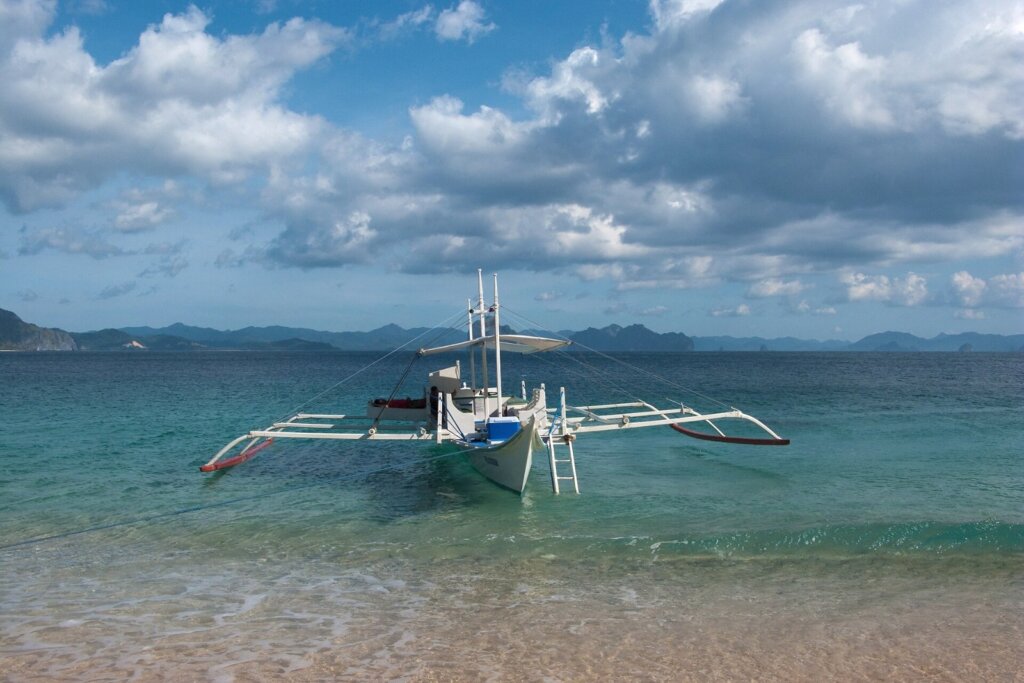
Nothing spoils a beach holiday like the feeling that you paid double for a tricycle ride or a bottle of water. This cheat sheet focuses on fair prices in El Nido specifically for first-time visitors who do not yet know what things should cost. Instead of quoting exact numbers that change every season, we show you how to judge a price, what is usually included, and where there is genuine room to negotiate.
- Why Prices Feel Confusing in El Nido
- The Fair Price Cheat Sheet: 10 Everyday Costs
- Where Haggling Works and Where It Does Not
- How to Read a Tour Quote Like a Local
- Cash, Cards and ATMs
- Tipping Without Overpaying
- Common Mistakes First-Timers Make
- Smart Habits That Save Money
- How Seasons and Weather Move Prices
- A Sample Day of Spending, Walked Through
- What to Do If You Think You Were Overcharged
- Frequently Asked Questions
- Final Thoughts
Why Prices Feel Confusing in El Nido
El Nido is a small town on the edge of a remote bay. Fuel, food and building materials arrive by road or sea, so costs run higher than in larger Philippine cities. Demand also swings sharply with the weather and holidays. A price that is reasonable during a quiet June week can look cheap during the peak dry season. Because of this, the best defence against overpaying is not memorising numbers, it is understanding the pattern behind them.
Always check current rates with two or three providers, because costs rise gradually and any printed figure ages quickly. For official visitor information and rules, the Philippine Department of Tourism is a reliable starting point.
The Fair Price Cheat Sheet: 10 Everyday Costs
- Island-hopping tours. Standard routes are priced consistently across licensed operators, so a shop that quotes far below the usual rate is probably cutting lunch, safety gear or boat quality. Read our tour prices guide for a breakdown of what each route includes.
- Environmental and entrance fees. Most tours collect a separate fee that supports conservation. Ask whether it is included or paid on the day.
- Tricycle rides inside town. Short hops have a standard fare, and rates climb for longer trips such as Nacpan. Agree the price before you get in.
- Airport and van transfers. Shared vans cost far less per person than private cars. Compare before you commit.
- Scooter rentals. Prices depend on the model and season. Photograph the bike before you ride and check whether a helmet and fuel are included.
- Drinking water and snacks. Convenience stores post prices, while beach kiosks charge a premium for convenience.
- Restaurant meals. Menus show prices, but check whether a service charge is added. Our street food guide highlights cheaper local options.
- Laundry. Usually charged by weight. Ask the rate per kilo and how long it takes.
- Snorkel gear rental. Often included on tours, but not always. Confirm before paying a second time.
- Massage and spa. Look for a posted rate card and compare treatment length, not just the headline price.
Where Haggling Works and Where It Does Not
Many travelers assume everything is negotiable, but that is not the case. Understanding the difference keeps conversations friendly and avoids awkward moments.
| Service | Can you negotiate? | How to approach it |
|---|---|---|
| Tricycle to far beaches | Usually yes | Ask the fare first, offer a fair counter, agree before boarding |
| Private boat charter | Sometimes | Ask for a lower rate off-peak or for a group, not on a busy holiday |
| Souvenir stalls | A little | Smile, ask for a small discount when buying several items |
| Standard island tours | Rarely | Rates are standardised, so ask for extras rather than a lower price |
| Restaurants and shops | No | Posted prices are final |
| Hotels | Often for longer stays | Message directly and ask about discounts for several nights |
How to Read a Tour Quote Like a Local
When two tours differ in price, the gap is rarely random. Check each quote against a simple list: shared or private boat, number of guests, lunch menu, drinks, snorkel gear, pickup, and environmental fees. A cheaper quote that leaves out lunch and fees may cost more in the end than a slightly higher all-inclusive one. For help deciding between routes, our Tour A versus Tour C comparison explains how the experiences differ.
Red flags worth noticing
- A price far below every other shop, with no explanation.
- Pressure to pay a full deposit immediately with no receipt.
- Vague wording about what lunch includes or how many stops you will make.
- No mention of life jackets or safety briefings.
None of these automatically mean a scam, but they are good reasons to ask more questions. Our safety tips cover what a responsible operator should provide.
Cash, Cards and ATMs
El Nido is still largely a cash economy for small purchases. Larger hotels and some restaurants accept cards, but tricycles, markets and beach kiosks usually want cash. ATMs can run empty or lose connection, so withdraw before you need the money and keep a reserve. Carry small bills, because breaking a large note for a short ride is harder than you might expect. Keep your cash split between your bag and your room safe, and avoid showing a thick wallet in public.
Tipping Without Overpaying
Tipping is not required but is appreciated by boat crews, guides, drivers and hotel staff who earn modest wages. A small, sincere tip for good service is a respectful gesture, and it does not need to match Western norms. See our El Nido tipping guide for typical amounts and etiquette.
Common Mistakes First-Timers Make
The most frequent mistake is accepting the first quote out of tiredness after a long journey. Arrive, drop your bags, and spend ten minutes comparing before you commit to anything. The second is paying cash deposits with no receipt, which makes any later change or refund difficult. The third is assuming that a low headline price covers everything, when lunch, fees and gear may be extra. Finally, many visitors forget to confirm the pickup time and meeting point, and then pay a premium for a last-minute fix. A short checklist saved on your phone avoids all four.
Smart Habits That Save Money
- Book tours at least one day ahead in peak season to avoid last-minute premiums.
- Travel in a group so private boat and transfer costs are split.
- Refill a reusable bottle at hotel or cafe refill stations to cut single-use plastic and cost.
- Eat one meal a day at a local eatery rather than a tourist restaurant.
- Ask hotels what is included in the rate, from breakfast to pickup.
Reducing plastic also supports local protection efforts led by the Department of Environment and Natural Resources, and it keeps your daily spend lower.
How Seasons and Weather Move Prices
The same tour or room can cost noticeably more in peak weeks than in quiet ones. Prices tend to rise around Christmas, New Year, Holy Week and the long dry-season stretch, when boats fill and transport sells out. In the wetter months, operators may discount, but sea conditions can cancel trips at short notice. Before you book, check the marine and weather outlook from PAGASA and ask each provider about their rebooking or refund policy for bad-weather cancellations. A slightly pricier operator with a clear refund policy can be the cheaper choice if the forecast looks uncertain.
A Sample Day of Spending, Walked Through
Imagine a first-timer’s day. You eat breakfast at your hotel or a local cafe, pay the posted price for a shared island tour, add the environmental fee, buy a bottle of water and a snack from a shop, then take a tricycle back from the pier after dinner. Each step has a clear way to stay fair. Breakfast follows a menu, the tour follows a standard rate, the fee is a known add-on, the shop price is posted, and the tricycle fare is agreed up front. The only truly flexible items are the private extras you choose, such as a private boat, a spa treatment or a scooter. Seen this way, most of your spending is predictable, and the number you can actually influence is smaller than it first appears.
Three questions that solve most pricing doubts
- What exactly is included in this price?
- Is there any extra fee on the day, and how much is it?
- Can I have this in writing or on a receipt?
Asking politely and calmly signals that you are an informed traveler without being confrontational. Most operators respect the question and answer directly.
What to Do If You Think You Were Overcharged
Stay calm and polite. Ask the provider to explain the charge, show you a rate card or a receipt, and compare it with what you were quoted. If the issue is serious, contact your hotel front desk or the local tourism office, and keep screenshots or photos as records. Most disputes end quickly when a traveler is friendly but firm, and most local businesses want repeat reviews and good word of mouth.
Frequently Asked Questions
Is haggling normal in El Nido?
Light negotiation is common for tricycle rides, souvenirs and private boat charters, but not in restaurants, supermarkets or at licensed tour counters that post fixed rates.
Are island-hopping tour prices fixed?
Standard Tour A, B, C and D prices are generally set by the local tourism office, so shops should charge the same base rate. Differences usually come from lunch quality, add-on fees and private versus shared boats.
How much cash should I carry in El Nido?
Carry enough small bills for tricycles, market snacks and fees, and withdraw in advance because ATMs can run out of cash or go offline, especially on weekends and holidays.
What is the best way to avoid being overcharged?
Ask the price before you accept a service, compare two or three providers, confirm what is included in writing, and pay with exact change where possible.
Should I tip in El Nido?
Tipping is appreciated but optional. A small tip for a boat crew, guide or hotel staff recognises good service; see our tipping guide for typical amounts.
Final Thoughts
Fair pricing in El Nido comes down to preparation. Compare a few providers, understand what is included, carry small bills, and negotiate only where it is normal. With a little knowledge you can spend less time worrying about money and more time on the water, and our day trips guide will help you plan the rest.