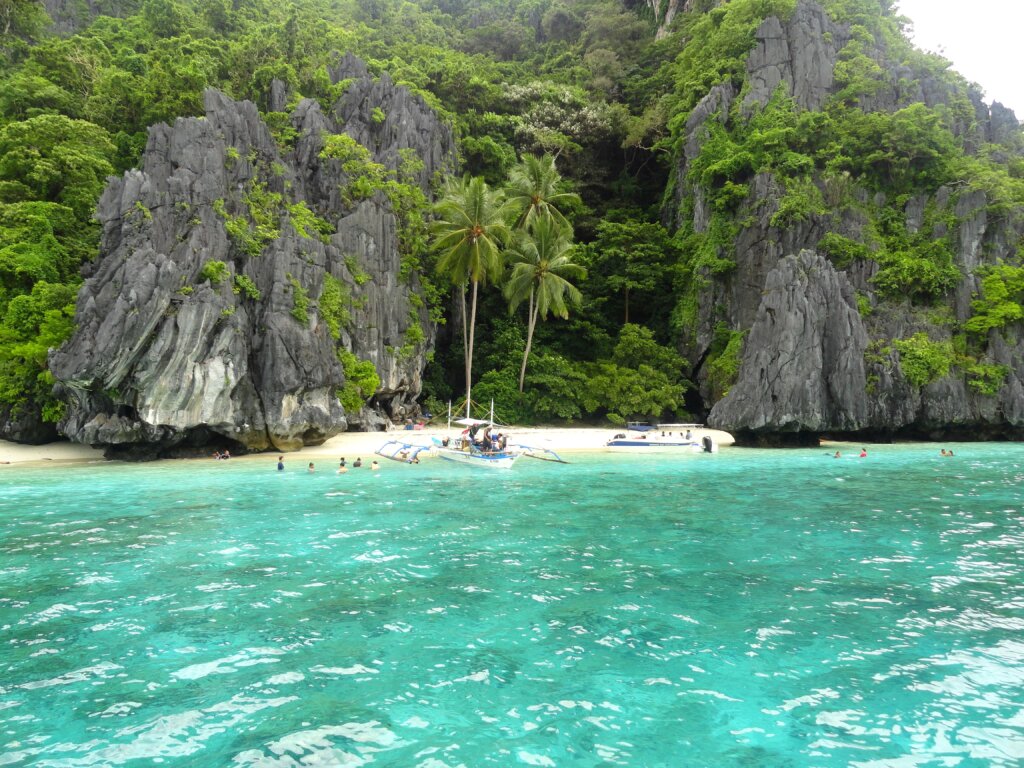
El Nido’s lagoons look like swimming pools, but the sea around them is still the sea. This how-to guide focuses on reading currents, tides and surf safely, specifically for swimmers and snorkelers on island-hopping trips. You will learn what to check before you get in the water, what to do if a current catches you, and when to stay on the boat.
- Why Currents Matter in Bacuit Bay
- Before You Go: Check These Five Things
- Types of Water You Will Meet
- How to Spot a Current From the Surface
- What To Do If You Are Caught in a Current
- Special Advice for Snorkelers and Weak Swimmers
- Tides, Time of Day and Weather
- Boat Safety and Swimming Around Boats
- Rules of Thumb for Families With Children
- Talking to Your Guide: Questions Worth Asking
- Packing a Water Safety Kit
- Rules for Night, Dusk and Low Visibility
- First Aid After a Scare
- Frequently Asked Questions
- Final Thoughts
Why Currents Matter in Bacuit Bay
El Nido sits where limestone islands break up open water into channels, coves and lagoons. As tides rise and fall, water has to move through narrow gaps between islands, which can create surprisingly strong flows even on sunny days. Wind-driven waves can also form on exposed beaches, and boat traffic adds wake and noise. Most days the water is gentle, but the contrast between calm lagoons and a sudden channel current can catch new visitors off guard. Good habits turn a potential risk into a small, manageable detail.
Before You Go: Check These Five Things
- Weather and sea forecast. Review marine bulletins from PAGASA and listen to your crew.
- Tide times. Strong flows often occur when tide levels are changing fastest.
- Your own ability. Be honest about your swimming and snorkelling skills.
- Your gear. Use a properly fitting life jacket, mask, snorkel and fins.
- Your plan. Know where the boat is, and agree a meeting point with your group.
Our general safety tips cover other trip basics such as sun protection, valuables and emergency contacts.
Types of Water You Will Meet
| Water type | What it looks like | Risk level | What to do |
|---|---|---|---|
| Sheltered lagoon | Flat, clear, ringed by cliffs | Low | Swim near the boat, wear a life jacket if unsure |
| Channel between islands | Narrow gap, ripples, visible flow | Moderate to high | Stay with your guide and swim across the flow, not against it |
| Open beach with waves | Surf lines, foam, sand in the water | Moderate | Swim between marked or calm areas, avoid in rough weather |
| Reef edge | Colour change, deeper blue beyond | Moderate | Stay above the shallow side and watch for drifting |
| Pier and harbour | Boats, ropes, propellers | High | Do not swim around active boats |
How to Spot a Current From the Surface
Look for a line of rippled or choppy water in an otherwise calm area, a channel of darker water running toward the open sea, floating debris or foam moving steadily in one direction, and a break in the usual wave pattern. If your snorkelling group starts drifting away from the boat without kicking, you are in a current. Pause, look around, and decide whether to turn back before the flow becomes strong. When in doubt, ask your guide before you jump, because they know the daily conditions at each stop.
What To Do If You Are Caught in a Current
- Stay calm. Panic wastes energy. Take slow breaths and keep your face up.
- Do not fight it. Swimming straight against a strong flow is exhausting.
- Float or swim sideways. Move parallel to the shore or across the flow until you feel it weaken.
- Signal for help. Wave an arm and shout, or blow a whistle if you carry one.
- Angle back. Once free, swim diagonally toward your boat or shore.
Many snorkelers also carry a small safety whistle or a brightly coloured float. The training organisation PADI publishes general ocean safety advice for divers and snorkelers that is worth reading before a first trip.
Special Advice for Snorkelers and Weak Swimmers
If you are not confident, wear a life jacket for the entire swim, even in calm water. Stay within a short distance of the boat, use a buddy system, and do not swim alone away from the group. Wear a snorkel vest or flotation belt if you tire easily, and rest often. Avoid alcohol before water activities, which affects judgement and coordination. Children should always have an adult within arm’s reach and should wear properly fitted flotation devices. Our Tour A versus Tour C comparison notes which stops tend to be calmer and which have more open water.
Tides, Time of Day and Weather
Water conditions change through the day. Mornings are often calmer, while afternoon winds can build chop. During the wetter months, storms and strong winds make the sea rougher, and operators may cancel trips for safety. Respect those decisions, even if the sky looks clear from the pier. If your itinerary is flexible, build in a spare day so a cancellation does not push you into an unsafe swim. Always follow instructions from the boat crew, as they watch the weather and tides every day.
Boat Safety and Swimming Around Boats
Boats are the other major hazard. Keep clear of propellers, wait until engines are off before entering the water, and never swim between two moored boats. Use the ladder, not a jump from the roof, unless the crew says it is safe. Stay visible by wearing a bright cap or swim shirt. Make sure someone is counting heads whenever the group enters or leaves the water. Report any near-misses to your operator so they can improve their routine. For protected areas, follow the rules published by local authorities and the Department of Environment and Natural Resources.
Rules of Thumb for Families With Children
Families should treat open water with extra caution. Choose shallow, sheltered stops for young children, and keep every child within arm’s reach of an adult who is not distracted by a phone or camera. Make sure flotation devices fit snugly: lift the shoulders of the jacket, and if it rises over the chin, it is too loose. Set a clear boundary, such as a rope line, a rock or the boat’s side, and teach children to stay inside it. Take regular breaks on the boat, because tired swimmers make poor decisions and children get cold faster than adults, even in warm water. Rinse sand and salt from ears and skin afterward, and offer fresh water to drink.
Talking to Your Guide: Questions Worth Asking
Local boat crews know the bay far better than any guidebook. Before you enter the water at each stop, ask a few short questions: Is there a current here today? Which side is safest to swim? Where should we stay relative to the boat? How long do we have? Guides usually appreciate the interest and will happily point out the calmest spots and any areas to avoid. If a stop looks rough, it is perfectly acceptable to stay on board or swim only in a shallow area. Choosing caution is not a loss, because the next stop is only a short ride away.
Packing a Water Safety Kit
- A bright swim shirt or rash guard for visibility and sun protection.
- A whistle on a lanyard, small enough to forget it is there.
- A waterproof phone pouch with your emergency contacts saved.
- Reef-safe sunscreen, applied well before you enter the water.
- Water shoes to protect your feet from rocks, urchins and coral.
- A refillable bottle for fresh water after swimming.
These items weigh almost nothing and add a margin of safety on every swim. Ask your operator which of them they already provide, so you do not carry duplicates.
Rules for Night, Dusk and Low Visibility
Avoid swimming in open water at dusk or after dark unless you are with a qualified guide and a planned activity such as a supervised night snorkel. Visibility drops, boats become harder to see, and it is easy to drift without noticing. After a heavy rainstorm, runoff can reduce water clarity and increase debris near beaches, so wait for the water to settle. If you see lightning, leave the water immediately and return to the boat or shore. Never rely on a phone flashlight as your only light source on a rocky beach at night, and keep a small waterproof headlamp in your daypack.
First Aid After a Scare
If someone is pulled from the water coughing or exhausted, have them rest, keep warm and monitor them for breathing problems. Seek medical attention for anyone who swallowed a lot of water, lost consciousness or feels unwell later, because problems can appear hours afterwards. Know where the nearest clinic is, and save emergency numbers in your phone. Our first aid and pharmacy guide lists what to carry and where to seek care in town.
Frequently Asked Questions
Are there rip currents in El Nido?
Yes, currents and rip-like flows can form near channels, open beaches and between islands, especially in rough weather or around tide changes. Always ask local guides about conditions before swimming.
Is it safe to swim at El Nido’s lagoons?
Sheltered lagoons are usually calm, but boats move through them and tides can change water flow. Wear a life jacket if you are not a strong swimmer and stay close to your guide.
What should I do if I get caught in a current?
Stay calm, do not fight it, float or swim parallel to the shore until you are out of the flow, then angle back in. Signal for help if you cannot get free.
Do I need a life jacket on island-hopping tours?
Boat operators provide life jackets and it is wise to wear one when swimming in open water, around channels or if you are inexperienced.
When is the sea calmest in El Nido?
Seas are generally calmer in the drier months from about December to May, though conditions vary daily. Check forecasts and follow the advice of your boat crew.
Final Thoughts
Swimming in El Nido is one of the great pleasures of the Philippines, and a few smart habits keep it that way. Check the forecast, ask your guide, wear a life jacket if you doubt yourself, and never fight a current. For more ways to enjoy the water safely, explore our Nacpan Beach guide, which explains how to read the surf on a long open beach.