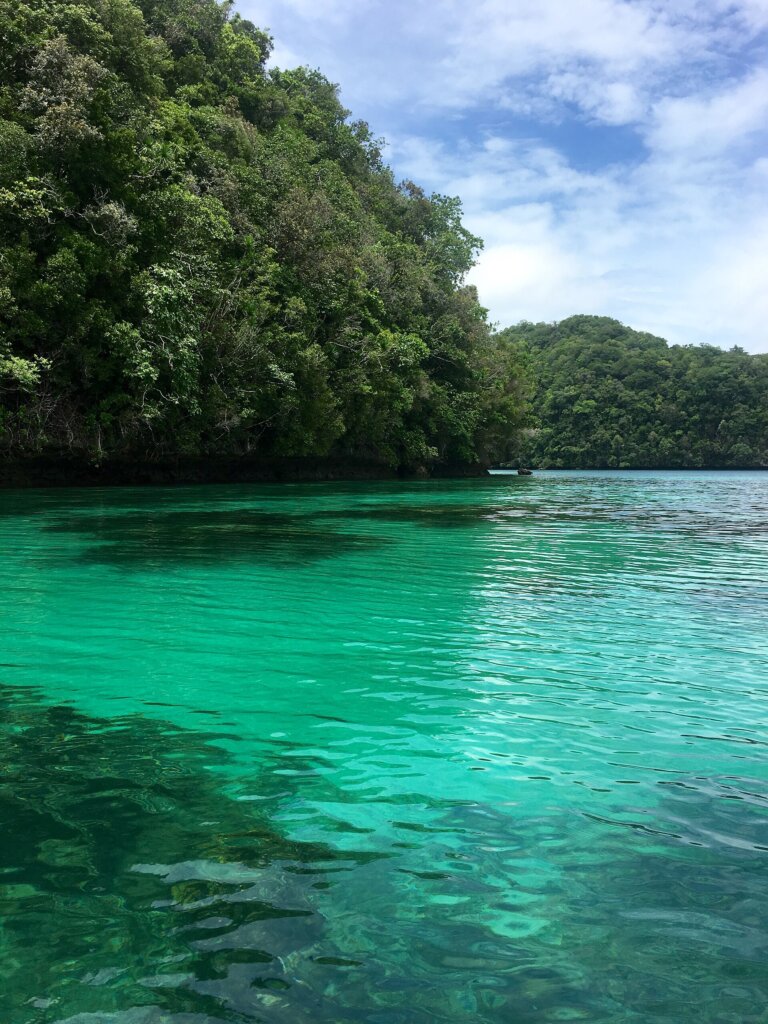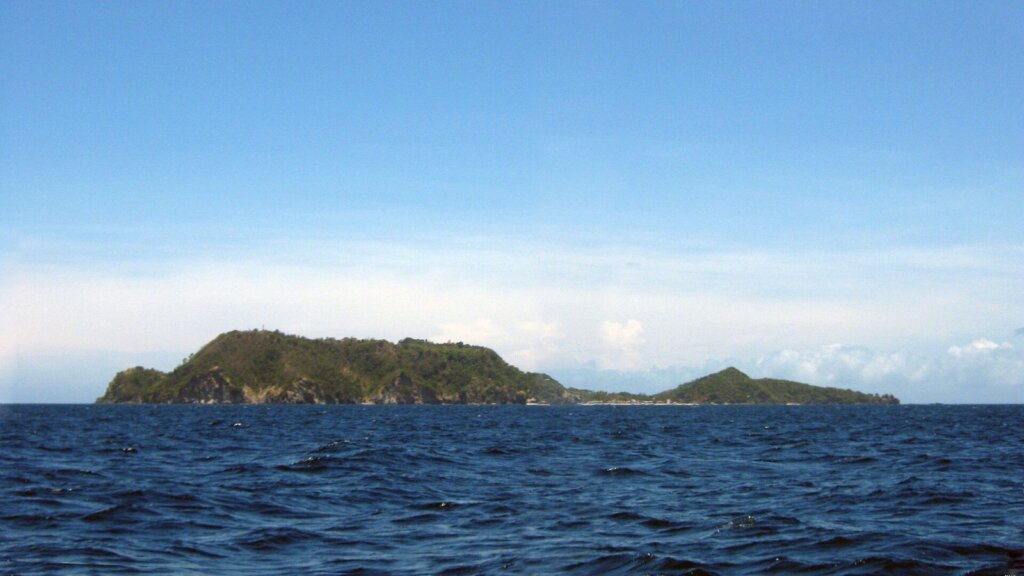

El Nido’s limestone karst cliffs rising from crystal-clear turquoise water create some of the most spectacular cliff jumping backdrops in Southeast Asia. Leaping from sun-warmed rock into the warm Philippine sea is one of the most exhilarating things you can do in El Nido — and the good news is that several accessible spots are included on standard island hopping tours. This guide covers the best cliff jumping spots in El Nido, safety considerations, and what to expect in 2026.
Best Cliff Jumping Spots in El Nido
1. Helicopter Island (Dilumacad Island) — Tour A/C
Helicopter Island is El Nido’s most famous cliff jumping spot. Named for its silhouette resembling a helicopter from certain angles, this limestone island has natural rock ledges ranging from approximately 3 to 8 meters above the water. The landing zone is deep, clear water directly below — no rocks, no reef, excellent visibility.
- Heights available: 3 m (easy entry-level), 5 m (intermediate), 8 m (committed jumpers)
- Water depth: Deep and clear — excellent visibility down to 10+ m
- How to access: Tour A and Tour C boats stop here; you can also arrange with private charter
- Best conditions: Morning, when seas are calmest and lighting is best for photos
- Photo opportunity: The limestone backdrop and turquoise water make this one of the most photogenic cliff jumps in the Philippines
2. Matinloc Island — Tour C
The rocky formations around Matinloc Island offer several natural jumping platforms at varying heights. The area near Matinloc Shrine has protected cove water, making it suitable for both first-timers and more experienced jumpers. The island’s dramatic cliff backdrop creates stunning jump photos.
- Heights available: 2-6 m depending on the platform accessed
- How to access: Tour C stop — ask your guide to show you the jumping platforms
- Note: Access to specific platforms depends on water level and tour guide discretion
3. Entalula Island — Tour B
Entalula Island has a rocky headland with natural ledges popular with cliff jumping enthusiasts. The water around the island is deep and suitable for jumping, though the platforms require some scrambling to reach. Tour B stops here and crew members typically know the best access points.
- Heights available: 3-7 m
- Access: Tour B; requires climbing on rocks to reach platforms — water shoes helpful
- Best for: Adventurous travelers comfortable with scrambling on rock
4. Secret Beach Area — Tour C
The rocky entrance formations around Secret Beach provide informal jumping ledges for guests who swim through the cave entrance. Heights are modest (2-4 m) but the setting — jumping into the enclosed emerald lagoon — is uniquely spectacular. Ask your boat crew if jumping is permitted on the day of your visit as access varies.
5. Independent Spots (Private Charter Only)
Several remote limestone islands in the northern Bacuit Archipelago have excellent cliff jumping platforms accessible only by private boat charter. If cliff jumping is a priority for your El Nido trip, book a private boat charter and ask your crew specifically to find jumping spots — they know the islands intimately and can take you to locations shared tour boats never visit.
Cliff Jumping Safety in El Nido
Cliff jumping carries inherent risk. El Nido’s rocks and warm water are generally safe at established spots, but responsible jumping requires following these guidelines:
Before You Jump: Always Check
- Water depth: Ask your boat crew to confirm the water is deep and clear of submerged rocks before jumping. Never jump into water you cannot see the bottom of from the air.
- No underwater obstructions: Look carefully at the landing zone from the platform — scan for rocks, coral, or debris.
- Jump entry: Jump feet-first with legs together, arms crossed over chest or slightly out for balance. Never dive head-first unless you are an experienced cliff diver who knows the specific site.
- One jumper at a time: Wait until the previous jumper has completely cleared the landing zone and signaled all-clear.
- Exit path: Know how you will get back to the boat or shore after landing.
Know Your Limits
- Start low: If you have never cliff jumped before, begin at 3 m or less to gauge your comfort level. The impact of even a 5 m jump is significantly greater than it looks from above.
- Height vs impact: A 10 m jump creates a water entry impact equivalent to roughly 45 km/h. Incorrect body position at height can cause bruising, back injuries, or in rare cases serious harm.
- No peer pressure: Never jump because others are doing it. This is the most common cause of cliff jumping accidents worldwide.
- Alcohol and cliff jumping do not mix: Do not jump after drinking.
Insurance Consideration
Many standard travel insurance policies exclude cliff jumping as a “high-risk activity.” Check your policy before you jump. If cliff jumping is on your El Nido itinerary, ensure you have an adventure sports rider on your travel insurance. See our El Nido Travel Insurance Guide for details.
Cliff Jumping on Island Hopping Tours: What to Expect
Cliff jumping at Helicopter Island and other stops is not formally part of the standard tour itinerary — it is an informal activity that happens at established spots when conditions allow. Your boat crew will typically:
- Point out the jumping ledges and confirm if conditions are safe
- Allow willing guests to jump while others swim or relax
- Advise on the safest entry points and best heights for beginners
- Not force or pressure anyone to jump — it is always optional
The whole group typically stops to watch and cheer — it becomes one of the most memorable social moments of the tour, regardless of whether you jump yourself.
Best Time for Cliff Jumping in El Nido
- November to April (dry season): Optimal — calm seas, clear water, stable rock surfaces. Best visibility for photos and safety checks.
- Morning (8-11 AM): Calmest sea conditions of the day. Afternoon can bring chop and wind in open water areas.
- Avoid monsoon season (June-October): Rough seas and slippery rock surfaces make cliff jumping dangerous. Most tour operators will not access jumping spots in these conditions.
Frequently Asked Questions
Is cliff jumping legal in El Nido?
There is no specific ban on cliff jumping at established informal spots in El Nido. However, the activity is at your own risk — tour operators accept no liability for voluntary cliff jumping. Some areas within marine reserves may have restrictions, so always follow crew guidance.
How high are the cliff jumps in El Nido?
Most accessible spots range from 3 to 8 meters. Helicopter Island offers the most reliable progression from 3 m (beginner) through 5 m to approximately 8 m. Heights beyond 8 m exist at remote private spots but require confident jumping experience.
Can beginners cliff jump in El Nido?
Yes — the 3 m ledge at Helicopter Island is a very accessible entry point for first-time cliff jumpers. The water is clear and deep, and the environment is thrilling without being extreme. Start at the lowest platform, assess how you feel, and work up from there.
Related: El Nido Safety Tips Guide | El Nido Tour A Guide | El Nido Travel Insurance Guide