TL;DR: Firefly watching in El Nido’s mangroves is a calm sunset-to-evening activity; displays are smaller and more seasonal than famous sites, so go with a licensed operator and keep everything dark.
Most visitors come to El Nido for lagoons and limestone cliffs, yet a quiet night on a mangrove river can be just as memorable. This guide focuses on firefly watching specifically for travellers who have already done the big island-hopping tours and want a calm, low-impact evening activity. We explain what to expect, how realistic your chances are, which months tend to work best, what it costs, and how to behave so the insects keep returning for future visitors.
- Why Fireflies Gather in Mangroves
- Where to Go Near El Nido
- Best Months and Moon Phase
- What a Typical Evening Looks Like
- Comparing Your Night-Time Options
- Costs and How to Book
- Etiquette and Conservation Rules
- Photography and Packing Tips
- Sample Itinerary for a Firefly Evening
- Key Takeaways
- Frequently Asked Questions
Why Fireflies Gather in Mangroves
Fireflies are beetles, and the species that put on the famous synchronised displays depend on mangrove trees, especially the types that grow along brackish rivers. The larvae live in muddy banks and feed on small snails, while adults gather on foliage at night to attract mates. A single tree can glow like a string of tiny Christmas lights, and when many males flash in rhythm the effect is hypnotic.
Palawan has several mangrove systems, and the island is widely recognised for its biodiversity. The provincial and national tourism bodies, including the Philippine Department of Tourism, promote nature-based experiences that keep ecosystems intact, and firefly watching fits that model well because the activity needs healthy mangroves to exist at all.
Be aware that El Nido is not a guaranteed firefly destination in the way some river estuaries elsewhere in the Philippines are. Displays here are smaller and more seasonal, so it is wise to treat the evening as a bonus boat ride with a chance of sparkle rather than a promised show.
Where to Go Near El Nido
The most accessible option is a small-boat or paddle trip into a mangrove channel near town, usually arranged through your accommodation or a local operator. Smaller operators run these as private evening outings rather than scheduled group tours, so ask at the front desk of your hotel the day before. If you are also touring the bay, our tour safety briefing guide explains what boat crews typically check before departure, and the same standards should apply at night.
Some travellers combine El Nido with Puerto Princesa, where the Iwahig River area has a long-running firefly watching tradition. If you have flexibility in your route, that is the more reliable place to see dense displays, while El Nido works well for a gentler, less crowded version.
Whichever route you choose, confirm that the operator uses paddles or a quiet motor, keeps lights off near the trees, and limits group size. Those three details tell you far more about quality than any photo on a brochure.
Best Months and Moon Phase
Fireflies are active year-round in tropical climates, but sightings vary with rain, humidity and moonlight. Many guides suggest the drier months from roughly December to May because calm water makes night boating safer and the mangrove air is less disrupted by storms. Heavy downpours can wash out displays and make river channels turbid.
Moonlight matters more than most people expect. A new moon or thin crescent gives the darkest sky, which makes every flash stand out. Under a full moon the glow is still visible, but you lose the dramatic contrast. Check a moon calendar and aim for the week around the new moon when you can.
Weather also changes quickly in the northern Palawan region. Before booking a night trip, check the current forecast on weather.com and the local advisory from PAGASA. Our October weather guide shows how unsettled the shoulder months can be, so build in a spare evening in case your first choice is cancelled.
What a Typical Evening Looks Like
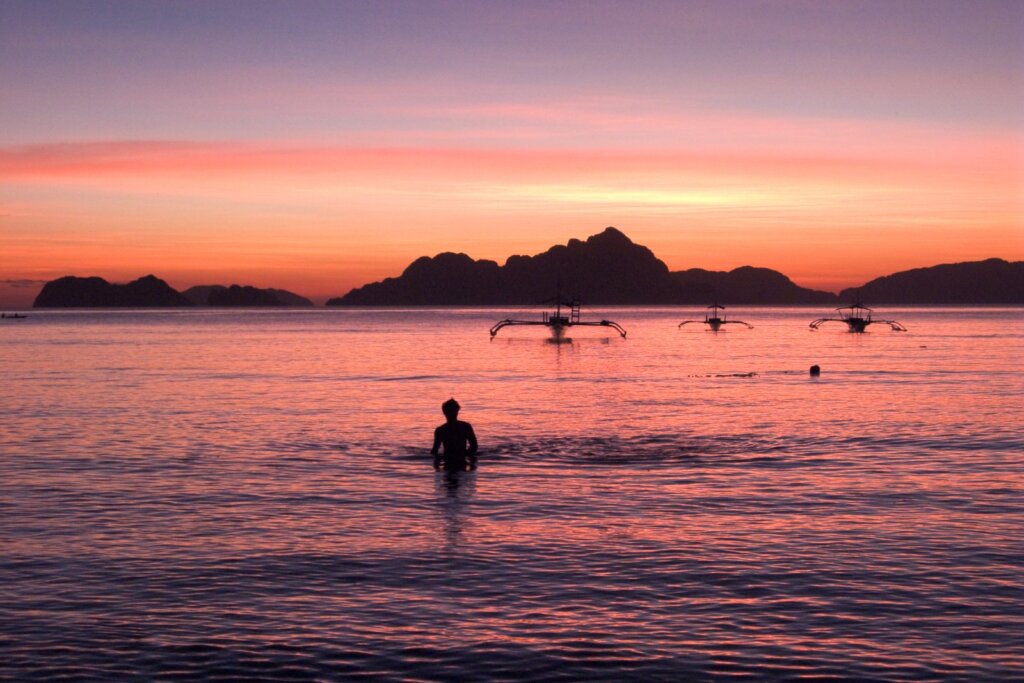
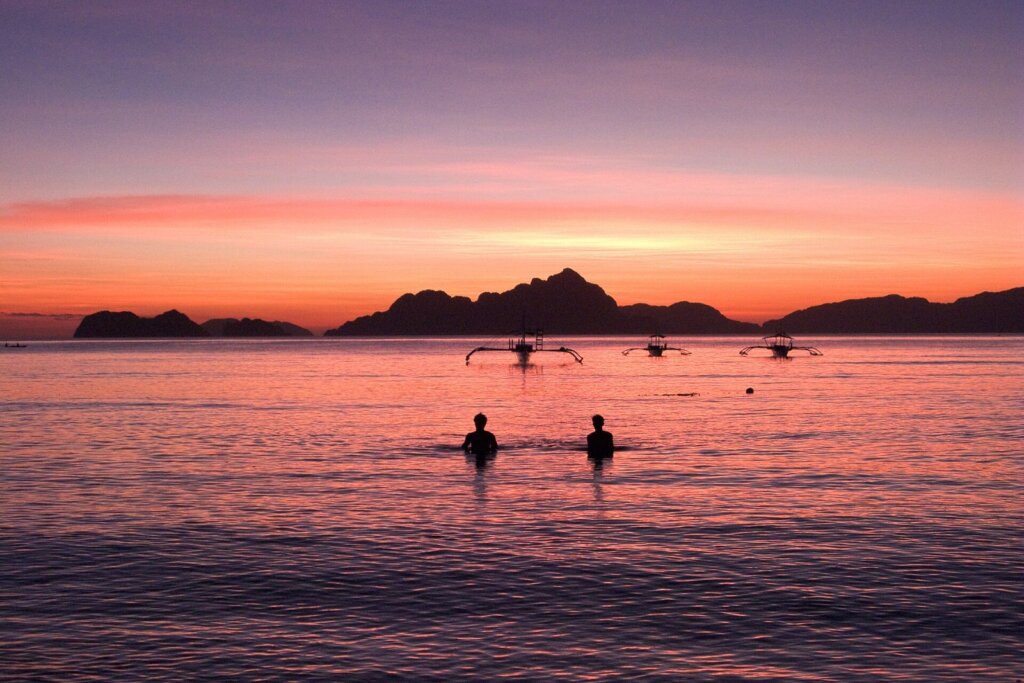
Most trips leave town around sunset so that guests can enjoy the fading light on the water before darkness falls. You glide into the mangrove channel, the engine is switched off or reduced to a hum, and the guide asks everyone to turn off phones and torches. After a few minutes your eyes adjust and the trees begin to blink.
Expect to spend roughly one and a half to two hours in total, including transfers. Some operators add a simple dinner or fresh seafood on the boat, while others finish with a short stop at a beach to look at the stars. Because the sky above the bay is relatively free of city glare, stargazing and fireflies pair nicely.
Seating is usually cramped, so wear comfortable clothes and avoid bulky bags. If you are prone to nausea, take a tablet beforehand, since the boat rocks gently when everyone shifts to point at a glowing branch.
Comparing Your Night-Time Options
Use the table below to decide how firefly watching stacks up against other evening activities around town.
| Activity | Typical Duration | Crowd Level | Best For |
|---|---|---|---|
| Firefly mangrove boat | 1.5 to 2 hours | Very low | Couples, photographers, nature lovers |
| Sunset beach walk | 1 hour | Low to moderate | Families, budget travellers |
| Night snorkel or dive | 1 to 2 hours | Low | Experienced swimmers (see PADI night dive standards) |
| Town bar crawl | 2 to 4 hours | High | Social travellers |
| Stargazing from a beach | 1 to 2 hours | Very low | Anyone who enjoys dark skies |
No single option wins for everyone. Couples and photographers tend to prefer the quiet boat, while families with younger children may find a beach walk easier to manage.
Costs and How to Book
Prices change with fuel costs and season, so treat figures from older blog posts as rough guides only. Private boat outings are typically priced per boat rather than per person, which makes them cheaper when split among a group of four to six. Shared evening departures, where available, cost less per head but offer less flexibility on timing.
Always ask what is included before paying. Life jackets, a guide, and a small bottle of water should be standard. Dinner, drinks and park or community fees may be extra. Pay in pesos and keep small bills handy, because card machines rarely work on the water. Our El Nido ATM and cash guide lists where to withdraw before heading out, and this GCash payment guide helps if your operator accepts e-wallets.
Book one day ahead during the dry season and two or three days ahead around holidays. Confirm the meeting point, departure time and a mobile number for the guide in case of delays.
Etiquette and Conservation Rules
The golden rule is darkness. Never shine a torch or phone screen at the trees, and do not use flash photography. Light confuses the insects and interrupts their signalling, which can reduce breeding success over time. Do not touch or catch fireflies, even for a quick photo, and never shake branches to make them glow.
Take every piece of rubbish back with you, avoid loud music, and stay seated while the boat is moving. The Philippine Department of Environment and Natural Resources protects mangroves under national law, and illegal cutting or damaging of roots carries penalties. Choosing an operator that follows these norms helps local guides who depend on healthy mangroves for their income.
If you notice a boat operator crowding the trees, using bright lamps or letting guests stand up, politely ask them to stop. Small acts of feedback influence how responsibly the industry develops.
Photography and Packing Tips
Photographing fireflies is difficult. Your best results will come from a camera with manual controls, a tripod or beanbag for stability, a wide aperture lens, and long exposures of several seconds. Because the boat moves, many photographers simply put the camera down and enjoy the moment, which is a perfectly good choice.
For packing, bring insect repellent applied before you leave, a light long-sleeved shirt, a dry bag for electronics, and a small red-light headlamp if you need to see. Red light is far less disruptive than white. Our sandfly prevention guide has useful advice because mangrove channels can also host biting insects at dusk.
Finally, remember a power bank, since you will be out of reach of outlets for several hours, and keep your phone in airplane mode so unexpected notifications do not light up the boat.
Sample Itinerary for a Firefly Evening
To make the most of the night, start the afternoon with a relaxed swim or a late lunch in town, then return to your hotel to shower and pack your dry bag. Meet your boat about forty-five minutes before sunset so you are not rushing, and use the golden hour for photographs of the channel entrance. Once darkness falls, spend at least thirty quiet minutes drifting among the trees before moving on.
After the boat returns, eat a late dinner at a local grill, where fresh fish and rice are usually served until around ten at night. Planning the meal after the trip means you are not sitting through the best viewing window with a full stomach, and it gives you time to compare photos and notes with your companions. Remember to tip your guide and boatman, as many of them earn most of their income from small private trips like this one.
Key Takeaways
- Fireflies live in mangrove areas around northern Palawan, but displays vary with rain, humidity and moonlight.
- Trips usually leave around sunset so you are on the water when it is fully dark.
- Never shine a torch or phone screen at the trees and never use flash.
- Choose a licensed operator who provides life jackets and checks the weather.
- Most phones cannot capture fireflies well, so consider simply watching.
Frequently Asked Questions
Are there really fireflies in El Nido?
Yes, fireflies live in mangrove areas around northern Palawan, but displays are smaller and more seasonal than at famous estuaries elsewhere, so manage your expectations.
What time should I go?
Depart around sunset and be on the water by early evening, when it is fully dark. The darkest hour after the sky clears gives the best visibility.
Is it safe at night?
It is generally safe with a licensed operator who provides life jackets and checks the weather. Avoid trips in rough seas, storms or when the crew seems unprepared.
Can children join?
Older children who can sit quietly usually enjoy it, but very young children may get restless or scared in the dark, so ask the operator about age policies.
Can I use my phone camera?
Keep screens dimmed and never use flash. Most phones cannot capture fireflies well, so consider simply watching.
About the Author
This guide was researched by the El Nido editorial team — on-the-ground coverage of Palawan, updated regularly.