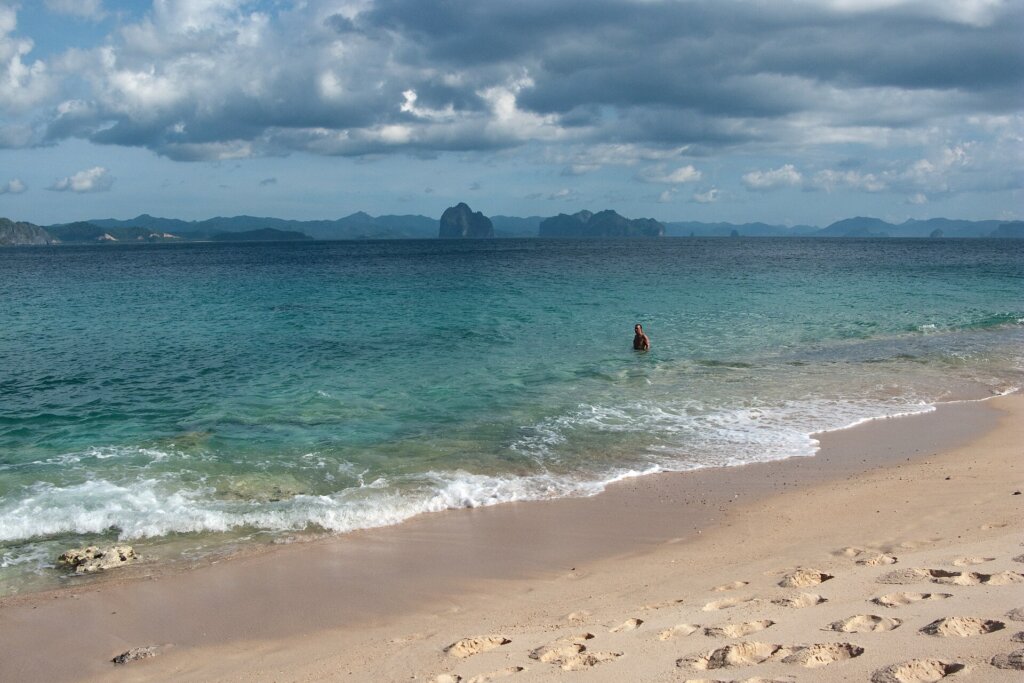

October sits in an awkward gap between El Nido’s wet season and its famous dry-season crowds, which is exactly why it confuses so many travelers trying to plan around it. This guide focuses on October specifically for travelers deciding whether a shoulder-season trip is a smart budget move or a weather gamble, covering what the skies actually do, how crowded the lagoons get, what to pack so a rain shower doesn’t wreck your week, and how it compares directly to peak season.
- Weather in El Nido in October: What to Actually Expect
- Is October Rainy Season or Dry Season?
- Crowd Levels and Prices in October
- What to Pack for an October Trip
- Which Tours Run Reliably in October
- Flights and Ferries: Any October-Specific Disruptions?
- October vs Peak Season: At a Glance
- Where to Stay for an October Trip
- Health Considerations During the Rainy Shoulder Season
- Tips for Handling Weather Cancellations
- Diving and Snorkeling Visibility in October
- Sample 3-Day October Itinerary
- Photography and What the Light Looks Like
- Is October Worth It for a Budget-Conscious Trip?
- Frequently Asked Questions
Weather in El Nido in October: What to Actually Expect
October falls at the tail end of the habagat (southwest monsoon) season, which typically runs from June through October before transitioning toward the drier amihan pattern. Expect a mix of sunny mornings and afternoon showers rather than all-day rain, with humidity staying high and temperatures generally in the low-to-mid 30s Celsius during the day and rarely dropping much below the high 20s overnight. Storm activity is still a real possibility this month, since October remains within the Philippines’ broader typhoon season, so it’s worth checking a live forecast in the week before you travel rather than relying on seasonal averages alone.
Is October Rainy Season or Dry Season?
Technically still rainy season, though “rainy” in El Nido rarely means constant downpour — most days bring a few hours of showers, often in the afternoon, with plenty of sun in between. Our breakdown of El Nido’s monsoon seasons goes deeper into how amihan and habagat differ if you’re trying to time a trip around the driest possible window rather than just avoiding October specifically.
Crowd Levels and Prices in October
This is where October earns its shoulder-season reputation: significantly fewer tourists than the December–April peak, shorter lines for popular lagoons, and noticeably lower prices on accommodation. Budget and mid-range hotels often drop rates meaningfully compared to peak months, and boat tours are easier to book last-minute since operators aren’t running at full capacity. Restaurants and popular viewpoints also feel noticeably less packed, which makes for a more relaxed pace overall if you’re not chasing a specific once-in-a-lifetime clear-sky photo. If avoiding crowds matters more to you than guaranteed sunshine, October is one of the better trade-offs on the calendar.
What to Pack for an October Trip
Pack for both sun and sudden rain: a lightweight rain jacket or poncho, a dry bag for electronics on boat tours, quick-dry clothing, and reef-safe sunscreen for the sunny stretches in between showers. A change of clothes kept dry in your day bag is worth the extra weight, since getting caught in an afternoon shower without one can mean spending the rest of the day damp. Our heat and sun safety guide covers hydration and sun exposure basics that still apply even on a cloudier trip, since humidity and heat don’t let up just because it’s not peak season.
Which Tours Run Reliably in October
Standard Tour A through D routes generally continue running in October, though individual departures get cancelled or rerouted on days with rough seas or active storm warnings — this is more common in October than in the December–April dry season, so building flexibility into your schedule matters more this month. Tour operators typically rebook affected guests for the next available day rather than issuing refunds outright, so ask about the specific policy when you book.
Flights and Ferries: Any October-Specific Disruptions?
Flights into El Nido and Puerto Princesa can face delays or cancellations during active storm systems, which are more likely in October than in the dry months, so travelers with tight connections should build in a buffer day where possible. The same caution applies to any ferry connections to Coron or elsewhere in Palawan, since sea conditions can turn quickly during this transitional month. Travel insurance that covers weather-related cancellations is worth considering for an October trip specifically, given the higher likelihood of a disrupted travel day compared to visiting in the dry season, and it’s generally inexpensive relative to the rest of a Palawan trip’s cost.
October vs Peak Season: At a Glance
| Factor | October | Peak Season (Dec–Apr) |
|---|---|---|
| Rainfall | Frequent afternoon showers, some storm risk | Mostly dry, occasional light rain |
| Crowds | Noticeably thinner | Busy, especially lagoons |
| Accommodation prices | Lower, more negotiable | Higher, book ahead |
| Tour reliability | Occasional weather cancellations | Consistently runs |
| Booking flexibility | Easier last-minute bookings | Advance booking recommended |
Where to Stay for an October Trip
Since crowds are lighter, October is a reasonable month to be more flexible about location rather than booking the most central spot months in advance. Our neighborhood-by-neighborhood stay guide breaks down which areas suit different priorities, and lower shoulder-season rates can make it worth stretching your budget toward a nicer room than you’d book in peak season.
Health Considerations During the Rainy Shoulder Season
Standing water after October showers can increase mosquito activity, so it’s worth packing repellent and considering long sleeves in the evenings if you’re prone to bites. This is generally a minor consideration rather than a reason to avoid the month, but travelers with specific health concerns should factor it in alongside general precautions covered in our broader food and health guide. Staying hydrated remains just as important as in the dry season, since humidity stays high even on cloudier days, and it’s easy to underestimate fluid loss when the sun isn’t directly overhead.
Tips for Handling Weather Cancellations
Build at least one buffer day into any October itinerary, ideally positioned mid-trip rather than on your last day, so a single cancelled tour doesn’t cost you an experience you were counting on. Keep a copy of your accommodation and tour bookings accessible offline, since spotty connectivity during a storm can make it harder to coordinate rebooking on short notice, and note down your tour operator’s phone number separately in case you need to reach them without relying on an app or email. Checking conditions through the Philippine Department of Tourism and monitoring any advisories from the Department of Environment and Natural Resources before departure can help you gauge whether a trip needs rescheduling entirely, though this is rarely necessary outside active storm warnings.
Diving and Snorkeling Visibility in October
Underwater visibility in October tends to be more variable than in the dry season, since runoff and choppier surface conditions after rain can cloud nearshore snorkeling spots temporarily. Visibility usually recovers within a day or two of a storm passing, and sheltered lagoon spots inside Bacuit Bay tend to hold up better than more exposed reef sites during unsettled weather. Divers chasing the clearest possible water are generally better served by the December–May window, but October snorkeling is still perfectly enjoyable on the many days without heavy rain, and the smaller crowds at popular lagoons often make up for slightly softer visibility.
Sample 3-Day October Itinerary
A flexible three-day trip works well for October’s unpredictability: use day one for town exploration, food, and settling in while you watch the forecast, save your most weather-dependent island-hopping day for whichever morning looks clearest, and keep a backup indoor or low-key activity ready for day two in case of a wash-out. Many travelers find it easiest to book their boat tour only a day in advance during October rather than committing weeks ahead, since operators are running below capacity and same-day or next-day slots are usually available. Keeping the rest of your schedule loose — rather than pre-booking every activity — tends to pay off during shoulder season, since it lets you shift plans around whatever the sky is doing that particular morning.
Photography and What the Light Looks Like
Overcast October skies actually suit photography better than some travelers expect — diffused light flatters skin tones and reduces the harsh shadows that midday dry-season sun can create in lagoon photos. Dramatic storm-light sunsets, when clouds break up in the evening, are also a distinct October perk that peak-season visitors rarely get to see. Bring a way to protect your camera or phone from sudden rain regardless, since a passing shower can appear with little warning.
Is October Worth It for a Budget-Conscious Trip?
For travelers prioritizing lower prices and thinner crowds over guaranteed sunshine every day, October is a genuinely good trade-off rather than a compromise pick. The occasional rainy afternoon is a small cost against meaningfully cheaper hotel rates and shorter lines at the lagoons that get packed in peak months. Travelers who need certainty — a milestone trip, a short window with no flexibility for delays — are usually better off in the drier December–April window instead. Everyone else stands to save a meaningful amount of money and skip the worst of the crowds by picking October over the months on either side of peak season.
Frequently Asked Questions
Does it rain every day in El Nido in October?
Not usually — most days bring a mix of sun and a few hours of rain, typically in the afternoon, rather than all-day downpours.
Is October a good time to visit El Nido on a budget?
Yes, accommodation prices tend to be noticeably lower than peak season, and crowds at the main lagoons are thinner.
Will boat tours get cancelled in October?
Occasional cancellations happen due to rough seas or storm warnings, more often than in the dry season, so it’s worth building flexibility into your schedule.
What should I pack for El Nido in October?
A lightweight rain jacket, dry bag, quick-dry clothing, and reef-safe sunscreen cover both the sunny and rainy stretches you’re likely to see.
Is October within typhoon season in the Philippines?
Yes, October is still within the broader Philippine typhoon season, so checking forecasts close to your travel dates is worthwhile.