
Most visitors see El Nido from the deck of an island hopping boat, but the same waters hold some of the best fishing in northern Palawan. This guide focuses on fishing trips specifically for travelers who want to wet a line, whether you are a seasoned angler chasing trophy fish or a beginner who just wants to catch dinner. It compares the main fishing styles, explains the species you may encounter, outlines seasons and etiquette, and shows how to fish responsibly in a protected area.
- What Makes Fishing Here Special
- Fishing Styles Compared
- Common Species You Might Catch
- Best Time of Year to Fish
- How to Book a Fishing Trip
- What to Bring on a Fishing Day
- Fish Responsibly
- Cleaning and Cooking Your Catch
- Fishing With Kids or Non-Anglers
- Sample Full-Day Itinerary
- Final Thoughts
- Etiquette and Tipping on the Boat
- Frequently Asked Questions
What Makes Fishing Here Special
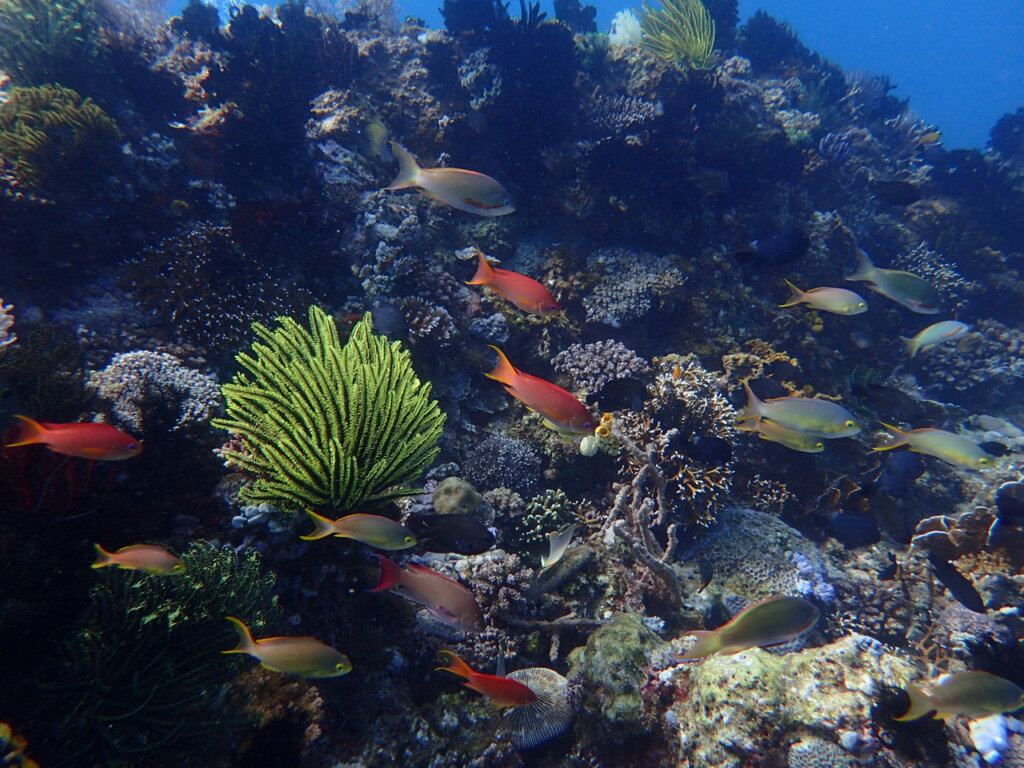
The Bacuit Archipelago and the surrounding Sulu Sea and West Philippine Sea waters mix deep channels, coral reefs, and drop-offs close to shore. That variety supports reef fish, pelagic predators, and squid. Local fishers have worked these waters for generations, and many offer trips that blend traditional techniques with modern gear. Because much of the area falls under protection, fishing here is shaped by rules, so booking with a licensed local operator is the safest approach.
The Bureau of Fisheries and Aquatic Resources sets national fishing regulations, and local authorities enforce zoning in marine protected zones. Our sustainable tourism guide explains how the conservation fees and rules work for visitors.
Fishing Styles Compared
Different styles suit different goals and budgets. The table below compares the four you are most likely to be offered.
| Style | Typical Target | Skill Level | Best For |
|---|---|---|---|
| Handline (traditional) | Snapper, grouper, emperor | Beginner | Families and first-timers |
| Trolling | Tuna, mackerel, barracuda, dorado | Beginner to intermediate | Anglers who want action with little effort |
| Jigging or casting | Trevally, queenfish, reef predators | Intermediate to advanced | Active, experienced anglers |
| Squid fishing at night | Squid, sometimes small pelagics | Beginner | Evening activity and a fresh dinner |
Handline fishing
This is the classic local method, using a hand-held line, a hook, and bait such as small fish or shrimp. It is simple, quiet, and surprisingly effective on reef edges. Beginners and children enjoy it because there is no heavy rod to manage. Expect to catch snapper or smaller grouper, which crews often cook for lunch.
Trolling
Trolling drags lures behind a moving boat. It covers a lot of water and can produce tuna, mackerel, or barracuda without much technique. It is a good choice if you want to relax on deck and let the boat do the searching, although you should be ready for a sudden strike.
Jigging and casting
For active anglers, jigging in deep water or casting poppers near reef edges is the most exciting style. It demands stamina and some experience with spinning or conventional tackle. Reef predators such as trevally hit hard, and a good fight is part of the appeal.
Night squid fishing
After sunset, boats anchor and use lights to attract squid. It is relaxed, social, and a great complement to a day on the water. The catch can end up grilled or in a stew the same evening. If you enjoy local dishes, pair it with our comfort food guide the next morning.
Common Species You Might Catch
Catches vary with season and location, but anglers commonly mention snapper, grouper, emperor, giant trevally, barracuda, mackerel, tuna, and squid. Larger pelagic fish such as dorado, wahoo, and sailfish are less predictable and more common on trips that go farther out. Always follow your guide’s advice on which species may be kept, since size limits and protected species vary. Releasing large breeding fish is good practice and often required.
Best Time of Year to Fish
The dry season from roughly November to May offers the most reliable access to the water, with calmer mornings and better visibility. The northeast monsoon can make outer waters choppy between December and February, so ask your operator about sheltered options. During the wetter months, typhoons and strong winds may cancel trips, so build flexibility into your plans and read our guide to typhoon season disruptions. Early mornings are best in every season, since fish tend to feed when the light is low and winds are gentle. Check the forecast on PAGASA before you commit.
How to Book a Fishing Trip
Ask your hotel, a licensed tour desk, or a local fisher recommended by a reputable guesthouse. Compare what is included, such as gear, bait, ice, lunch, drinking water, and life jackets. Confirm trip length, since half-day and full-day options differ in range and species. Private charters offer flexibility, while shared boats cost less per person. Always verify that the boat carries safety equipment and a working radio or phone, and that the crew is familiar with local protected zones.
- Ask about gear: Is tackle included, and is it suitable for your skill level?
- Check safety: Life jackets, first aid, and communication tools matter more than price.
- Confirm the plan: Where will you fish, and are those areas permitted?
- Agree on catch policy: Will you keep fish, release them, or have them cooked for lunch?
- Clarify price: Fuel, fees, and tips can change the total, so ask for everything in writing.
Bring cash for smaller operators and for tipping your crew; our ATM and cash guide shows how to plan withdrawals.
What to Bring on a Fishing Day
Pack sun protection first: a long-sleeved shirt, a wide-brimmed hat, polarized sunglasses, and reef-safe sunscreen. Bring a dry bag for your phone and camera, a light rain jacket, and plenty of water. Wear non-slip shoes or go barefoot on the deck if the crew allows it. If you are prone to motion sickness, read our seasickness guide before boarding, because trolling and anchored fishing can both rock the boat. Snacks and electrolytes help on a long day; our snacks and hydration plan is a good reference.
Fish Responsibly
El Nido’s reefs support fishing communities and tourism alike, so sustainable habits matter. Use circle hooks where possible, since they reduce injury to released fish. Wet your hands before handling fish and return them quickly. Never fish in marked no-take zones or collect coral, shells, or marine life. Avoid taking juveniles, and do not buy products from endangered species. Many operators now follow catch-and-release policies for large or rare fish, and choosing those operators supports healthier waters. The PADI community also publishes useful ocean-conservation tips that apply equally to anglers.
Cleaning and Cooking Your Catch
Many crews cook the catch on the boat or at a beach stop. Simple preparations, such as grilling over coals, steaming with ginger, or making kinilaw with calamansi, show off fresh fish at its best. If you want to take fish back to your accommodation, ask the crew to gut and ice it, and check whether your hotel kitchen will cook it for a small fee. Never leave fish unrefrigerated for long in tropical heat.
Fishing With Kids or Non-Anglers
A fishing trip can work for mixed groups if you choose handline or a half-day format. Non-anglers can swim, snorkel, or simply enjoy the scenery while others fish. Pack shade, snacks, and entertainment, and keep young children in life jackets near the edge of the boat. Pair the trip with a rest day on land afterward, and use our indoor activity ideas if the weather shifts.
Sample Full-Day Itinerary
A typical full-day trip leaves the beach around 6:00 am, when the water is calm and fish are active. The first two hours are spent trolling along the edges of the bay, followed by a mid-morning stop to handline over a reef. Around noon the crew grills the catch on a quiet beach, and you rest in the shade before a short afternoon session of casting or jigging. The boat returns by late afternoon, leaving time to shower, eat, and watch the sunset. If you prefer a shorter outing, a four-hour morning trip captures the best bite and leaves the afternoon free for a swim or a massage. Whichever format you choose, keep your expectations flexible, because fishing is always a mix of skill, weather, and luck.
Final Thoughts
Fishing offers a quieter, more local view of El Nido than the standard lagoon circuit. Choose a style that fits your experience, book a licensed operator, travel in the dry season if you can, and fish with respect for the reef. Whether you land a trophy trevally or a humble snapper for lunch, the day on the water is the real reward.
Etiquette and Tipping on the Boat
Treat the crew as the experts they are. Follow instructions on where to stand, how to handle the line, and when to reel in, because hooks and moving lines can injure people quickly. Keep voices low when fish are feeding, avoid throwing trash overboard, and take all litter back to shore. Tipping is customary and appreciated; many guests give a modest amount to the boatman and helper at the end of the day, in addition to the trip price, particularly when the crew cooks lunch and cleans the catch.
Frequently Asked Questions
Do I need a fishing license in El Nido?
Recreational anglers generally fish through licensed local operators who handle permits. Always confirm with your operator and follow local zoning and protected-area rules.
What is the best fishing style for beginners?
Handline fishing is the easiest, since it needs no heavy gear. Trolling is also beginner-friendly if you want more chances at bigger fish.
When is the best time to fish near El Nido?
The dry season from November to May is the most reliable, with early mornings offering the best bite and the calmest water.
Can I keep the fish I catch?
Often yes for legal species and sizes, and many crews cook it for lunch. Large breeding fish and protected species should be released.
Is night squid fishing worth trying?
Yes, it is relaxed, social, and works well for beginners. Boats use lights to attract squid after sunset, and the catch is often cooked the same night.