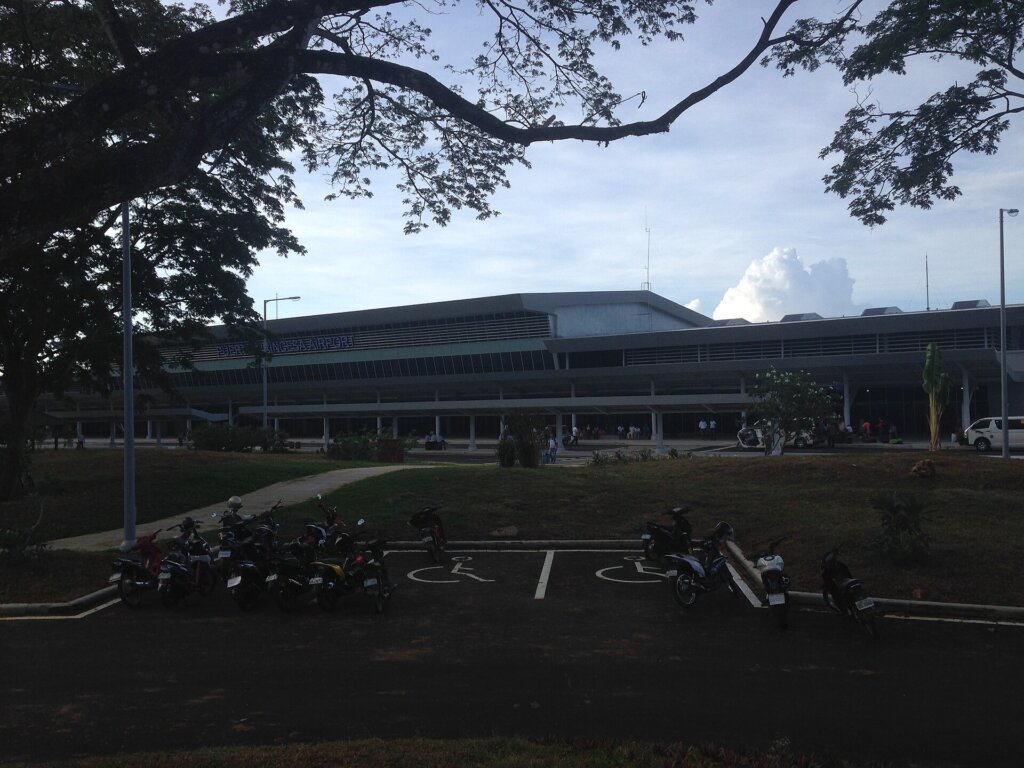

Anyone flying directly into El Nido quickly learns that small aircraft play by different baggage rules than big jets. This guide focuses on flight baggage allowance specifically for travelers heading to Lio Airport on light aircraft, especially divers, families and long-stay visitors who normally travel with heavy bags. You will learn how the weight limits work, how to pack under them, what to do with the extra gear and how to avoid surprise fees at the check-in counter.
- Why Small Planes Have Strict Weight Limits
- Checked Bag, Hand-Carry and Personal Item
- Typical Allowances and What to Verify
- How to Pack Under the Limit
- Divers, Families and Long-Stay Travelers
- Excess Baggage Fees and Ways to Avoid Them
- What Happens If Your Bag Is Overweight at the Counter
- Frequently Asked Questions
Why Small Planes Have Strict Weight Limits
Flights to El Nido use turboprop aircraft that carry a few dozen passengers at most. Every kilogram affects fuel, balance and takeoff performance on a short runway, so airlines enforce baggage weight more carefully than on jet services. The rules are not meant to punish travelers; they are a safety requirement.
The exact allowance depends on the airline, the fare type and the season, and it can change without much notice. Many carriers on this route have historically offered a checked allowance in the range of ten to twenty kilograms and a small hand-carry limit. Always confirm the current rule on the airline website before you pack. You can read more about the route in our guide to flying from Manila or Clark.
Do not assume that a bag accepted on a previous trip will be accepted again. Scales at Manila, Clark and Lio are checked often, and staff will ask you to move items to a carry-on or pay for excess weight.
Checked Bag, Hand-Carry and Personal Item
Think in three layers. The checked bag carries clothes, toiletries and heavier items. The hand-carry holds valuables, electronics, medication and a change of clothes. A small personal item, such as a purse or slim pouch, holds documents and money. Many travelers weigh only the checked bag and get caught by a strict hand-carry limit.
Hand-carry bags are usually measured for both size and weight, and may be inspected at the gate. Soft duffels compress better than hard-shell suitcases, which is why locals and frequent flyers prefer them for small aircraft. Keep lithium batteries and power banks in the cabin, where regulations require them. For a complete gear list, see our full trip packing list.
Typical Allowances and What to Verify
| Item | Common Pattern on Small Planes | What to Verify |
|---|---|---|
| Checked bag | Roughly 10 to 20 kg | Fare type and exact limit |
| Hand-carry | Small, low weight cap | Size and weight measured at gate |
| Excess baggage | Charged per kilogram | Whether the plane has space |
| Sports or dive gear | Extra fee or special approval | Advance request required |
| Prepaid extra bag | Cheaper online than at airport | Cutoff time before departure |
Numbers vary, so treat this table as a checklist rather than a rate card. The safest move is to email or chat with the airline and keep a screenshot of the written policy in case the counter staff quote a different limit.
How to Pack Under the Limit
Start with the clothing plan. El Nido is warm year-round, so quick-dry shirts, one pair of shorts per two days, a swimsuit set and one light rain layer will cover most trips. Wear your heaviest shoes on the plane and pack sandals in the checked bag.
Roll clothes to reduce volume, and use packing cubes to separate wet from dry. Decant shampoo and sunscreen into small bottles, since you can buy refills in town. Skip the big towel, because hotels and tour operators supply towels. If you plan to snorkel, bring your own mask only if it fits properly; otherwise rent one, following the tips in our snorkeling gear guide.
Weigh your bag at home two days before departure. A cheap hanging luggage scale costs very little and prevents an expensive surprise. Aim for a margin of at least one kilogram below the limit, because scales at different airports may read slightly differently.
Divers, Families and Long-Stay Travelers
Divers face the biggest challenge. Regulators, fins, wetsuits and a dive computer can weigh more than the entire allowance. The best strategy is to carry only your personal essentials, such as a mask, regulator and computer, and rent the rest from a local shop. Our dive shop guide lists what is commonly available for rent.
Families should split the allowance across bags and plan for laundry. Instead of packing ten days of clothes, pack five and use a laundry service. Children can carry light backpacks that meet the hand-carry limit, so the family gets extra usable weight overall.
Long-stay travelers and remote workers can ship extra items ahead to the hotel or send heavy gear overland. If you arrive by van from Puerto Princesa instead, the luggage limit is far more generous, as we explain in the Lio versus Puerto Princesa airport comparison.
Excess Baggage Fees and Ways to Avoid Them
Excess baggage fees are usually charged per kilogram, and the rate can be higher at the airport than online. If you know you will exceed the limit, buy extra weight when you book. Some airlines allow the purchase up to a few hours before departure through the website or app.
Do not try to stuff the overage into your pockets or a jacket at the counter. Staff see this trick often and may ask you to put the jacket through the scale. It is better to leave nonessential items behind or send them by courier to your hotel.
Ask your hotel about luggage storage. Many will hold an extra suitcase while you travel, so you can fly light and collect the bag when you return through the same gateway.
What Happens If Your Bag Is Overweight at the Counter
If the scale shows too much, you generally have three choices. First, repack on the spot by moving heavy items into your hand-carry, provided it is still within limits. Second, pay the excess fee, which is calculated per kilogram and may be accepted only if the aircraft has spare capacity. Third, leave items behind with a friend, a hotel or a courier service.
Stay calm and polite. Airline staff at small airports handle these situations daily and are more helpful when you cooperate. Have a small foldable tote ready so you can move items quickly, and keep a marker or tape handy in case you need to relabel a bag. If you are traveling in a group, consolidate weight across bags so that no single suitcase becomes the problem.
Remember that hand-carry limits are sometimes enforced more loosely than checked-bag limits, but you should not rely on that. A heavy camera bag or laptop can push you over, so weigh your cabin luggage separately.
Packing Around Restricted Items
Aviation rules apply on small planes as they do on large ones. Power banks and spare lithium batteries must travel in the cabin. Aerosol cans, flammable liquids and camping fuel are restricted. Sharp tools and dive knives belong in checked luggage, if they are permitted at all.
Check the Civil Aviation Authority of the Philippines website for current safety guidance and the Department of Tourism for travel updates. If you are carrying prescription medication, bring the original packaging and a doctor note, and keep it in the hand-carry so it is always with you.
A Simple Pre-Flight Checklist
Two weeks before departure, read the airline baggage policy and take a screenshot. One week out, buy any needed extra weight online. Two days before, weigh your bags and remove nonessentials. On the day, arrive at the airport early, keep your important documents in your personal item and be ready to repack at the counter if needed.
Also check the weather, because storms can delay small flights. Our safety guide and the PAGASA weather service pages are useful before you travel. A little planning lets you enjoy the view of Bacuit Bay from the plane instead of worrying about the scale.
Money-Saving Ideas for Light Travel
Traveling light is not only about weight; it is about savings. Buy sunscreen, snacks and toiletries in town instead of hauling them. Wear a bulky jacket or shoes on the plane and keep books and chargers to a minimum, since most travelers use a phone for reading. Choose a compact daypack that doubles as your hand-carry and your boat bag so you do not need two.
Consider an insurance option that covers delayed or damaged luggage, especially if you are carrying dive or camera gear. Photograph the contents of your bag before you seal it, and keep the tags until you reach the hotel. A light bag also makes it easier to step on and off boats, which is the real reason many experienced travelers prefer to carry only what they can lift with one hand.
Frequently Asked Questions
How much baggage can I take on a flight to El Nido?
It depends on the airline and fare, but small aircraft commonly allow roughly ten to twenty kilograms checked plus a small hand-carry. Always confirm the current policy before flying.
Can I buy extra baggage weight in advance?
Many airlines let you buy extra allowance online at a lower rate than at the airport. Do it before the cutoff time.
Are dive gear bags allowed on El Nido flights?
Usually only with prior approval and extra fees. Most divers carry personal items and rent the rest locally.
Can I store extra luggage in El Nido?
Many hotels hold luggage for guests. Ask before you book, and label each bag clearly.
Is the baggage allowance higher if I travel by road?
Yes. Vans and buses from Puerto Princesa are far more relaxed, though space can still be limited in shared vans.