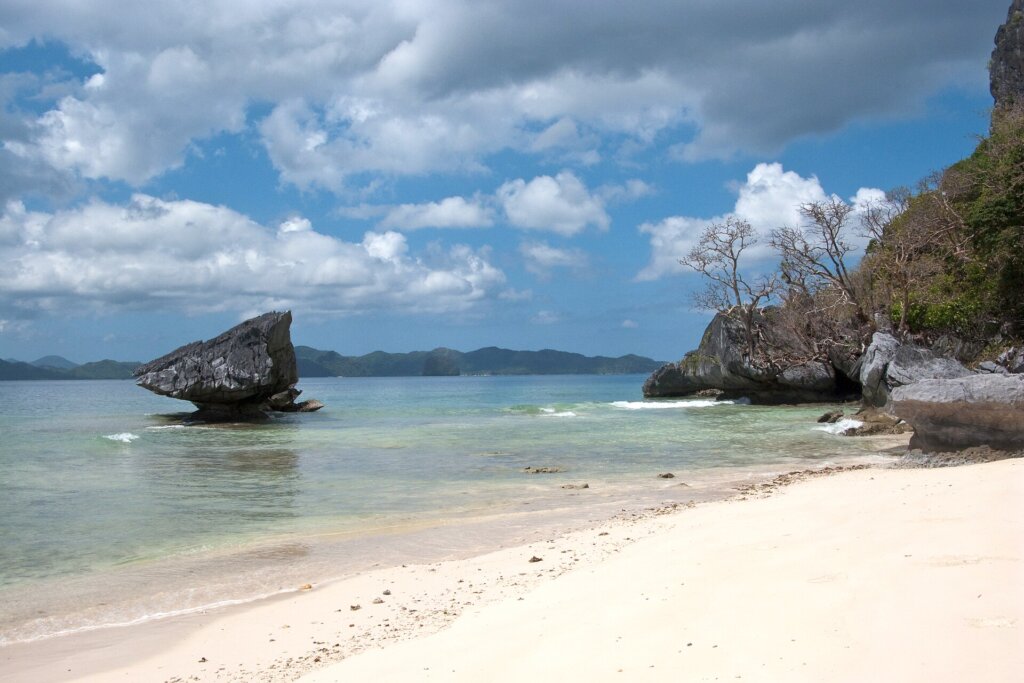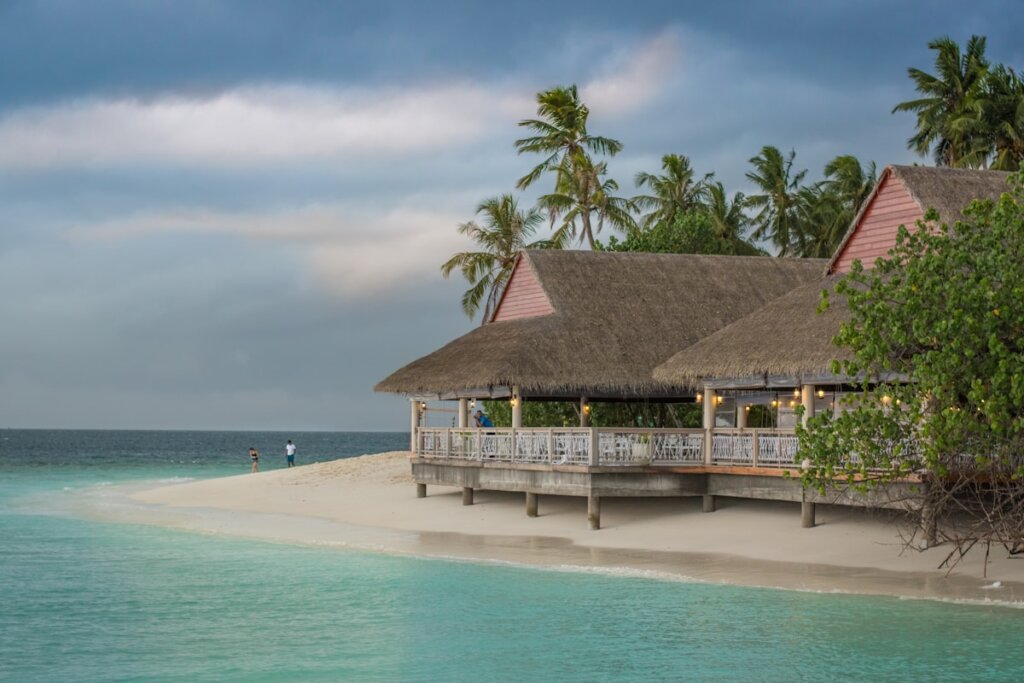

The lunar calendar quietly shapes a trip to El Nido more than most visitors realize, from how much beach is left at low tide to how many stars you will see from the sand. This how-to guide focuses on timing a trip around the full moon specifically for photographers, stargazers and travelers who want bright moonlit evenings without losing island-hopping days to avoidable surprises. You will learn how the moon phase changes tides, visibility and crowds, how to check dates, and how to build a practical plan. If stars matter most to you, pair this with the El Nido stargazing guide.
- Why the Moon Matters in El Nido
- Moon Phase Planning Table
- How Full Moon Tides Affect Island Hopping
- Moonlit Evenings: What To Do
- Photography Tips for Bright Nights
- Safety After Dark
- Full Moon and Weather
- Sample 3-Night Moon-Aware Itinerary
- Common Mistakes to Avoid
- What to Pack for Moonlit Nights
- Finding the Right Spot
- Budgeting for a Moon-Timed Trip
- Final Takeaways
- Frequently Asked Questions
Why the Moon Matters in El Nido
Two effects dominate. First, the moon drives the tides. Around full moon and new moon the sun and moon line up, producing spring tides, which have larger swings between high and low water. Around the quarter moons the tide range is smaller, known as neap tides. Second, moonlight changes the night sky: a full moon lights the beaches and sea beautifully, but washes out faint stars and the Milky Way.
For a place where lagoons, sandbars and shallow reefs are central to the experience, tide height affects what you can walk across, how deep the snorkeling water is and how easy boat landings are. That makes the lunar calendar a legitimate planning tool, not just a romantic detail.
Moon Phase Planning Table
Use the table below as a rule of thumb. Actual conditions depend on weather, wind and local tide predictions, so treat it as a planning aid rather than a guarantee.
| Moon phase | Tide range | Night sky | Best for |
|---|---|---|---|
| New moon | Large (spring tides) | Darkest, best stars | Stargazing and astrophotography |
| First quarter | Smaller (neap tides) | Moon sets around midnight | Balanced evenings and calmer water |
| Full moon | Large (spring tides) | Bright, stars washed out | Moonlit beach walks and photos |
| Last quarter | Smaller (neap tides) | Moon rises late | Early-night stars, late moonrise |
How Full Moon Tides Affect Island Hopping
At spring tides the low water can be noticeably lower, exposing more sand and rock at the shoreline and sometimes making shallow reef flats harder to snorkel without touching coral. At high tide, narrow beaches can shrink, and some spots become less comfortable for sitting. Boat crews know the local patterns, and they adjust the order of stops to match the water level.
This is why the same lagoon can look different on two visits. If a stop has a shallow entrance, ask your guide when the tide is best for it. Our Tour A vs Tour C comparison explains which routes rely more on lagoons and shallow areas. For low tide exploring on shore, see the tide pooling guide.
Snorkeling around spring tides
Currents can be stronger when the water moves more, so stay near the boat and follow your guide’s instructions. Choose reef-safe habits and keep fins off the coral. The reef-safe sunscreen guide covers what to apply.
Landings and beaches
Expect to wade at some landings and carry dry bags. A waterproof pouch and quick-dry shoes make life easier.
Moonlit Evenings: What To Do
A full moon turns a simple beach walk into a highlight. The light is bright enough to see paths, shadows and the outline of the karst islands across the bay. Many travelers bring a small speaker and snacks, though noise etiquette matters in quieter areas, so keep the volume low out of respect for neighbors and wildlife.
Sunset to moonrise is a particularly good window: the sky turns orange, then the moon lifts above the horizon. Find a west-facing spot for the sunset and an east-facing one for the moonrise, or choose a property with open views; our rooftop bars and sunset decks guide lists vantage points. Check moonrise times for Puerto Princesa and nearby on timeanddate.com to plan precisely.
Photography Tips for Bright Nights
Moonlit landscapes are easier to photograph than starry ones because the light is stronger, but the scene still demands a tripod and slower shutter speeds. Use manual focus on a distant light or the moon itself, shoot in RAW and bracket your exposures. A wide aperture helps, while a modest ISO keeps noise down.
Avoid pointing your camera at the sun or direct light sources during the golden hour. If you carry a drone, check local rules before you fly. Always keep gear dry, since sea spray and humidity are tough on electronics. Our stargazing resource explains how to switch strategies when the moon is down.
Safety After Dark
Moonlit beaches feel safe, but common-sense rules still apply. Do not swim alone at night; visibility in the water is limited and boat traffic continues after dark. Watch your footing on rocky shorelines, where wet stone and uneven ground can cause falls, and carry a small torch even when the moon is bright.
Tell your accommodation where you are going, keep valuables out of sight and keep your phone charged. Power cuts can occur, so read our notes on power outages and brownouts before you rely on lights at your hotel.
Full Moon and Weather
The moon phase does not control the weather, but the two can overlap. Rainy-season clouds may hide the moon entirely, and a bright forecast can change within hours. Monitor PAGASA for official updates, and build flexibility into your itinerary so a cancelled tour does not leave you stranded.
If you travel during months with unsettled weather, plan for more than one possible moon night. Our rainy season guide explains what to expect and how to keep plans flexible.
Sample 3-Night Moon-Aware Itinerary
Here is a simple way to build your stay around a full moon. Adjust it to match your actual dates and the forecast.
- Night 1: arrive, relax and watch moonrise from your accommodation or a beach.
- Day 2: take a morning island-hopping tour and return before sunset; enjoy a quiet moonlit walk.
- Night 2: dinner in town, then a short stroll along the shore with a torch for safety.
- Day 3: rest day or a lighter excursion, with time for photos at golden hour.
- Night 3: if the moon is bright, repeat the viewing; if clouds roll in, switch to a cafe or bar.
Common Mistakes to Avoid
A frequent mistake is booking a stargazing trip during a full moon and expecting the Milky Way. The opposite mistake is planning moonlit photography on a new moon night with no light. Check the calendar first and match your goal to the phase.
Another is ignoring tide times for tours. A great stop can become awkward at the wrong tide, so ask your guide in the morning. Finally, do not assume every busy party night coincides with the full moon in El Nido; events vary, so check the festival and events calendar and confirm with your accommodation.
What to Pack for Moonlit Nights
A few small items make evenings on the shore more comfortable. A compact torch or headlamp with a red-light mode keeps your night vision intact while helping you see steps and rocks. Insect repellent is useful near vegetation, and a light long-sleeved shirt protects against both bugs and the breeze that often picks up after sunset.
Bring a small waterproof pouch for your phone and valuables, a reusable bottle of drinking water and a lightweight towel if you plan to sit near the water. If you are shooting photos, pack a tripod, spare batteries and a microfiber cloth, because humidity and sea spray quickly fog lenses. Reef-friendly habits apply at night as well: take your rubbish with you and avoid disturbing nesting or resting wildlife on the sand.
Finding the Right Spot
Where you stand matters nearly as much as when. Beaches facing west are best for sunsets, while east-facing shorelines catch the moon as it rises. Open sand with a clear horizon gives a better view of the moon path on the water, and spots away from town lights reduce glare and improve contrast.
Corong-Corong and Lio Beach offer broader outlooks than the town center, though you should confirm transport back after dark. Nacpan is spectacular but far from town, so go in a group and arrange a ride in advance. Our area comparison explains what each location is like in the evening.
Budgeting for a Moon-Timed Trip
Timing a visit to the lunar calendar rarely costs extra on its own, but popular dates can fill accommodation and tours faster, particularly on weekends and holidays. Book a few weeks ahead if your plans depend on a specific phase, and keep cancellation terms flexible in case the weather changes the picture.
Evening activities are modest in cost: a beach walk is free, a sunset drink is inexpensive, and a guided night excursion is the main splurge. Prioritize the experiences that matter most and let the rest stay simple.
Final Takeaways
Treat the lunar calendar as one of several planning tools alongside weather, crowds and budget. Choose a new moon for stars, a full moon for bright evenings, and neap tides for gentler water. Confirm dates with a reliable source, keep your plans flexible and respect safety on the water, and you will turn moon timing into a real advantage for your El Nido stay.
Frequently Asked Questions
Is a full moon good for a trip to El Nido?
It depends on your goals. It is excellent for moonlit beach walks and photos, but poor for stargazing.
Does the full moon affect island-hopping tours?
Indirectly. Spring tides around full moon change water levels at lagoons and landings, so guides may adjust stops.
When is the best time to see the Milky Way?
Around the new moon, in clear weather and away from bright lights.
Are there full moon parties in El Nido?
Events vary and are not guaranteed. Check with your accommodation and local listings.
How do I check moonrise and moonset times?
Use an astronomy site such as timeanddate.com for Puerto Princesa, which is close to El Nido.
Is it safe to walk on the beach at night?
Generally yes with common-sense precautions, a torch and awareness of tides and rocks. Avoid swimming alone.