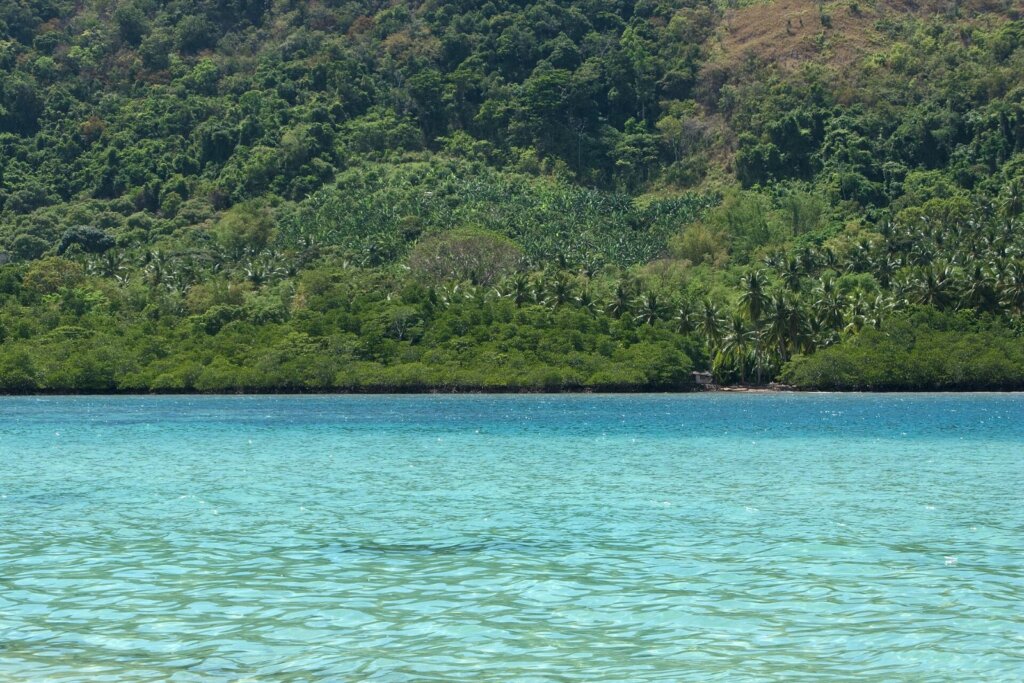
Between boat tours and sunset drinks, the best part of an El Nido trip can be doing almost nothing in a hammock. This guide focuses on hammock afternoons specifically for travelers on a slow-paced trip who want a comfortable, safe place to rest, read or nap. You will learn how to judge a spot, what to avoid, how tides and weather change the plan, what to pack and how to be a good guest when you borrow someone else’s shade.
- Why hammock time deserves a plan
- The safety checklist: what to look up, down and around
- Comparing common hammock settings
- Sun, heat and insects
- Weather, storms and when to get out
- What to pack for a hammock afternoon
- Hammocks with children, couples and groups
- Leave no trace: protecting the shoreline
- A sample rest-day schedule
- Etiquette: being a good guest
- Best times of day to hang out
- Frequently asked questions
Why hammock time deserves a plan
A hammock looks effortless, yet a poor setup can turn a relaxing hour into a sunburned, sandfly-bitten, slightly nervous one. Palm trees drop heavy coconuts, tides cover the sand you chose, afternoon showers arrive fast and the midday sun is fierce. A few minutes of preparation lets you relax without worrying. If you are building a calm itinerary around rest days, our two-week slow travel itinerary shows how to leave space for exactly this kind of afternoon.
Most hammocks you will use are provided by hotels, beach cafes or resorts, so the question is less about rigging and more about choosing where to lie. Treat this guide as a checklist for judging a spot before you climb in.
The safety checklist: what to look up, down and around
Look up for coconuts and dead fronds
Coconuts and heavy dry fronds can fall without warning. Avoid lying directly beneath a laden palm, and ask staff whether the trees are regularly trimmed. Many reputable properties clear them on a schedule, which is a good sign. If you notice fruit hanging directly above a hammock, choose another one.
Look down for tide lines and soft ground
Check the debris line on the sand to see how far the highest tide reaches, then look at the tide times for the day. A hammock that is dry at noon may be splashed at dusk. Soft or undercut ground near the waterline can also loosen supports.
Check the hardware
Inspect the rope, knots and anchor points. Frayed rope, rusted hooks or loose posts are red flags. Test the hammock gently with your weight low to the ground before settling in, and never swing hard. Keep children from climbing on the supports.
Comparing common hammock settings
| Setting | Shade | Main risk | Best time |
|---|---|---|---|
| Between palms on the beach | Good, patchy | Falling coconuts, high tide | Morning, late afternoon |
| Hotel garden or terrace | Good | Mosquitoes in evenings | Afternoon |
| Beach cafe or bar | Moderate | Noise, crowds | Mid-morning |
| Covered nipa hut | Excellent | Rain splash in storms | Midday |
| Boat deck during a tour | Limited | Motion, sun | Calm days only |
No setting is perfect, and the best choice often depends on the weather, the tide and your own comfort needs.
Sun, heat and insects
Shade moves through the afternoon, so a spot that is cool at 1 p.m. may be baking by 3. Choose a position with overhead cover that does not depend on the sun angle, and apply a reef-safe sunscreen even when you are in the shade, since reflected light from sand and water still burns. Wear a hat and keep water within reach.
Dusk brings biting insects. Use repellent on exposed skin; our comparison of DEET and picaridin helps you choose, and the guide to sandfly bites explains how to avoid itchy surprises near damp sand. A light long-sleeved shirt and a sarong are comfortable barriers; see our note on sarongs versus microfibre towels for what to bring.
Weather, storms and when to get out
Tropical weather can change quickly. Dark clouds, a sudden wind shift or distant thunder are signals to leave a hammock under trees and move indoors. Strong wind increases the risk of falling branches and flying objects, and lightning is dangerous in open areas. During the wetter months, check forecasts in the morning and keep an eye on the sky. Our typhoon season guide and the explainer on PAGASA wind signals help you understand when to stay inside. The weather agency publishes bulletins at pagasa.dost.gov.ph.
If you are caught outdoors by a shower, take shelter in a covered area rather than staying beneath trees. A short squall usually passes quickly, and a nipa hut is a pleasant place to wait it out.
What to pack for a hammock afternoon
A small kit makes the difference between a restful hour and a restless one. Bring a lightweight sarong or cover-up, a book or e-reader in a zip bag, a refillable water bottle, a hat, sunglasses, sunscreen and repellent. A compact dry bag keeps your phone and cash safe from sand and spray, and a small pillow or rolled towel adds comfort. If you want to bring your own hammock, choose a lightweight nylon model with tree-friendly straps, and ask permission before attaching it anywhere.
Leave valuables in your hotel when you can. Napping in public makes belongings an easy target, so keep only what you need, and place bags where you can see them. For ideas on other relaxed beach outings, see our guide to picnic spots and DIY beach lunches.
Hammocks with children, couples and groups
Hammocks are tempting for kids, but they need supervision. Young children can tip out, get tangled in ropes or swing into posts, so keep sessions short and stay within arm’s reach. Lower hammocks are safer than high ones, and a soft sandy landing is better than rock or concrete. Couples sharing a hammock should check the weight limit; if you are unsure, use two. Groups can take turns rather than overloading a single line, which also avoids stressing the anchor points.
For multi-generational travelers, a seat or lounge chair next to the hammock can be easier for older relatives who find getting in and out difficult. The goal is a relaxed experience for everyone, so choose the option that suits the least mobile person in the group and let others enjoy the hammock as an extra.
Leave no trace: protecting the shoreline
A beautiful beach stays beautiful because people look after it. Take your rubbish with you, avoid using single-use plastics and never break branches or dig up vegetation to make your spot more comfortable. The Department of Environment and Natural Resources shares conservation guidance at denr.gov.ph, and the Department of Tourism publishes responsible travel information at tourism.gov.ph. Respecting nesting areas, keeping noise low and leaving natural materials in place are small acts that add up across thousands of visitors.
If you notice litter, picking up a few pieces on the way back is a kind gesture. Local operators notice and appreciate it, and it keeps the place pleasant for the next person looking for a quiet afternoon in the shade.
A sample rest-day schedule
Start with a slow breakfast and a short morning walk while the air is cool. Return for a swim, then settle into a shaded hammock with a book and plenty of water. Have a light lunch, retreat indoors for the hottest hour, and come back for a late-afternoon rest. Finish with a sunset stroll, a simple dinner and an early night. A day like this lets your body recover from boat trips, early starts and sun exposure, and it often becomes the favourite day of the whole holiday. Build one into every few days of activity and you will return home actually rested.
Etiquette: being a good guest
Hammocks at cafes and hotels are provided for customers and guests. Order a drink or meal if you are using a cafe hammock, and ask staff before moving or adjusting anything. Do not tie your own line to a tree without permission; local trees often belong to someone and can be damaged by straps. Keep music low, share the space if others are waiting and take your rubbish with you.
If you notice a safety issue, mention it politely to staff rather than posting criticism online. They will usually fix it quickly and appreciate the warning. A friendly manner and a small tip for good service go a long way, particularly in a community where small businesses depend on goodwill.
Best times of day to hang out
Early morning is cool, quiet and perfect for reading as the light warms. Midday is hot and bright; choose deep shade or move indoors. Late afternoon is the sweet spot, with softer light, a gentle breeze and the possibility of an easy walk to a viewpoint afterwards. Check our list of sunrise spots if you want to combine a quiet morning hammock session with a short walk. Evenings are lovely too, but insects and darkness make hammocks less comfortable, so be ready to head inside.
Whichever time you choose, listen to your body. Hydrate, shift position, and take a break if you feel overheated. The point of a hammock afternoon is rest, not endurance.
Keep expectations gentle: a slow day is not a wasted day, and the best hammock spots are the ones where you simply forget to check your phone.
Frequently asked questions
Are hammocks in El Nido safe?
Most are, but check the ropes and anchors, avoid lying under coconuts, watch the tide and move indoors during storms or lightning.
Can I hang my own hammock on a beach?
Only with permission. Trees and posts usually belong to someone, and straps can damage them. Ask a property owner or use provided hammocks.
What is the best time for a hammock nap?
Late afternoon is often the most comfortable, with softer light and a cooler breeze. Early morning is also pleasant, while midday is usually too hot.
Do I need sunscreen in the shade?
Yes. Sand and water reflect UV light, so you can still burn in shade. Reef-safe sunscreen is the better choice for the marine environment.
How do I avoid mosquito and sandfly bites?
Use repellent, wear light long sleeves near dusk and avoid lying directly on damp sand where sandflies are active.