Japan’s year-end break (roughly Dec 29, 2026–Jan 3, 2027) overlaps El Nido’s busiest week, so book flights and rooms by October, plan a 5–6 night trip via Manila, watch hatsuhinode from an east-facing beach like Sibaltan, and expect fireworks, not osechi, on New Year’s Eve.
For many travelers from Japan, the year-end and New Year holidays — Oshogatsu — are the one guaranteed long break of the year. Swapping a cold winter for Palawan’s limestone islands is an appealing idea, but El Nido during this week is also at its most crowded and expensive. This guide focuses on Oshogatsu travel specifically for Japanese residents and expats in Japan planning a 5–7 day trip from Tokyo, Osaka or Nagoya over the 2026–2027 holiday.
Our unique angle: we map Japanese holiday customs — toshikoshi soba, hatsuhinode (the first sunrise), hatsumode (the first shrine visit) — onto what is actually possible in El Nido, so you can keep a little tradition alive while enjoying the beach. For route basics, also see our Tokyo to El Nido flights guide and Osaka (Kansai) to El Nido plan.
- Oshogatsu 2026–2027 Dates and Why They Matter
- Getting There from Japan
- Sample 6-Day Oshogatsu Itinerary
- Hatsuhinode: Where to See the First Sunrise
- New Year’s Eve in El Nido vs Japan
- Japanese Food and Comfort in El Nido
- Budget and Packing for a Japan-to-El Nido Holiday
- Weather, Crowds and Booking Strategy
- Key Takeaways
- Frequently Asked Questions
Oshogatsu 2026–2027 Dates and Why They Matter
Japanese government offices traditionally close from December 29 to January 3, and many companies follow a similar schedule, sometimes adding the preceding weekend. For the 2026–2027 season that means a typical break of Tuesday, December 29, 2026 to Sunday, January 3, 2027, with some workers starting on Saturday, December 26 for a nine-day window. Official national holidays are listed by Japan’s Cabinet Office; company calendars vary, so confirm yours.
The problem is that this window lands right on top of the Philippines’ own peak holiday period. Filipino families travel between Christmas and New Year, international visitors from Europe, Australia and Korea arrive at the same time, and El Nido hotels charge their highest rates of the year. Our Christmas and New Year guide explains the local side of the holiday rush.
Getting There from Japan
There are no direct flights from Japan to El Nido. The usual routes are:
- Japan → Manila → El Nido (Lio Airport, ENI): the fastest option. Fly Narita, Haneda, Kansai or Chubu to Manila (around four to five hours), then connect on a small-plane flight to El Nido. Seats on the El Nido leg are limited and sell out early for the holidays.
- Japan → Manila → Puerto Princesa (PPS) → van to El Nido: cheaper and with more seats, but the road transfer takes about five to six hours.
- Japan → Manila → Busuanga (Coron) → ferry to El Nido: a scenic combination if you want to visit Coron first, but ferries depend on the weather.
Japanese passport holders can generally enter the Philippines visa-free for short tourist stays; always confirm current rules with the Philippine Bureau of Immigration. You will also need to complete the online eTravel registration before arrival — see our eTravel how-to. Japan’s Ministry of Foreign Affairs overseas safety site is worth checking before you go.
Sample 6-Day Oshogatsu Itinerary
| Day | Date | Plan | Japanese tradition tie-in |
|---|---|---|---|
| 1 | Dec 29 (Tue) | Fly Japan → Manila; overnight near the airport or connect same day | Ōsōji (year-end clean) done before departure |
| 2 | Dec 30 (Wed) | Morning flight to El Nido; afternoon at a nearby beach, sunset in town | — |
| 3 | Dec 31 (Thu) | Island-hopping tour; early dinner of noodles; fireworks at midnight | Toshikoshi soba (noodle substitute) |
| 4 | Jan 1 (Fri) | Pre-dawn trip to an east-facing beach for the first sunrise; slow day | Hatsuhinode |
| 5 | Jan 2 (Sat) | Second tour or kayaking; quiet evening | Hatsumode-style visit to a local church or viewpoint |
| 6 | Jan 3 (Sun) | Fly El Nido → Manila → Japan | Back for work on Jan 4 |
If you only have the core six days, consider skipping the overnight in Manila and connecting the same day, but leave a buffer: holiday delays are common, and missing an international connection on January 3 is stressful. Our guide to cancelled boat tours also explains what happens if the sea is too rough.
Hatsuhinode: Where to See the First Sunrise
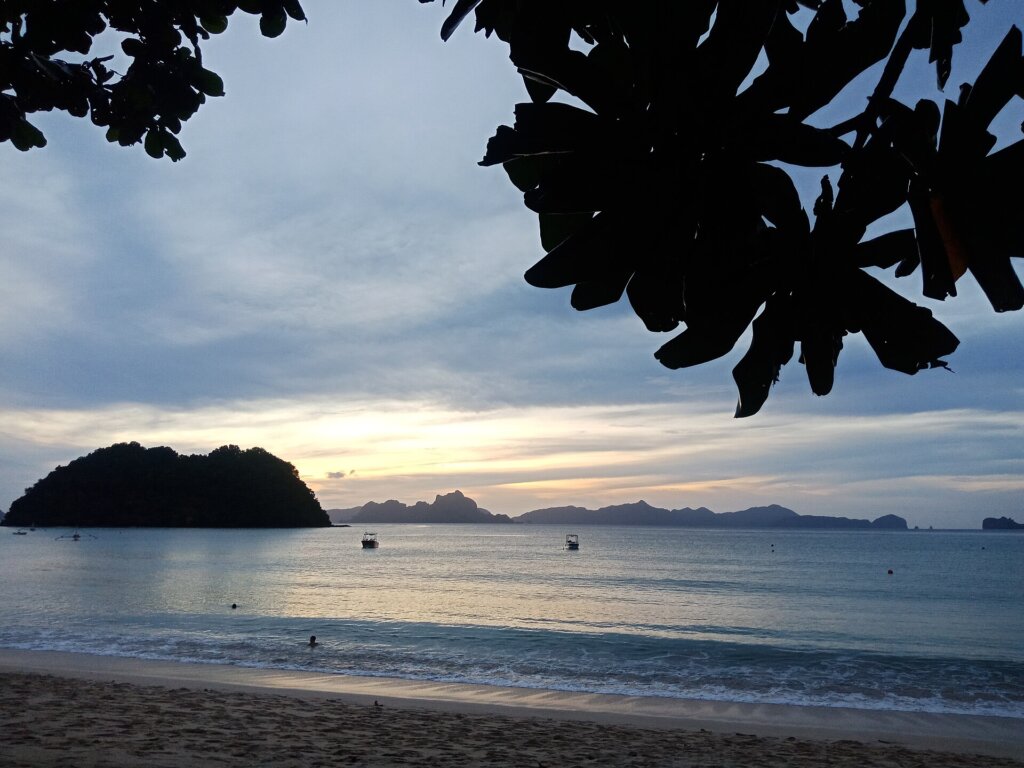
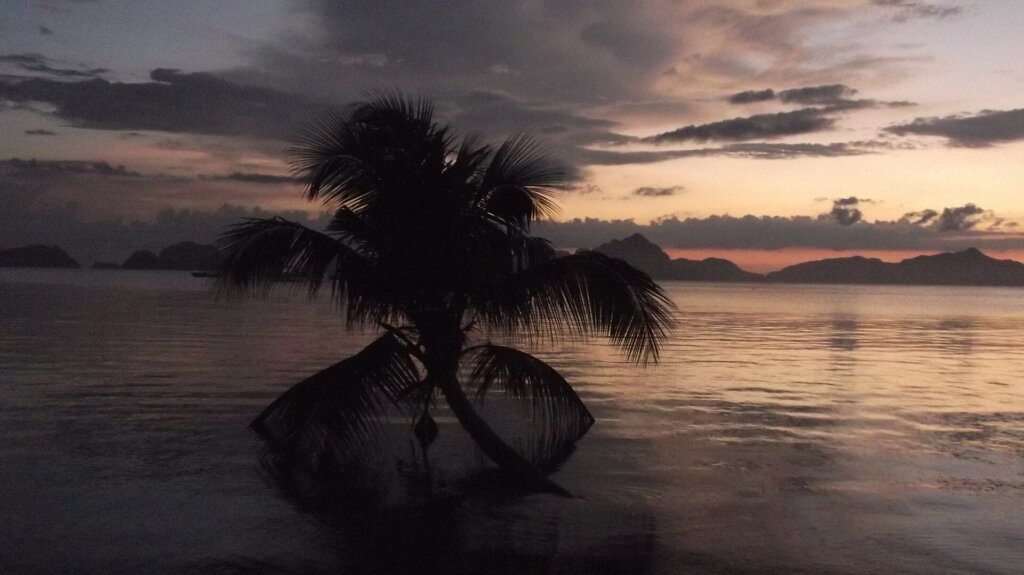
El Nido town faces west across Bacuit Bay, which makes it a sunset destination rather than a sunrise one. For hatsuhinode you need to head to the east side of the peninsula, where beaches look toward the open sea and the sun rises over the water. Sibaltan, on the east coast, is the classic option; its quiet beach and fishing-village atmosphere suit a calm New Year’s morning. Read our Sibaltan guide and our list of the best sunrise spots in El Nido for details.
Practical tips: book a tricycle, van or private driver the day before, because New Year’s Day transport is limited and drivers may have celebrated late. Sunrise in early January is roughly 6:15–6:30am locally; check exact times in our sunrise and sunset times by month. Bring a light jacket for the open-air ride — mornings can feel cool by Palawan standards during the northeast monsoon.
New Year’s Eve in El Nido vs Japan
If you are used to a quiet Japanese New Year’s Eve — Kōhaku on TV, temple bells (joya no kane) and a late-night shrine visit — El Nido will feel very different. The Philippines celebrates loudly: fireworks, music, family feasts (Media Noche) and beach parties continue past midnight. Many Filipinos wear polka dots and display round fruits for prosperity, a custom that may remind you of how Japan uses auspicious foods in osechi.
Restaurants often run set menus or special buffets on December 31, so reserve ahead. If you prefer calm, choose a hotel away from the town center, such as in Corong-Corong or further north, and watch the fireworks from a distance.
Japanese Food and Comfort in El Nido
Don’t expect osechi boxes or mochi for ozōni. El Nido has a few places serving sushi, ramen or Japanese-inspired dishes, but options are limited and quality varies — our Japanese food guide for El Nido lists what to expect and good substitutes. For toshikoshi soba, a bowl of Filipino pancit or a noodle soup like mami makes a fun local stand-in, and many visitors enjoy trying Philippine New Year dishes instead.
Comfort tips for Japanese travelers: bring your own instant miso or dashi packets if you crave them, pack a small electrical adapter (the Philippines mainly uses 220V with Type A/C sockets, which differs from Japan’s 100V — check your devices), and carry a little cash in pesos because some small businesses do not accept cards.
Budget and Packing for a Japan-to-El Nido Holiday
Holiday-week prices are the main thing that surprises first-time visitors. Use these rough 2026–2027 ranges for planning, and expect them to rise the later you book:
- Return flights Japan–Manila: often noticeably higher than in November, with low-cost carriers rising sharply for December 29 departures.
- Manila–El Nido return: small-plane fares are premium-priced; the Puerto Princesa route plus a shared van is the budget alternative.
- Hotels: mid-range rooms that cost a few thousand pesos in low season can double over New Year, and luxury island resorts publish festive packages with minimum stays.
- Tours: shared island-hopping tours keep similar prices, but private boats are in high demand and should be reserved in advance.
Packing tips for this specific trip: you are leaving winter, so wear layers to the airport and stash your coat in a carry-on compression bag. Bring reef-safe sunscreen, a rash guard, water shoes and a small dry bag for boat days, plus motion-sickness tablets if the amihan swell bothers you. A pocket Wi-Fi or local SIM is useful because New Year crowds can strain hotel Wi-Fi. Finally, keep digital and paper copies of your return booking: immigration officers sometimes ask for proof of onward travel, and having it ready keeps the queue moving when the airport is at its busiest.
Weather, Crowds and Booking Strategy
Late December and early January fall in the amihan (northeast monsoon) season. Days are usually warm (around 26–30°C), humidity is lower than in summer, and rain is less frequent, but strong winds can make the sea choppy and occasionally lead the Coast Guard to suspend boat trips. See our guide to which tours still run during amihan.
- Book flights by October, especially the El Nido connection from Manila.
- Book hotels early and read cancellation policies carefully; many properties impose minimum stays over New Year.
- Reserve island tours a few days ahead rather than on the day, and keep one flexible day in case of weather cancellations.
- Check last-minute options if you are late: our last-minute December booking guide can help.
Key Takeaways
- Japan’s 2026–27 year-end break (about Dec 29–Jan 3) coincides with El Nido’s peak week, so book flights and rooms early.
- Fly via Manila; the direct El Nido connection is fastest, while Puerto Princesa plus a 5–6 hour van is cheaper.
- El Nido town faces west, so go to east-facing Sibaltan for hatsuhinode on January 1.
- Expect loud fireworks and Media Noche feasts instead of a quiet Japanese New Year’s Eve.
- Bring your own miso or dashi, a power adapter for 220V and some pesos in cash.
- Keep one buffer day for amihan-season boat cancellations.
Frequently Asked Questions
Is El Nido a good place for Oshogatsu?
Yes, if you want warm weather and island scenery over the Japanese New Year break. Be prepared for peak-season crowds and prices, and book flights and accommodation several months ahead.
How do I get from Japan to El Nido?
Fly from Tokyo, Osaka or Nagoya to Manila, then take a domestic flight to El Nido’s Lio Airport, or fly to Puerto Princesa and continue by van for about five to six hours.
Where can I see the first sunrise (hatsuhinode) in El Nido?
Head to the east coast, especially Sibaltan, because El Nido town faces west and is better for sunsets. Arrange transport the day before.
Can I find Japanese food in El Nido during New Year?
A few restaurants serve sushi or ramen, but there is no osechi. Many travelers bring instant miso and enjoy Filipino noodle dishes as a toshikoshi soba substitute.
Will boat tours run on January 1?
Many tours operate on New Year’s Day, but schedules can be reduced and weather may cause cancellations during the amihan season. Book ahead and keep a flexible day.
About the Author
This guide was compiled by the El Nido Hotels Ranking editorial team, with input from local operators and ongoing on-the-ground updates.