
El Nido in March 2026: Weather, Crowds, Activities & Why It’s One of the Best Months
March is one of El Nido’s finest months to visit — and one of its most underappreciated. While December and January get the most attention as “peak season,” March offers nearly identical weather with subtly fewer crowds, warmer water, and a dry-season light that photographers prize for its golden, slightly hazy quality. If you have the flexibility to choose your month, March deserves serious consideration. This guide covers everything you need to know about visiting El Nido in March 2026.
March Weather in El Nido
| Factor | March Conditions |
|---|---|
| Season | Late dry season (Amihan); transitioning toward hot season |
| Average air temperature | 28–33°C (82–91°F); noticeably warmer than Dec–Jan |
| Average sea temperature | 28–30°C — pleasantly warm; no wetsuit needed |
| Rainfall | Very low — typically 20–40mm for the month; occasional brief shower |
| Humidity | Moderate-high and rising; still comfortable with sea breeze |
| Wind | NE Amihan weakening; light breezes; increasingly calm seas |
| Sea conditions | Excellent — very calm by late March; ideal for all tours |
| Underwater visibility | Outstanding — 25–35m; among the best of the year |
| Sunset time | ~6:05–6:15 PM |
March weather in El Nido is reliably excellent. Rain is rare and brief when it does occur. The Amihan (northeast trade wind) is weakening by mid-March, which means the seas become progressively calmer — ideal conditions for all four island hopping tours and for open-water activities like diving and sailing. The main weather nuance is increasing heat, which makes midday rest and morning activity scheduling more important than in cooler December–February.
How March Compares to Other Months
| Month | Weather | Crowds | Prices | Overall |
|---|---|---|---|---|
| December | ⭐⭐⭐⭐⭐ | Very high | Peak | Excellent but expensive and crowded |
| January | ⭐⭐⭐⭐⭐ | Very high | Peak | Best weather; busiest month |
| February | ⭐⭐⭐⭐⭐ | High | High | Excellent — Valentine’s period popular |
| March | ⭐⭐⭐⭐⭐ | Medium-high | High (slight drop vs. Jan) | Outstanding — sweet spot month |
| April | ⭐⭐⭐⭐ | Medium | Moderate | Very good; hot but less crowded |
| May | ⭐⭐⭐ | Low | Low-moderate | Good deals; weather transitioning |
March hits a sweet spot: the weather quality of January without quite January’s crowds, and warmer water than the early dry season months. It’s particularly good for divers — the visibility in March is exceptional, and the warming water brings manta rays into the area (they follow the plankton blooms that build as the dry season matures).
Crowds in March
March is busy — but notably less so than December and January. The key variables:
- Holy Week (Semana Santa): If Easter falls in late March (it does in some years — check the 2026 calendar), Holy Week brings a surge of domestic Filipino tourists to Palawan. This is the Philippines’ most popular domestic travel period. El Nido gets significantly busier during Semana Santa — accommodation fills up, tours are booked out, and popular lagoons are crowded. Book everything well in advance if your March visit coincides with Holy Week.
- Non-Semana Santa March: Noticeably less crowded than January. Popular lagoons (Big Lagoon, Small Lagoon) are busy at peak times (10 AM–2 PM) but manageable. Early departures (7–8 AM) give you meaningful solitude even at popular sites.
- International tourists: March sees European spring breakers and Australian university students on holiday — the social atmosphere at hostels and bars is lively.
Best Activities in March
Island Hopping (All Tours — Ideal Conditions)
March’s calm, warm seas make all four island hopping tours excellent. Tour C (Helicopter Island, Hidden Beach, Matinloc) — which involves longer open-water crossings and is sometimes affected by chop in earlier dry-season months — runs smoothly in March’s calm conditions. If you’ve been deliberating which tour to prioritise, March is the month to do Tour C.
→ See our El Nido Island Hopping Complete Guide
Scuba Diving — Manta Ray Season
March is one of the best months for manta ray encounters in El Nido. Mantas follow the plankton-rich upwelling currents that build in the late dry season. Sites on the outer archipelago — particularly in the direction of Tubbataha — see increased manta activity from February through April. Ask local dive operators which sites are currently producing manta sightings; this information changes weekly.
Visibility in March is typically 28–35m — among the clearest of the year. Excellent conditions for underwater photography.
→ See our El Nido Diving Guide
Nacpan Beach
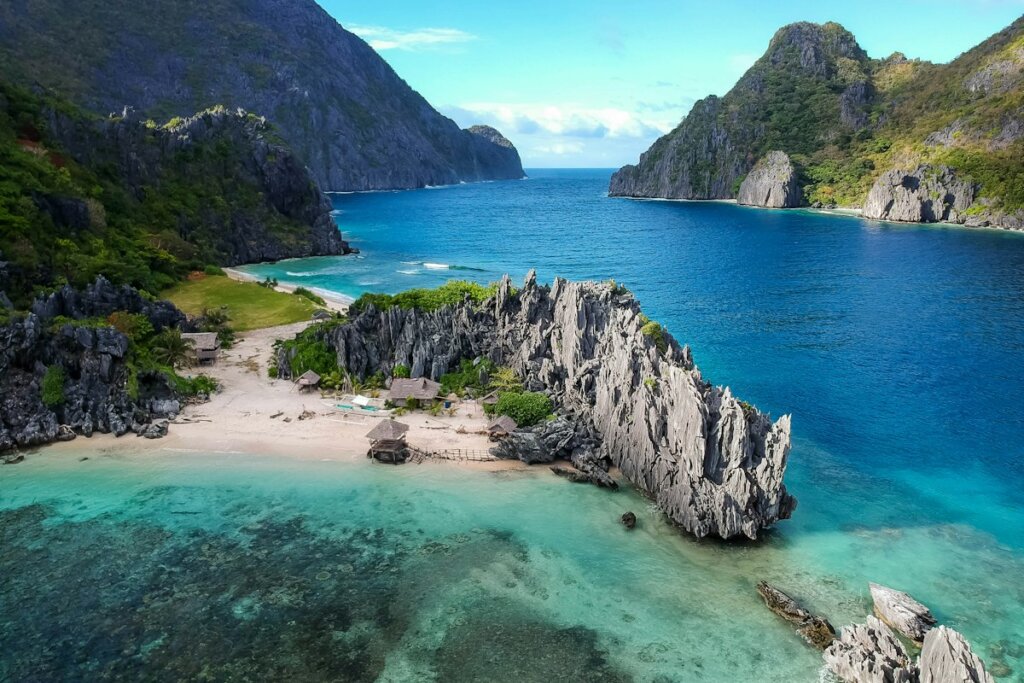
In March, Nacpan Beach is at its most picturesque — deep blue sky, vivid green palms, white sand, calm gentle surf. The beach is long enough that even in shoulder-peak crowds it never feels overcrowded. A full day here (early van, swim, fresh seafood lunch, afternoon reading, sunset drive back) is one of El Nido’s best experiences and particularly rewarding in March conditions.
Sailing Charters
The weakening Amihan in March creates ideal sailing conditions for those who prefer lighter wind — enough breeze to sail comfortably under canvas without the stronger chop of January’s more energetic trade wind. March is excellent for multi-day sailing trips toward Coron or the outer Linapacan Islands.
→ See our El Nido Sailing Charter Guide
Photography
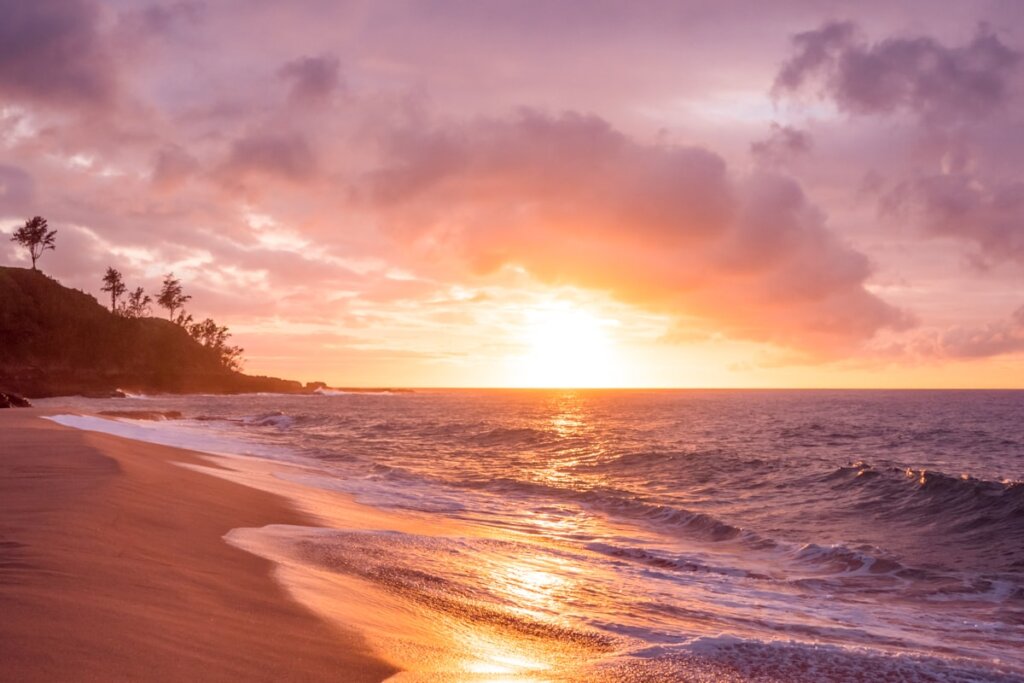
March light has a particular quality that photographers love — slightly warmer and hazier than the crisp January light, it gives a golden, almost honey-toned quality to the limestone karst photographs. Sunrise at Corong-Corong lagoon and sunset from Taraw Cliff in March are extraordinary. The heat haze on the horizon at sunset produces spectacular colour gradients.
→ See our El Nido Photography Guide
March Prices in El Nido
| Category | March Price Range | vs. January |
|---|---|---|
| Budget hostel dorm | ₱700–₱1,000/night | Similar or slightly lower |
| Midrange private room | ₱2,500–₱4,500/night | 5–15% lower than January peak |
| Luxury resort | ₱12,000–₱35,000+/night | Similar; some promotions available |
| Shared island hopping tour | ₱1,200–₱1,800/person | Same year-round |
| Private bangka charter | ₱4,000–₱7,000/boat | Same year-round |
| AirSWIFT flights (Manila–Lio) | ₱4,500–₱9,000 one way | Can be lower than Dec–Jan if booked early |
Tour and activity prices are fixed year-round, but accommodation shows modest softening in March vs. the January–February peak. Booking 6–10 weeks ahead secures the best rooms at reasonable rates.
What to Pack for March
- Light, breathable clothing — March heat (28–33°C) demands loose, quick-dry fabrics; cotton is comfortable but slow to dry after swimming
- High-SPF reef-safe sunscreen — the March sun is intense; reapply every 2 hours on the water
- Polarised sunglasses — glare off calm water is significant in March’s clear skies
- Rash guard — for snorkeling; the sun on your back in March is strong even in the water
- Lightweight hat — wide-brimmed; essential on bangka boats with limited shade
- Dry bag — for camera, phone, and valuables on boats
- Insect repellent — evenings on shore; mosquito activity increases with warmth
- Light rain layer — occasional brief shower; a packable windbreaker doubles as rain protection
Sample 5-Day March Itinerary
Day 1: Arrive via AirSWIFT; settle in; evening at Corong-Corong for sunset; night market dinner
Day 2: Early private Tour A (Big Lagoon, Small Lagoon, Secret Lagoon, Shimizu snorkel) — depart 7 AM to beat the crowd; Las Cabanas sunset
Day 3: Diving day — 2-tank dive trip to outer reef (ask operator about manta ray sites); afternoon rest; Craft Brewery evening
Day 4: Nacpan Beach day trip — private van north; full day swimming, lunch, hammock; motorbike option for the adventurous
Day 5: Private Tour C (Helicopter Island, Hidden Beach, Matinloc) in March’s ideal calm conditions; sunset sailing charter to close the trip
Related Monthly Guides
- El Nido in February
- El Nido in April
- El Nido in May
- El Nido Island Hopping Complete Guide
- El Nido Diving Guide
March in El Nido is the dry season at its most mature and golden — warm, calm, vivid, and slightly quieter than the January rush. For many travelers, it’s the best month of all.