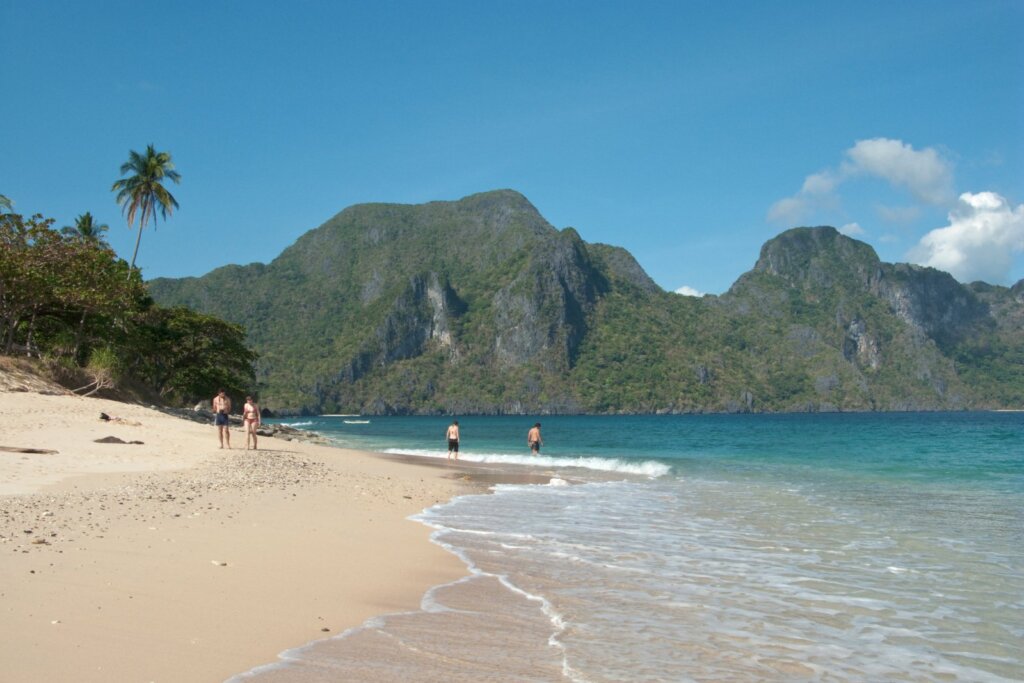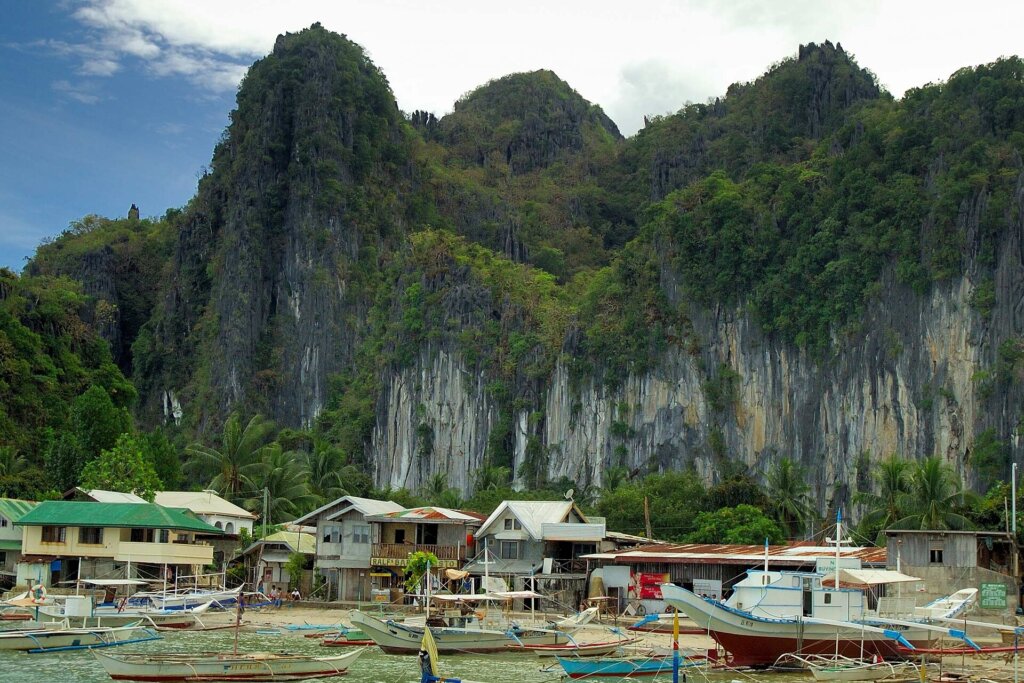

El Nido’s postcard views come with a price that few guides mention: long hours on an open boat under an equatorial sun, followed by humid nights that make it hard to recover. Sunburn and mild heat exhaustion are among the most common reasons visitors lose a day of their trip. This guide focuses specifically on heat and sun safety for island-hopping days and first-timers from cooler climates — how strong the UV really is, how much to drink, the warning signs of heat illness, and a practical daily routine that keeps you on the boats rather than in bed.
- How Hot and Sunny Does El Nido Actually Get?
- Why Island-Hopping Days Are the Riskiest
- Sun Protection That Actually Works on the Water
- Hydration: How Much to Drink and What
- Recognising Heat Illness: Warning Signs and What to Do
- A Heat-Smart Daily Routine for El Nido
- Extra Precautions for Kids, Older Travellers and Medication Users
- Frequently Asked Questions
How Hot and Sunny Does El Nido Actually Get?
El Nido has a tropical climate with warm temperatures all year. Daytime highs typically sit around 30–33°C, with the hottest, driest stretch usually from March to May. Humidity is high year-round, which raises the “feels like” temperature well above the thermometer reading. The Philippine weather agency PAGASA publishes heat index forecasts, and during peak summer the heat index in many parts of the country can reach levels classed as “extreme caution” or higher.
UV is the bigger hidden risk. At roughly 11° north of the equator, the sun is high overhead for much of the year, and the UV index around midday regularly reaches “very high” to “extreme” levels on clear days. Water, white sand and a boat’s fibreglass deck all reflect UV back at you, so shade from a hat alone is not enough. Even on overcast rainy-season days, UV can still burn — something many visitors discover the hard way. Check our rainy season guide if you are visiting between June and October.
| Period | Typical daytime feel | Main sun/heat risk | Priority |
|---|---|---|---|
| December–February | Warm, breezier, lower humidity | Sunburn on long boat days | Sunscreen and cover-ups |
| March–May | Hottest and driest | Heat exhaustion, dehydration, severe sunburn | Hydration, shade breaks, early starts |
| June–August | Hot, humid, showers | Burn on cloudy days, sweat loss | Reapply sunscreen, electrolytes |
| September–November | Humid, variable, some storms | Heat plus fatigue from rough seas | Rest, fluids, check forecasts |
Why Island-Hopping Days Are the Riskiest
A standard Tour A or Tour C lasts six to eight hours. You spend much of that time on an open bangka, snorkelling face-down with your back exposed, and lying on beaches between stops. Several factors stack up:
- Long uninterrupted exposure. Unlike a city day, there is little indoor shade to duck into.
- Snorkelling burns. The backs of your legs, shoulders and neck are exposed and cooled by water, so you do not feel them burning until evening.
- Sunscreen washes off. Even water-resistant sunscreens lose effectiveness after swimming and towel drying.
- Limited drinking water. Tours usually provide lunch and some water, but amounts vary, and many people underestimate how much they sweat.
- Alcohol at lunch. A beer on the beach feels great but increases fluid loss.
If you are prone to seasickness too, dehydration can make nausea worse; our seasickness guide has tips for combining both.
Sun Protection That Actually Works on the Water
The most effective sun protection is physical cover, with sunscreen as a backup rather than the main defence.
Clothing and cover-ups
- Long-sleeve rash guard. The single best purchase for El Nido. It protects shoulders and back while snorkelling and dries fast.
- Leggings or board shorts. Protect the backs of the legs, the most common burn area for snorkelers.
- Wide-brim hat with a chin strap. Boat breezes blow ordinary caps away.
- Polarised sunglasses. Reduce glare off the water and protect your eyes.
Sunscreen
Use a broad-spectrum, high-SPF, water-resistant sunscreen and apply it generously 15–30 minutes before exposure. Reapply at least every two hours and after every swim. Several protected areas in the Philippines encourage or require reef-friendly formulas; see our reef-safe sunscreen guide for what to buy and where. Do not forget ears, the back of the neck, tops of feet and the parting in your hair.
The World Health Organization’s UV index guidance recommends seeking shade and using full protection when the index is 8 or above, which is common around midday in El Nido.
Your heat-and-sun day bag checklist
- Reusable water bottle (1–1.5 L) plus electrolyte sachets
- Reef-friendly sunscreen and SPF lip balm
- Long-sleeve rash guard and a light cover-up
- Wide-brim hat with strap and polarised sunglasses
- Small quick-dry towel you can wet to cool your neck
- Dry bag to keep phone and medications out of the sun
Hydration: How Much to Drink and What
There is no single number that suits everyone, but active travellers in hot, humid conditions often need considerably more fluid than at home. A practical approach:
- Start hydrated. Drink a large glass of water with breakfast before the boat leaves.
- Carry your own supply. Bring at least 1–1.5 litres of your own water on tour days, in addition to what the boat provides.
- Add electrolytes. Oral rehydration salts or electrolyte tablets, available at pharmacies in town, replace the salt you sweat out. Coconut water from beach vendors is a pleasant alternative.
- Watch your urine. Pale straw colour is the goal; dark yellow means you need more fluid.
- Limit alcohol and heavy caffeine during the hottest hours.
Tap water in El Nido is not generally recommended for drinking. Refill stations in town sell purified water cheaply, and many guesthouses offer refills — a good way to cut plastic waste too.
Recognising Heat Illness: Warning Signs and What to Do
Heat illness exists on a spectrum. Catching it early is simple; ignoring it can become an emergency. The CDC’s heat and health resources describe the main stages, summarised below.
| Condition | Common signs | What to do |
|---|---|---|
| Heat cramps | Painful muscle spasms, heavy sweating | Stop activity, move to shade, sip water or electrolytes |
| Heat exhaustion | Heavy sweating, cold clammy skin, dizziness, nausea, headache, weakness | Shade, loosen clothing, cool wet cloths, sip fluids; seek help if vomiting or not improving within an hour |
| Heat stroke | High body temperature, hot red skin, confusion, fainting, fast pulse | Emergency: call for medical help, cool the person immediately with water and shade, do not give drinks if confused |
| Severe sunburn | Blistering, fever, chills | Stay out of sun, cool compresses, fluids; see a doctor for large blistered areas |
On a boat, tell your guide straight away if you or a companion shows these signs. Guides deal with this regularly and can move you into shade or head back early. For clinics and hospitals, see our El Nido medical and health guide, and for supplies such as aloe vera, paracetamol and rehydration salts, the first aid and pharmacy guide.
A Heat-Smart Daily Routine for El Nido
Small scheduling choices make a big difference. Here is a routine that works well for most visitors:
- Early morning (6–9 a.m.): Do your most strenuous activity — the Taraw Cliff climb, a viewpoint hike or a run along the beach — while it is cooler. Many hikers aim to finish before 9 a.m.
- Mid-morning to mid-afternoon: Island hopping is fine, but maximise shade on the boat between stops and keep the rash guard on.
- Midday on land days: Retreat to a café, your room or a shaded beach bar. This is a good time for a massage or a long lunch.
- Late afternoon: The heat eases and the light is beautiful. Head to Las Cabañas or Marimegmeg for sunset.
- Evening: Rehydrate with water and a salty meal before any drinks, and apply aloe or moisturiser to sun-exposed skin.
Heat-friendly eating
What you eat affects how you handle the heat. Lighter meals digest more easily in hot weather, and salty foods help replace sodium lost through sweat. Grilled fish, rice, fresh fruit such as mango, watermelon and pineapple, and soups like sinigang are all good choices. Heavy, greasy meals right before a boat trip can worsen both heat fatigue and seasickness. Fresh buko (young coconut) is sold on many beaches and is one of the most refreshing ways to rehydrate between snorkel stops.
If you are planning a hike, the Taraw Cliff guide covers timing and what to bring.
Extra Precautions for Kids, Older Travellers and Medication Users
Some groups are more vulnerable to heat:
- Young children heat up faster and may not tell you they are thirsty. Offer drinks regularly, use UV swimsuits and keep them in shade during midday. See the family travel guide.
- Older travellers may feel thirst less and recover more slowly. Plan shorter tour days and more rest; our seniors guide suggests gentler itineraries.
- People on certain medications — including some blood-pressure drugs, diuretics and antihistamines — can be more sensitive to heat or sun. Some antibiotics and acne treatments increase photosensitivity. Ask your doctor or pharmacist before you travel.
- Pregnant travellers should be especially cautious with heat and sun and talk to their healthcare provider about travel plans.
This guide is general information, not medical advice. If you have a health condition, consult a professional before your trip.
Frequently Asked Questions
What is the hottest month in El Nido?
The hottest and driest period is usually March to May, with April and May often the most intense. Humidity makes it feel hotter than the thermometer suggests.
Can you get sunburned in El Nido on a cloudy day?
Yes. UV passes through light cloud, and reflection from water and sand adds to exposure. Wear sunscreen and a rash guard even when it is overcast.
How much water should I bring on an island-hopping tour?
Bring at least 1 to 1.5 litres of your own water in addition to what the boat provides, and add electrolyte tablets or oral rehydration salts on hot days.
Where can I buy rehydration salts and aloe vera in El Nido?
Pharmacies and larger convenience stores in El Nido town sell oral rehydration salts, electrolyte drinks, paracetamol and after-sun aloe gel.
What are the signs of heat stroke?
High body temperature, hot red skin, confusion, fainting and a fast pulse. It is a medical emergency: cool the person immediately and get medical help.