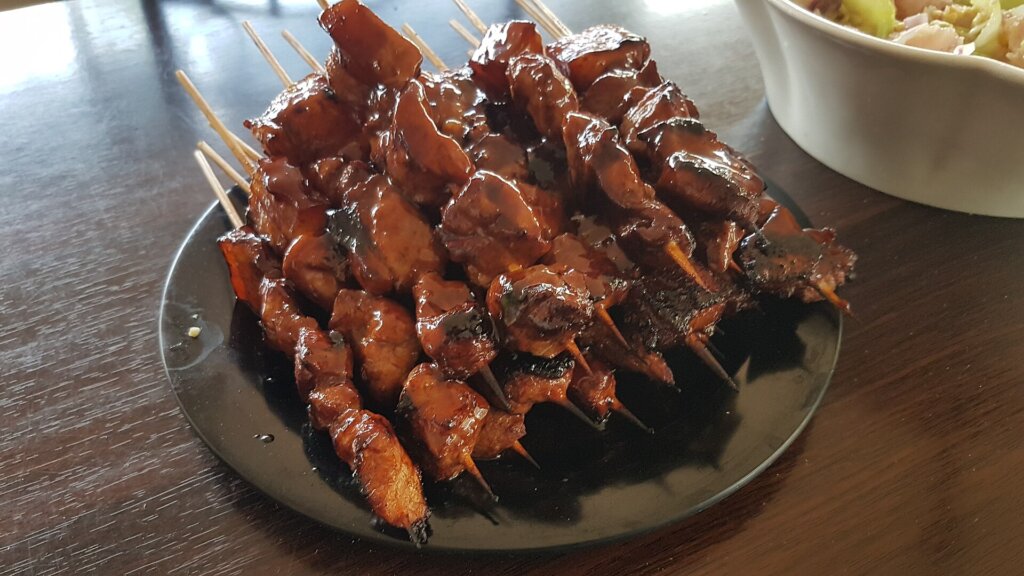
TL;DR: The best tuna dishes to try in El Nido are kinilaw (vinegar-cured raw tuna), grilled tuna panga (jaw), and sinigang na tuna; order them at seafood grills or have market-bought tuna cooked paluto-style for the freshest, cheapest plate.
Most visitors arrive in El Nido thinking about lagoons and limestone, then discover that dinner is half the fun. Palawan sits next to some of the richest fishing grounds in the Philippines, and tuna, especially yellowfin, shows up on menus everywhere from beachside grills to family-run carinderias. This guide focuses on tuna specifically for food-curious travelers and seafood lovers who want to know what to order, what it should cost, and how to tell a fresh plate from a tired one.
Our unique angle: instead of ranking restaurants (menus and owners change every season), we rank the dishes and explain how each one is made, so you can order confidently anywhere in town, at a resort, or even on an island-hopping boat lunch.
- Why Tuna Is Everywhere in El Nido
- 7 Tuna Dishes to Try in El Nido
- Tuna Dish Comparison: Price, Style and Best For
- Where to Eat Tuna: Restaurants vs Paluto vs Boat Lunch
- How to Tell If Tuna Is Fresh
- Health and Sustainability Notes
- Ordering Tips for First-Timers
- Key Takeaways
- Final Thoughts
- Frequently Asked Questions
Why Tuna Is Everywhere in El Nido
The Philippines is one of the world’s major tuna producers, with General Santos City in Mindanao famous as the country’s “Tuna Capital.” Palawan’s waters add a steady local supply of yellowfin, skipjack and smaller tuna relatives caught by municipal fishers using hook-and-line and small boats. In El Nido, that means tuna is often landed the same morning it is served, and cooks have generations of recipes designed to show off very fresh fish.
You will hear several local names. Tambakol and bariles are common Filipino names for yellowfin, while tulingan usually refers to smaller bullet or frigate tuna that is braised or stewed rather than eaten raw. If a menu just says “tuna,” it is almost always yellowfin. For the wider picture of what is in season, see our El Nido seafood seasons guide.
7 Tuna Dishes to Try in El Nido
1. Tuna Kinilaw
Kinilaw is the Philippines’ answer to ceviche: cubes of raw tuna “cooked” in cane or coconut vinegar with calamansi, ginger, red onion, chili and sometimes cucumber or coconut cream. Good kinilaw is bright, sharp and cold, with firm, translucent-pink fish. It is the single best test of a kitchen’s tuna, because there is nowhere to hide old fish. Our kinilaw spots guide covers where locals order it.
2. Grilled Tuna Panga (Jaw)
The tuna jaw, or panga, is the bony collar section behind the head. It is marinated in soy, calamansi and garlic, then grilled over charcoal until the edges caramelize. The meat near the bone is rich and juicy, closer to tuna belly than to steak. One panga usually feeds two to three people with rice, making it ideal for sharing.
3. Sinigang na Tuna
Sinigang is the national comfort soup: a sour tamarind broth with kangkong (water spinach), radish, eggplant, tomato and long green chili. Tuna head or belly versions are richer than pork sinigang and are perfect after a long, salty day on the boat or on a rainy-season evening.
4. Tuna Steak with Garlic Rice
The tourist-friendly classic. Expect a thick slab of yellowfin, either seared rare or cooked through, served with garlic rice and a simple salad. Ask for it “medium rare” if you like it pink; many kitchens default to well-done, which can make lean tuna dry.
5. Tuna Sisig
Sisig is normally made from chopped pork, but seafood grills often offer a tuna version: diced tuna sizzled on a hot plate with onions, chili, calamansi and sometimes mayonnaise or egg. It is a great beer snack and a lighter alternative to pork sisig.
6. Tuna Belly Inihaw
Inihaw means grilled. Tuna belly is the fattiest cut and the most prized for grilling; it stays moist even when cooked through. Pair it with a dipping sauce of soy, vinegar, calamansi and chili (sawsawan), which you mix to your own taste at the table.
7. Paksiw or Ginataang Tulingan
For a truly home-style dish, look for smaller tuna (tulingan) simmered in vinegar and garlic (paksiw) or in coconut milk (ginataan). These are carinderia and family-table staples rather than restaurant showpieces, and they are usually the cheapest tuna meal in town.
Tuna Dish Comparison: Price, Style and Best For
| Dish | Style | Typical price range (PHP, approx.) | Best for |
|---|---|---|---|
| Tuna kinilaw | Raw, vinegar-cured | 250–450 per plate | Testing freshness, light lunch |
| Grilled tuna panga | Charcoal-grilled collar | 350–700 depending on size | Sharing with 2–3 people |
| Sinigang na tuna | Sour tamarind soup | 300–550 | Rainy evenings, comfort food |
| Tuna steak | Seared or grilled slab | 350–650 | First-timers, picky eaters |
| Tuna sisig | Sizzling plate | 250–400 | Bar snack with beer |
| Paksiw / ginataang tulingan | Home-style stew | 80–180 at carinderias | Budget travelers, local flavor |
Prices are rough 2026 ranges observed across town restaurants and carinderias; resort restaurants can charge considerably more. Always check the menu or ask before ordering anything sold “by weight.”
Where to Eat Tuna: Restaurants vs Paluto vs Boat Lunch
Town restaurants and seafood grills along the main streets and beachfront are the easiest option, with English menus and fixed prices. Quality varies, so use the freshness checks below.
Paluto (literally “cook it for me”) is the local hack: buy a fresh tuna steak or panga at the public market, then pay a nearby eatery a cooking fee to grill, stew or kinilaw it. It is usually cheaper and fresher than ordering off a menu. Our paluto guide explains the process step by step, and the public market prices guide lists current per-kilo ranges.
Island-hopping boat lunches often include grilled fish, sometimes tuna, cooked by the crew on a beach. It is simple but memorable. If you want tuna specifically, ask your operator when booking; some private tours let you supply your own market-bought fish.
Night markets and street food are better for skewers and grilled squid than for tuna, but occasionally you will find tuna barbecue sticks. Browse our night market street food guide for what is typical.
How to Tell If Tuna Is Fresh
- Color: Raw yellowfin should be deep red to bright pink and slightly translucent. Brown, dull or rainbow-sheened flesh is a warning sign.
- Smell: Fresh tuna smells clean, like the sea. A strong “fishy” or sour smell means it is past its best.
- Texture: Firm and springy, not mushy or watery. Kinilaw cubes should hold their shape.
- Timing: Order kinilaw at lunch or early dinner, when the day’s catch is freshest, rather than late at night.
- Busy kitchens: High turnover means fresher stock. A packed local eatery is usually a better bet than an empty one.
Health and Sustainability Notes
Large predatory fish, including some tuna species, can accumulate mercury. Health authorities such as the U.S. FDA recommend that pregnant travelers and young children choose lower-mercury fish and limit portions of larger tuna. For most adults, a few tuna meals during a holiday are not a concern.
Raw dishes like kinilaw carry a small food-safety risk. If you have a sensitive stomach, eat raw fish only where turnover is high and avoid it on hot afternoons when fish may have been sitting out.
On sustainability, the Philippines’ Bureau of Fisheries and Aquatic Resources (BFAR) manages tuna fisheries, and groups such as WWF-Philippines have supported handline yellowfin projects that favor small-scale, selective fishing. Hook-and-line caught tuna from municipal fishers is generally the better choice. Avoid ordering very small juvenile tuna when you can, and skip anything marketed as an endangered species.
Ordering Tips for First-Timers
- Say “medium rare po” for tuna steak if you want it pink; “po” is a polite particle.
- Ask “Sariwa ba?” (“Is it fresh?”) at the market. Vendors will often show you the fish or let you smell it.
- Order kinilaw as a shared starter and a grilled dish as a main to compare raw and cooked styles.
- Bring cash; many smaller eateries do not take cards. Our must-try Filipino food guide has more ordering vocabulary.
Key Takeaways
- Kinilaw is the best freshness test and the most iconic tuna dish to try in El Nido.
- Grilled tuna panga is the best value for groups of two to three people.
- Paluto (market fish cooked by an eatery) is usually the cheapest and freshest way to eat tuna.
- Eat raw tuna earlier in the day and at busy kitchens to reduce food-safety risk.
- Choose hook-and-line caught yellowfin and limit large-tuna portions if pregnant.
Final Thoughts
Tuna is one of the simplest ways to taste Palawan. Start with a plate of kinilaw, share a grilled panga with friends, and try at least one home-style stew at a carinderia. Between the market, the grills and the boats, you can eat tuna a different way every day of your El Nido trip without repeating yourself.
Frequently Asked Questions
What is the most famous tuna dish in El Nido?
Tuna kinilaw, raw tuna cured in vinegar with calamansi, ginger, onion and chili, is the most iconic. Grilled tuna panga (jaw) is a close second for groups.
Is it safe to eat raw tuna kinilaw in El Nido?
Generally yes at busy restaurants with high turnover. Eat it at lunch or early dinner, check that the fish is firm and bright red, and skip it if you are pregnant or have a sensitive stomach.
How much does a tuna meal cost in El Nido?
Expect roughly PHP 250–450 for kinilaw, PHP 350–700 for grilled panga and PHP 80–180 for home-style tuna stews at carinderias. Resort restaurants charge more.
Can I buy tuna at the market and have it cooked?
Yes. This is called paluto. Buy fresh tuna at the public market and pay a nearby eatery a cooking fee to grill it, make sinigang or prepare kinilaw.
What is tuna panga?
Panga is the tuna jaw or collar, a rich, bony cut that is marinated and grilled over charcoal. One piece usually feeds two to three people.
About the Author
This guide was compiled by the El Nido Hotels Ranking editorial team, with input from local operators and ongoing on-the-ground updates.