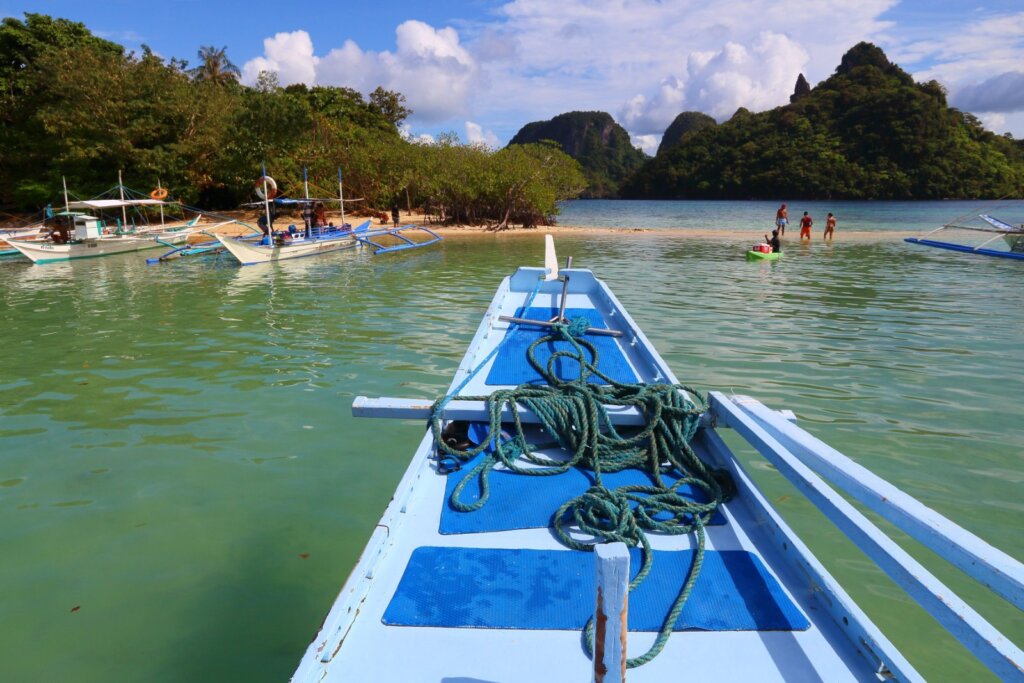
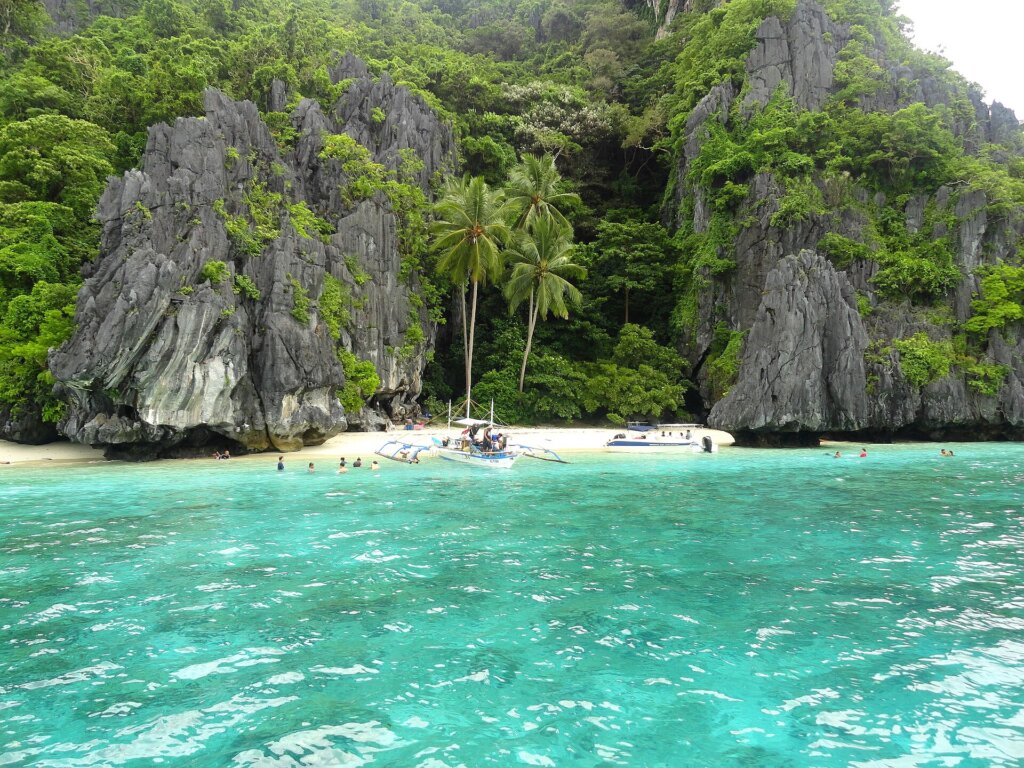
TL;DR: If a lagoon is closed or fully booked on your tour day, operators normally swap in another site on the same route rather than refund; confirm the swap policy in writing when you book and keep one flexible day in your plan.
Few things frustrate El Nido visitors more than booking Tour A for Big Lagoon and then hearing on the boat that “the lagoon is closed today.” Lagoons inside the El Nido-Taytay protected area are managed with visitor caps, time slots and occasional rehabilitation closures, and bad weather can shut routes at short notice.
This guide focuses on lagoon closures and tour swaps specifically for travellers with a short stay who cannot afford to lose their one big lagoon day. Our unique angle is practical: a step-by-step process for checking status, negotiating a fair swap and protecting your plan, rather than another description of how beautiful the lagoons are.
- Why El Nido Lagoons Close or Get Swapped
- Common Swaps by Tour
- Step-by-Step: How to Protect Your Lagoon Day
- Shared Tours vs Private Boats When Lagoons Close
- When the Whole Tour Is Cancelled
- Smart Alternatives if Your Lagoon Is Off-Limits
- Timing Tips to Reduce Swap Risk
- Five Real-World Scenarios and What to Do
- A Simple Booking Message You Can Copy
- Key Takeaways
- Frequently Asked Questions
Why El Nido Lagoons Close or Get Swapped
The lagoons sit inside the El Nido-Taytay Managed Resource Protected Area, which is overseen by the national environment department and a local management board. Rules shift from season to season, but closures and swaps usually come from four causes:
- Visitor caps and slots: Popular lagoons like Big Lagoon and Small Lagoon limit how many people can be inside at once. When a slot is full, your boat may be rerouted or asked to wait.
- Rehabilitation closures: Authorities periodically close a site to let coral, water quality or vegetation recover. These can last days or months.
- Weather and sea conditions: When the coast guard suspends sea travel or a route is unsafe, specific sites are skipped.
- Tide and access: Some lagoon entrances become difficult at very low tide, so operators reorder or swap stops.
For the background rules, read our El Nido lagoon rules guide and the Department of Environment and Natural Resources site for official protected-area notices.
Common Swaps by Tour
| Tour | Site often affected | Typical substitute | Worth it? |
|---|---|---|---|
| Tour A | Big Lagoon or Small Lagoon | Extra time at Secret Lagoon, Shimizu or another beach stop | Partly; ask for a kayak-based alternative |
| Tour A | Secret Lagoon (low tide or crowding) | Longer snorkel stop | Usually fine |
| Tour B | Snake Island sandbar (high tide) | Reordered timing or another beach | Fine if timing is adjusted |
| Tour C | Hidden or Secret Beach (rough seas) | Calmer beach or snorkel site | Acceptable; Tour C is weather-sensitive |
| Tour D | Cadlao Lagoon (crowding) | Paradise Beach or Pasandigan time | Usually fine |
If you are still deciding between routes, see our Tour A vs Tour B comparison and the Big Lagoon vs Small Lagoon guide.
Step-by-Step: How to Protect Your Lagoon Day
- Ask before you pay. When booking, ask: “Is Big Lagoon (or Small Lagoon) open this week, and what happens if it is closed or full?” Ask for the answer by message so you have it in writing.
- Book the lagoon tour early in your stay. If your lagoon is skipped on day one, you still have time to rebook.
- Check status the evening before. Ask your operator or hotel front desk to confirm the route. Our guide on checking El Nido boat tour advisories shows where to look.
- Confirm the swap on departure. At the pier, ask the guide which stops are planned. If a lagoon is out, agree on the substitute before leaving.
- Request a partial refund or rebooking when fair. If the headline site is skipped and the substitute is weaker, politely ask for a discount or a free seat on another day. Many small operators prefer rebooking to refunds.
- Keep your receipts and fees. Your environmental fee ticket is usually valid for several days; keep it in a dry bag. Details are in our environmental fee guide.
Shared Tours vs Private Boats When Lagoons Close
On shared tours, the boat follows the operator’s route and the group majority. You have little say if a lagoon is skipped, but the price is low. On a private boat, you can ask the captain to reorder stops, wait for a later lagoon slot or switch to another tour’s sites, within the rules set by the tourism office.
If seeing a specific lagoon matters most, a private boat (or a shared boat split with friends) gives you more control. Our guide to splitting a private boat explains the maths.
When the Whole Tour Is Cancelled
A lagoon swap is different from a full cancellation. When the coast guard suspends sea travel because of weather, all boat tours stop and operators typically offer a refund or a rebooking. Our boat tour cancellation guide covers that scenario in detail, and you can follow official advisories from the Philippine Coast Guard and weather bulletins from PAGASA.
Smart Alternatives if Your Lagoon Is Off-Limits
- Kayak a different lagoon: Cadlao Lagoon on Tour D is often less crowded and still offers limestone walls and green water.
- Switch to Tour C: Hidden Beach and Secret Beach have the same enclosed, cliff-ringed feeling when seas are calm.
- Stay at a resort with lagoon access: Some island resorts include early or late lagoon trips for guests, outside the busiest day-tour hours.
- Go back on another day: Slots reset daily, so a lagoon that was full at 10 am on Monday may be open first thing Tuesday.
Timing Tips to Reduce Swap Risk
Lagoon swaps are less common outside the busiest weeks. Late November to early December and the weeks after Easter often have fewer boats. Within a day, earlier departures improve your chance of getting a lagoon slot before the mid-morning rush. Ask whether your operator is willing to visit the lagoon first rather than last.
Also watch the tide. Very low tides can make shallow lagoon entrances awkward for kayaks and boats, so operators may shift the order of stops. If your guide reorders the route for tide reasons, that is a good sign they know the area.
Five Real-World Scenarios and What to Do
1. “Big Lagoon is full, we will come back later.” This is normal on busy days. Ask the guide roughly what time the next slot opens and whether the boat will actually return. If the answer is vague, ask to visit Small Lagoon or Secret Lagoon first and loop back.
2. “Big Lagoon is closed this week for rehabilitation.” If you hear this at booking, consider switching to a tour that includes a different lagoon, such as Tour D with Cadlao Lagoon, or keep Tour A for its other stops and pay accordingly. If you hear it only at the pier, ask what replaces it and whether a small discount applies.
3. “We skipped the lagoon because of waves.” Safety calls belong to the captain. Accept the decision, but ask the operator the same evening whether you can join another boat when conditions improve.
4. “Your group can enter, but no kayak rental today.” Some days kayaks run out. You can usually still swim or enter by the boat’s own small craft, depending on current rules. Bring water shoes and a mask so you are not dependent on rentals.
5. “Only a short time inside the lagoon.” When slots are tight, time inside may be limited. Prioritise: paddle straight to the inner section first, take photos on the way out.
A Simple Booking Message You Can Copy
Many travellers book through messaging apps. A short, friendly message gets clearer answers than a long list of questions. Try something like:
“Hi! We would like Tour A on Thursday for 2 people. Is Big Lagoon open that day? If it is closed or full, which stop replaces it, and can we rebook for Friday instead? Thank you!”
Save the reply. If anything changes on the day, you can show the message politely to the guide or office. Clear, written expectations solve most disputes before they start, and operators appreciate guests who ask up front rather than complaining after the tour.
Finally, keep perspective. Even without its headline lagoon, an El Nido island-hopping day still delivers limestone cliffs, clear water and beach lunches. A flexible attitude and one buffer day in your itinerary are the best insurance against lagoon closures.
Key Takeaways
- Lagoon closures come from visitor caps, rehabilitation, weather and tides.
- Operators usually swap in another stop rather than refund, so confirm the swap policy in writing.
- Book lagoon tours early in your stay to leave room for a rebooking.
- Private or split boats give more control over timing and lagoon slots.
- Full weather cancellations are handled differently from single-site swaps and usually allow a refund or rebooking.
Frequently Asked Questions
Do I get a refund if Big Lagoon is closed on Tour A?
Usually not a full refund, because the tour still runs with a substitute stop. Ask politely for a partial discount or a rebooking, and confirm the policy before paying.
How do I know if a lagoon is closed before my tour?
Ask your operator or hotel the evening before, and check local tourism and coast guard advisories. Closures are often announced only a few days ahead.
Are El Nido lagoons ever closed for long periods?
Yes. Authorities sometimes close a site for rehabilitation for weeks or months. Always check current status when booking.
Is a private boat better if I really want to see a lagoon?
Often yes. A private boat can wait for a later slot or change the order of stops within the rules, which shared tours cannot do.
Is my environmental fee still valid if my tour is changed?
The environmental fee ticket is typically valid for several days, so keep it with you and reuse it on your rebooked tour.
About the Author
This guide was compiled by the El Nido Hotels Ranking editorial team, with input from local operators and ongoing on-the-ground updates.