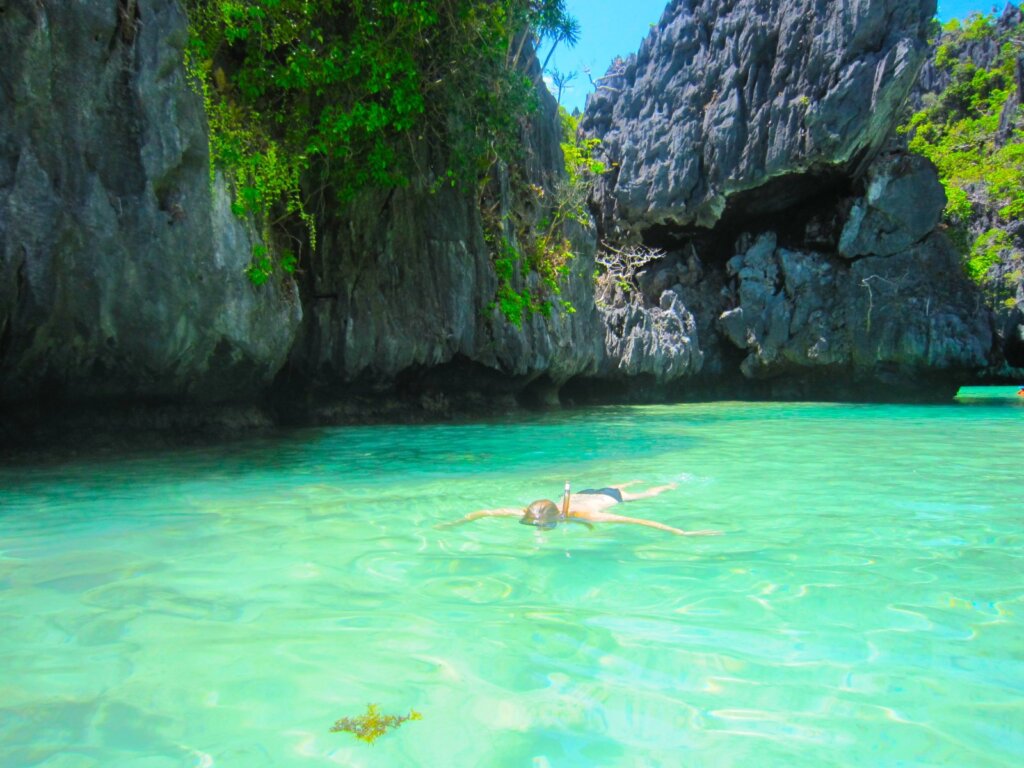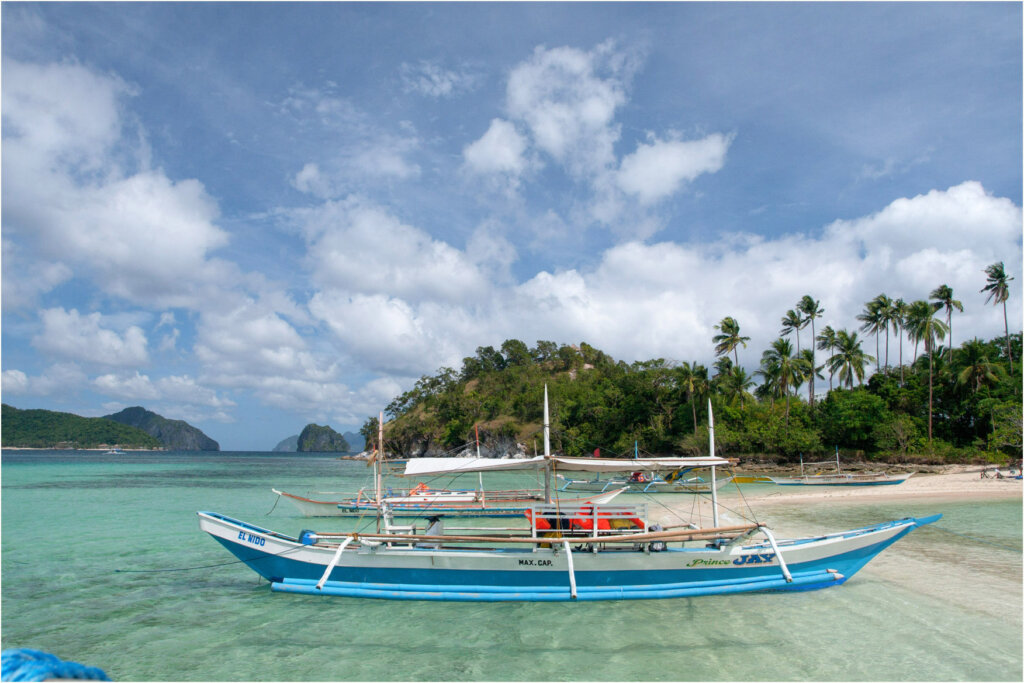

El Nido’s lagoons are the reason many people travel to Palawan in the first place. Turquoise water enclosed by sheer limestone walls, kayaks gliding through narrow gaps, and the silence that falls when you paddle into the Big Lagoon — it is a genuinely world-class experience. But the lagoons are also fragile, and over the last several years local authorities have introduced rules to manage crowds and protect them.
This guide focuses on how lagoon access actually works specifically for travellers booking Tour A or private boats who want to understand kayak rentals, visitor limits, time slots and the on-site rules before they arrive. It complements our Big Lagoon vs Small Lagoon comparison, which focuses on scenery.
Our unique angle: we explain the system from the visitor’s side — what your tour operator handles, what you must pay or do yourself, and how timing and tides change the experience.
Why El Nido Regulates Its Lagoons
El Nido sits inside the El Nido–Taytay Managed Resource Protected Area, a protected seascape that includes Bacuit Bay’s islands, reefs and lagoons. As visitor numbers rose sharply in the 2010s, popular sites suffered from boat congestion, anchor damage, litter and water-quality concerns. In response, the municipality and environmental agencies introduced measures such as daily visitor caps, scheduled entry slots, and restrictions on motorised boats inside sensitive lagoons.
The specific rules can be adjusted each season, so treat this guide as a framework and confirm the latest details with your accredited tour operator. National environmental policy is set by the Department of Environment and Natural Resources, while Palawan-specific sustainable-development rules come from the Palawan Council for Sustainable Development.
The Main Lagoons and How You Access Them
Big Lagoon (Miniloc Island, Tour A)
The most famous lagoon in El Nido. Tour boats typically stop at the entrance, and visitors continue by kayak. Kayaks are rented on site, usually for a fee per kayak that is paid separately from the tour price. Paddling in at a relaxed pace takes around 15–30 minutes, depending on wind and your experience.
Small Lagoon (Miniloc Island, Tour A)
Accessed through a narrow gap in the rock, either by swimming or by kayak. At low tide the entrance can be shallow; at high tide you may need to duck. Small Lagoon has been subject to visitor caps and time slots because of its compact size.
Secret Lagoon (Miniloc Island, Tour A)
Reached by squeezing through a small hole in the rock from the beach. It is tiny, so expect short waits when several boats arrive together.
Cadlao Lagoon (Tour D)
A calmer, often less crowded lagoon on Cadlao Island. Read our Cadlao Island lagoon guide for details.
Not sure which tour covers which lagoon? Our Tour A vs Tour B comparison lays out the stops.
Fees, Kayaks and What Your Tour Price Includes
Island-hopping prices in El Nido usually include the boat, guide, lunch and snorkel gear, but several extras are often paid separately. Always ask your operator for a written breakdown.
| Item | Usually included in tour? | Who handles it | Notes |
|---|---|---|---|
| Eco-Tourism Development Fee (ETDF) | No | You pay once; valid for several days | See our environmental fee guide |
| Lagoon entry slot / reservation | Usually arranged | Tour operator | Private boats should confirm slots in advance |
| Kayak rental (Big Lagoon) | Often not | Paid on site | Bring small-denomination cash |
| Life vest | Yes | Boat crew | Usually mandatory in lagoons |
| Snorkel and mask | Usually | Boat crew | Bring your own for better fit and hygiene |
| Water shoes | No | You | Strongly recommended for rocky entrances |
Fees are revised periodically. Confirm the current ETDF amount and kayak price with your operator or hotel the day before.
Shared Tour vs Private Boat for Lagoon Access
The rules are the same whether you join a shared tour or charter a private boat, but the experience differs. On a shared tour, the operator manages the slot, the guide organises kayaks for the group, and your time inside each lagoon is fixed so the boat can keep to schedule. It is the cheapest option and works well for solo travellers and couples who are happy to follow the crowd.
A private boat costs more but gives you control over the order of stops within the permitted slots, how long you linger, and when you leave town. Families with small children, photographers and anyone prone to seasickness often find the extra flexibility worth it. The key point: a private boat does not let you skip the system. Your boatman still needs an entry slot, you still pay the environmental fee and kayak rental, and rangers can still turn you away if the lagoon is at capacity.
Whichever you choose, book through an accredited operator. Unaccredited “boat for hire” offers on the beach may be cheaper but can leave you without proper insurance, safety equipment or lagoon access.
Timing, Time Slots and Tides
Timing makes a huge difference in the lagoons. Here is how to think about it:
- Time slots: When slot systems are active, operators are assigned windows for lagoon entry. That is why your boat may visit stops in a different order than the brochure suggests.
- Early departures: Boats leaving early often reach the lagoons before peak congestion. Ask whether your operator can schedule an early slot.
- Tides: Low tide can make Small Lagoon’s entrance shallow and rocky; high tide makes it easier to swim in but lowers clearance under overhangs. Check a tide app before choosing your tour day.
- Weather: Strong winds or rough seas can close lagoons or cancel tours entirely. Our cancelled tour guide explains refunds and rebooking.
- Season: December to May brings calmer seas and the most visitors; the wet season brings fewer crowds but more cancellations.
On-Site Rules Every Visitor Must Follow
- Wear your life vest when instructed, especially while kayaking.
- Do not touch, stand on or collect coral, shells or marine life. Even dead coral provides habitat.
- Do not feed fish. It disrupts natural behaviour and water quality.
- Take all rubbish back to the boat. El Nido has strict rules on single-use plastics.
- Use reef-safe sunscreen or, better, cover up with a rash guard.
- Follow your guide’s instructions on where kayaks can go and how long you can stay.
- No drones without permission in protected areas; ask your operator about current requirements.
Breaking rules can lead to fines for you and penalties for your tour operator, so guides take them seriously.
Lagoon Etiquette With Other Visitors
Lagoons are shared spaces, and a little courtesy goes a long way. Keep music off — the echo inside the limestone walls carries sound much further than you expect. Avoid blocking narrow channels for photos; pull to the side, take your shot and move on. If you see someone struggling with a kayak, a quick word of advice or a gentle push away from the rocks is appreciated. And when your guide signals that time is up, head back promptly so the next group can enter on schedule. These small habits keep the lagoons calm, safe and enjoyable for everyone, including the boat crews who visit them every day.
Kayaking the Lagoons: Practical Tips
- Share a kayak wisely: Put the stronger paddler at the back to steer.
- Protect your phone: Use a waterproof pouch with a lanyard; capsizes are rare but drops are common.
- Paddle along the walls: The best light and colour are often close to the cliffs, and you stay out of the main traffic lane.
- Keep left and give way: In narrow channels, slow down and let returning kayaks pass.
- Hydrate: It is hotter inside the lagoon than it looks, with little breeze.
What to Pack for a Lagoon Day
Pack light but smart: a dry bag, water shoes, a rash guard or long-sleeve swim shirt, a hat that will not blow away, a refillable water bottle, small cash for kayaks and snacks, and a waterproof phone pouch. A light towel and a change of dry clothes make the ride back far more comfortable, especially if afternoon showers roll in.
Accessibility Notes
Lagoon access involves stepping from a boat into shallow water or onto a floating platform, climbing into a kayak, and sometimes clambering over sharp limestone. Travellers with limited mobility should talk to their operator in advance; some crews are very good at assisting, and a private boat allows more time and fewer people around. Secret Lagoon’s entrance in particular requires squeezing through a narrow gap and is not suitable for everyone.
If you enjoy paddling, consider a separate half-day kayak or SUP outing near town; see our SUP and kayak guide.
For background on the town and its protected area, the El Nido, Palawan article is a good starting point.
Frequently Asked Questions
Do you need to rent a kayak for the Big Lagoon in El Nido?
In most cases, yes. Tour boats usually stop at the entrance and visitors continue by kayak, which is rented on site for a separate fee. Bring small-denomination cash and confirm the current price with your operator.
Is there a daily limit on visitors to El Nido lagoons?
Popular lagoons such as Small Lagoon have been subject to visitor caps and scheduled time slots. Your accredited tour operator normally arranges entry, but private boat bookings should confirm slots in advance.
What is the best time of day to visit the lagoons?
Early slots usually mean fewer boats and calmer water. Tide also matters: very low tide can make Small Lagoon’s entrance shallow and rocky.
Can I swim into Small Lagoon?
Yes, many visitors swim through the narrow entrance, while others kayak. Wear a life vest if you are not a confident swimmer and use water shoes for rocky sections.
Which El Nido tour includes the Big Lagoon?
Tour A typically includes Big Lagoon, Small Lagoon and Secret Lagoon on Miniloc Island, along with beach and snorkelling stops. Itineraries can change based on slots and weather.