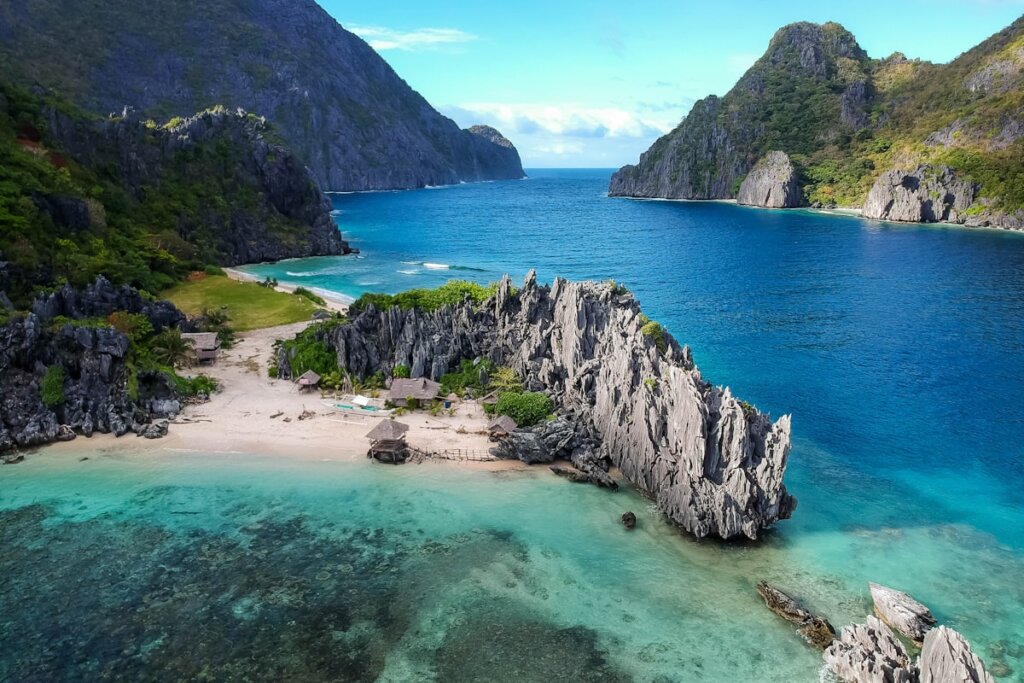

El Nido’s extraordinary natural beauty tends to dominate every conversation about the destination — but there’s a rich human story beneath the postcard scenery. The town is home to a tight-knit community of Filipino fisherfolk, indigenous Tagbanua communities in the surrounding islands, a growing expat and nomad population, and the complex cultural tapestry that emerges when all of these worlds intersect. This guide explores El Nido’s local culture, customs, festivals, and community life in 2026 — the human dimension that makes El Nido more than just a beautiful place to swim.
The People of El Nido
The Filipino Fishing Community
El Nido’s identity is built on fishing. The town grew from a small fishing village, and the sea remains central to daily life — economically, culturally, and spiritually. The pre-dawn activity at the pier, fishing boats returning with the night’s catch, the wet market’s 5am rush, the smell of drying fish along the waterfront — these are the rhythms of El Nido life that tourism has layered over but not replaced. The fishing community’s relationship with the sea is both intimate and pragmatic: the same waters that draw tourists are the waters that feed families. Responsible tourism that protects the reef protects the livelihoods of both.
The Tagbanua People
The Tagbanua are among Palawan’s indigenous communities, with ancestral domains covering significant portions of the El Nido-Taytay Managed Resource Protected Area. Their traditional territory includes many of the islands within the Bacuit Archipelago. The Tagbanua have legal rights over their ancestral lands under Philippine law (the Indigenous Peoples Rights Act), and some areas within El Nido’s island chain require Tagbanua community permits to enter — including certain zones of the Big Lagoon area.
Tagbanua culture is rich with traditions tied to the sea and forest: traditional fishing practices, honey gathering from wild bees, weaving from forest materials, and spiritual ceremonies tied to the agricultural and fishing calendar. The El Nido Resorts Foundation supports Tagbanua livelihood programmes; some community-based tourism operators offer cultural visits to Tagbanua settlements (book through responsible operators who share revenue directly with the community).
The Batak People
The Batak are one of the Philippines’ smallest and most vulnerable indigenous groups, with a remaining population of approximately 300 people in northern Palawan. Primarily forest-dwelling hunter-gatherers, the Batak have faced significant pressure from land encroachment and deforestation. Interactions with Batak communities should be approached through responsible, community-approved cultural tourism operators — not through uninvited visits to their settlements.
Filipino Cultural Values to Know
Bayanihan (Community Spirit)
Bayanihan — the Filipino tradition of communal unity and helping neighbours without expectation of reward — is deeply embedded in El Nido’s community life. You’ll see it in how the neighbourhood responds to a house that needs moving, a boat that needs repair, or a family facing hardship. For visitors, bayanihan translates to the remarkable warmth and helpfulness that Filipinos consistently show to strangers — accepting it graciously and reciprocating with respect and appreciation is the appropriate response.
Utang na Loob (Debt of Gratitude)
Filipino culture places great weight on reciprocal obligation — if someone does something meaningful for you, there is an expectation of gratitude and eventual reciprocation. For travellers, this means: if a local goes out of their way to help you (directions, a boat ride, a meal), express genuine gratitude; a small gift or tip is appropriate and deeply appreciated. The Filipino gift-giving culture is warm and sincere — receiving a gift (even small fruit or snacks from a local host) should be acknowledged with obvious pleasure.
Hiya (Sense of Shame/Face)
Hiya — roughly translating to a social sensitivity and reluctance to cause embarrassment — shapes many Filipino social interactions. Direct confrontation or public criticism causes significant discomfort; Filipinos often prefer indirect communication to preserve social harmony. For visitors: if something is wrong with your order or accommodation, raising it quietly and politely with a smile will almost always get a better response than loud complaint. Filipino hospitality runs deep; the staff genuinely want you to be happy and will go far to fix problems when approached respectfully.
Filipino Time
“Filipino time” — the culturally ingrained flexibility with punctuality — is real but context-dependent in El Nido. Tour boats depart on schedule (8am means 8am); restaurants open roughly when posted. Social events and informal arrangements run looser. Build in buffer time for non-critical appointments, accept flexibility as a feature rather than a bug, and save your scheduling precision for tour departures.
Festivals & Events in El Nido
Bugsay Festival (April)
El Nido’s most colourful annual festival — the Bugsay Festival celebrates the town’s fishing heritage and natural environment through boat races, street dancing, cultural performances, and a beauty pageant. “Bugsay” means paddle in the local language, reflecting the festival’s seafaring roots. Held annually in April (exact dates vary), the festival transforms El Nido’s waterfront with music, colour, and community energy. Accommodation books out during the festival — plan well ahead if visiting during Bugsay.
Semana Santa (Holy Week, April)
The Philippines is the most Catholic nation in Asia, and Holy Week (Semana Santa) is the country’s most important religious observance. In El Nido, Holy Week brings solemn religious processions through the town’s streets on Holy Thursday and Good Friday — carrying effigies of the Santo Entierro (the dead Christ) and the Mater Dolorosa (the sorrowful Mary) through candlelit streets. Some businesses close on Good Friday; the atmosphere is quietly reverent. It’s a genuinely moving cultural experience for respectful observers.
El Nido Founding Anniversary (June 9)
El Nido municipality’s founding anniversary on June 9 is marked with local government ceremonies, cultural performances, and community gatherings. A low-key event compared to the Bugsay Festival but an authentic slice of local civic life.
Christmas Season (December)
Filipinos are famous for having the world’s longest Christmas season — “Ber” months (September, October, November, December) all count as Christmas in Filipino culture. By December, El Nido’s streets are strung with lights, Parol (star-shaped lanterns) hang from buildings, and Christmas carols play from every speaker. The Filipino Christmas warmth is infectious; December is one of the most joyful months to visit. Noche Buena (Christmas Eve dinner) is the year’s most important family meal — if you’re invited to share in a local family’s celebration, accept enthusiastically.
Cultural Etiquette for Visitors
- Remove shoes when entering homes — always, without exception. A pile of shoes at the door is the universal signal.
- Dress modestly in town — beachwear is for beaches. Cover shoulders and legs when walking through town, at the market, or near religious sites.
- Greet elders with “Mano Po” — the traditional sign of respect to elders in Filipino culture involves taking the elder’s hand and pressing it to your forehead. If an elderly Filipino offers their hand in this way, accepting it graciously is deeply appreciated.
- Accept food when offered — declining food from a Filipino host is mildly offensive. Accepting, even a small amount, honours the offer.
- Point with your lips, not your finger — Filipinos often indicate direction by pursing their lips and gesturing; pointing with a finger at a person is considered rude.
- Don’t raise your voice — in any confrontation or frustrating situation. Loud anger causes hiya and shuts down productive communication. Patience and smiling persistence achieve far more.
Language: Useful Filipino/Tagalog Phrases
| Phrase | Pronunciation | Meaning |
|---|---|---|
| Salamat | sah-LAH-maht | Thank you |
| Magandang umaga | mah-GAN-dang oo-MAH-ga | Good morning |
| Magandang hapon | mah-GAN-dang HA-pon | Good afternoon |
| Kumusta ka? | koo-MOOS-tah kah | How are you? |
| Mabuti naman | mah-BOO-tee NAH-man | I’m fine |
| Magkano? | mag-KAH-no | How much? |
| Masarap | mah-SAH-rap | Delicious |
| Saan ang banyo? | SAH-an ang BAN-yo | Where is the bathroom? |
| Paalam | pah-AH-lam | Goodbye |
| Mahal kita | MAH-hal KEE-tah | I love you (use carefully!) |
Even basic attempts at Filipino phrases are met with delighted smiles in El Nido. Filipinos are extraordinarily encouraging of foreigners trying their language — don’t be shy.
Religion in El Nido
The Philippines is approximately 80% Roman Catholic, and this shapes daily life in El Nido profoundly. The Catholic church in El Nido town holds daily masses; Sunday mass is a major social event with the community dressed in their best. The religious calendar (feast days, patron saint festivals, Holy Week) structures the town’s annual rhythm. Visitors of all faiths are welcome to attend mass as respectful observers — dress modestly, enter quietly, and follow the congregation’s lead.
For more on experiencing El Nido authentically, see our Filipino food guide and our El Nido markets guide.
External resources: National Commission on Indigenous Peoples — Tagbanua rights | Cultural Survival — Batak people of Palawan