
El Nido is a photographer paradise, offering endless opportunities to capture stunning images. From dramatic limestone cliffs to crystal-clear lagoons and vibrant sunsets, this guide covers the best photography spots and techniques for capturing the beauty of this Philippine destination. Whether you are a professional photographer or just using a smartphone, El Nido provides incredible backdrops that will make your photos stand out on social media and in your travel album. The diversity of landscapes is remarkable and the light is magical.

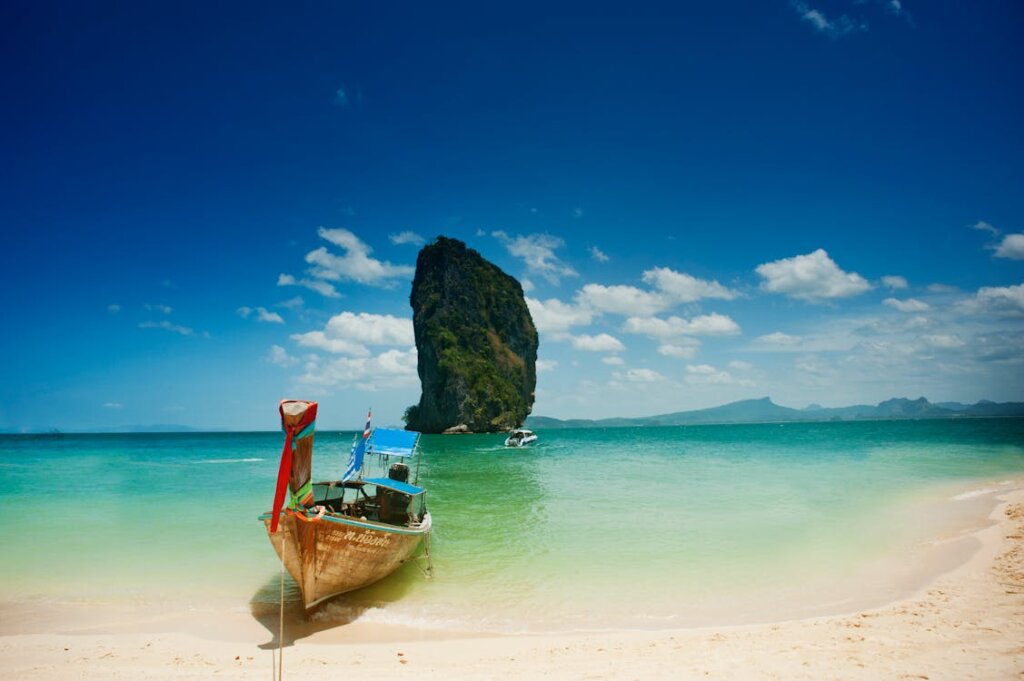
The limestone cliffs that define El Nido landscape provide dramatic backdrops for photography. The best views of these iconic formations are from the water during island hopping tours. Early morning light creates a golden glow on the cliffs, while late afternoon light produces warm, dramatic colors. The changing light throughout the day creates different moods in your photographs. Capturing the cliffs from different angles provides variety in your portfolio. Using a polarizing filter can reduce glare and enhance colors in the sky and water. The contrast between the green vegetation and gray limestone creates visual interest. The formations are millions of years old and create endless compositions.
Sunrise and sunset are the magic hours for landscape photography in El Nido. Nacpan Beach offers excellent sunrise views, with the beach facing east across the bay. Arriving 30 minutes before sunrise allows you to set up and capture the first light. The silhouette of limestone cliffs against the colorful sky creates stunning images. The reflection of the cliffs in calm morning water creates mirror-like images. Las Cabanas Beach is the go-to spot for sunset photography, with the west-facing beach offering unobstructed views of the setting sun. Arriving early ensures you secure the best viewing spot. The fire dancers that perform at sunset add dynamic elements to photos. The colors are spectacular and change minute by minute.
Beach photography in El Nido benefits from the pristine white sands and turquoise waters. The key is to include interesting elements like palm trees, rocks, or silhouettes of people to create depth in your images. Using the rule of thirds helps create balanced compositions. Long exposures can create smooth, dreamy effects on the water. The reflections in the calm morning waters provide excellent opportunities for mirror-like images. Including local fishermen or boat operators in your photos adds cultural context and human interest. The texture of the sand makes interesting foreground material. Beach scenes are timeless and capture the essence of paradise.
Underwater photography is accessible even to beginners with modern smartphone technology. Waterproof phone cases or action cameras allow you to capture the colorful marine life without investing in expensive underwater equipment. Getting close to your subject reduces the impact of water distortion. The shallow reefs near Shimizu Island and other snorkeling spots provide excellent subjects. Shooting during midday when the sun is directly overhead provides the best underwater light. Sea turtles are particularly photogenic subjects and are commonly seen in El Nido waters. Schools of fish create stunning backdrops and create magical moments. The underwater world is vibrant and full of life.
The lagoons of El Nido offer unique photography opportunities. The Big Lagoon is best photographed from the water, with kayaks or boats providing stable platforms. The interplay of light through the limestone formations creates dramatic effects. Exploring smaller, less-visited lagoons can yield unique images without other tourists in the frame. The early morning offers the calmest water and best light for reflections. Using a wide-angle lens captures the scale of the limestone formations. The hidden lagoons feel like secret worlds waiting to be discovered. Every corner reveals a new perspective and new photographic opportunities.
El Nido wildlife photography focuses primarily on marine life and birds. Sea turtles are commonly seen during snorkeling and diving trips. Capturing them requires patience and a good underwater camera. The Philippines is home to numerous bird species, including the impressive hornbill. Early morning bird watching walks provide the best opportunities for wildlife photography. Using a telephoto lens helps capture distant subjects without disturbing them. The local markets provide opportunities for vibrant still life photography. The variety of tropical fish is astonishing and always surprising.
Astrophotography in El Nido can be spectacular on clear nights. The minimal light pollution in the area allows for stunning images of the Milky Way. The limestone cliffs make excellent foreground elements for night sky photography. Using apps to track the lunar calendar helps plan sessions around the new moon for the darkest skies. A tripod is essential for long exposures. The milky way is visible from February to October. The Southern Cross constellation is also visible and creates stunning compositions. The stars are bright and numerous.
People photography in El Nido includes capturing the local culture and fellow travelers. The friendly local residents often welcome photographs with a smile. Respecting people’s privacy and asking permission before taking portraits is important. Including local fishermen, boat operators, and market vendors provides context to your travel images. The early morning market scenes are particularly photogenic and full of life. The traditional boat builders are fascinating subjects and represent local traditions. Children playing on the beach make charming subjects and capture the joy of travel.
Post-processing techniques can enhance your El Nido images. Adjusting white balance helps correct color casts from water and vegetation. Enhancing contrast and clarity brings out the dramatic qualities of the limestone cliffs. Bracketing exposures for HDR techniques helps capture the full dynamic range of bright skies and darker foregrounds. Removing tourists from landscape photos can be done with careful editing. Creating a consistent editing style helps build a cohesive portfolio that tells the story of your trip. The editing brings out the best in every image.
Equipment recommendations for El Nido photography depend on your interests and budget. A wide-angle lens captures the dramatic landscapes and is essential. A telephoto lens is useful for wildlife and compressing distance in images. Tripods are essential for low-light photography and long exposures. Waterproof bags and cases protect your equipment during boat trips and water activities. Extra batteries are essential in the humid climate and should be packed spares. A UV filter protects your lens from salt and sand and should always be used.
| Platform | Best For | El Nido Deals |
|---|---|---|
| Booking.com | Hotels, resorts, free cancellation | View deals → |
| Agoda | Best Asia prices, loyalty rewards | View deals → |
| Klook | Tours & activities | Browse tours → |