Many visitors to El Nido leave wanting to give something back, whether that is school supplies, spare cash or a few days of effort. Good intentions do not always produce good outcomes, though. This guide focuses specifically on how a short-stay traveler can donate or help responsibly in El Nido, with a clear view of what communities actually need and which well-meant habits do more harm than good.
- Why responsible giving matters in a small tourism town
- What not to do: common well-meant mistakes
- Better ways to help: what actually works
- Comparing the main ways to give
- Beach cleanups, reef care and environmental volunteering
- Giving with your wallet: tipping, markets and fair pay
- A simple checklist before you give
- How to vet a local group before you donate
- Giving during typhoon season and low months
- Frequently Asked Questions
Why responsible giving matters in a small tourism town
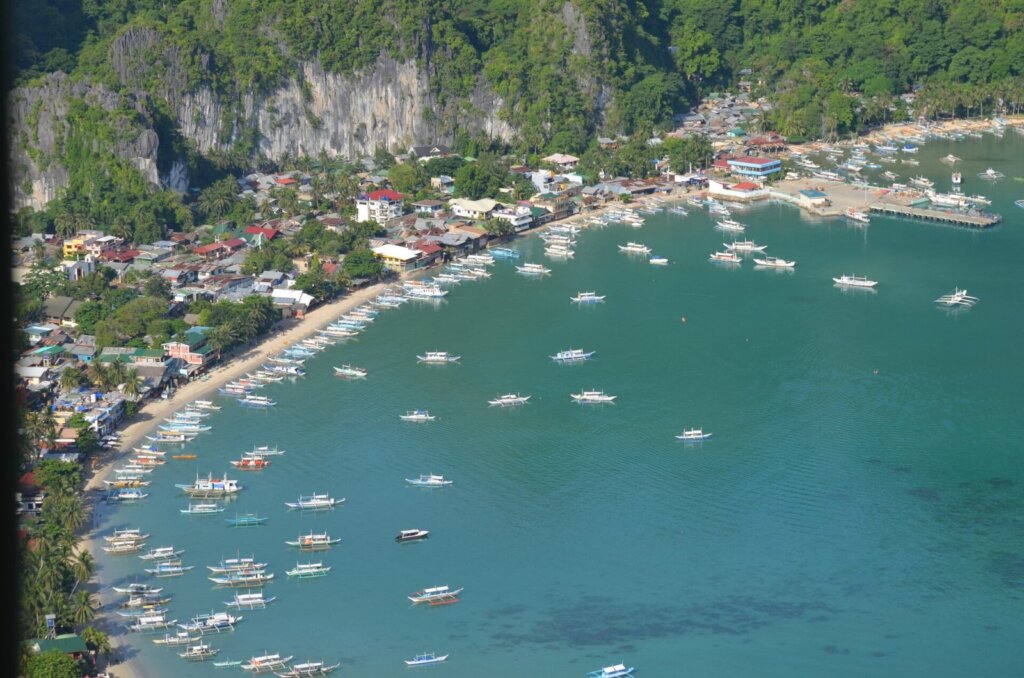
El Nido is a small municipality whose economy depends heavily on tourism. Boat crews, guides, homestay owners and market sellers all rely on steady visitor income, and the town has grown quickly in the last decade. That growth brings real needs: waste handling, clean water, school resources and support for families when tourism slows in the typhoon months.
Because need is visible, generosity is natural. But unplanned giving can create habits that are hard to undo. Handing sweets or coins to children on the street, for example, can encourage begging and draw children away from school. Child welfare organisations such as UNICEF Philippines consistently advise travelers to support established programs rather than give directly to children.
The goal is to turn a quick impulse into help that lasts after you leave. That usually means giving to organised, accountable groups, buying locally, and spending your time or money where the community has asked for it.
What not to do: common well-meant mistakes
Some mistakes are so common that guides now warn about them explicitly. Avoid distributing candy, toys or money directly to children, and avoid entering a school or community uninvited to hand out items. Skip visits to homes or villages organised purely as a photo opportunity. If a tour operator offers an orphanage or community visit as a package, ask hard questions first about who benefits and how.
- Do not hand out sweets, snacks or coins to children on the street or on island stops.
- Do not photograph children or families without asking an adult first; see our notes on photographing locals with respect.
- Do not bring bags of used clothing or random items without confirming a group wants them.
- Do not pay for access to “poverty tours” or staged community visits.
- Do not leave large cash gifts with strangers who approach you with a story.
The same caution applies to animals. Feeding wildlife on boat stops or beaches changes behaviour and can harm reefs and marine life, a point echoed by conservation agencies such as the Department of Environment and Natural Resources.
Better ways to help: what actually works
The most useful support is usually the least dramatic. Spend money in locally owned businesses, hire local guides, eat at family-run eateries and tip crews fairly. This money stays in the community and gives people stable income, which does more than a one-off donation. Our guide to ATMs and cash in El Nido explains how to carry enough small bills for this kind of everyday support.
Where you want to donate, do it through a registered organisation with a clear track record and a way for you to check where funds go. Ask for an official receipt, a named contact and a short description of recent projects. A local group that can show specific outcomes, such as a cleanup completed or a classroom stocked, is a safer bet than one that offers only emotional appeals.
Practical items can be better than money when a group has asked for them by name. Before buying, send a short message and ask for their current wish list. School supplies, first-aid materials and cleanup equipment are common requests, but only the group knows what is actually missing.
Comparing the main ways to give
Different forms of help suit different travelers. A one-night visitor has little time but a flexible budget; a two-week traveler may be able to spare an afternoon. This table compares the common options so you can choose the one that fits.
| Way to help | Effort needed | Typical impact | Watch out for |
|---|---|---|---|
| Spending at local businesses | Very low | Steady income for families | Choose genuinely local owners |
| Donating to a registered local group | Low | Funds specific projects | Verify receipts and track record |
| Joining an organised beach cleanup | Medium | Removes visible waste | Go with an established group |
| Donating requested supplies | Medium | Fills a named gap | Ask first; avoid surplus items |
| Giving directly to children or strangers | Very low | Often negative long term | Avoid entirely |
Beach cleanups, reef care and environmental volunteering
Environmental work is one of the clearest ways for a visitor to contribute. Waste left on beaches and washed ashore from open water is a constant problem on Palawan coastlines, and organised cleanups are usually open to travelers for a few hours at a time. Look for events run by local environmental groups or by your hotel in partnership with the municipality, and bring your own water bottle, reef-friendly sun protection and sturdy sandals.
Your own habits matter just as much. Carry out what you carry in, refuse single-use plastic where you can, and choose sunscreen carefully; our reef-safe sunscreen guide explains which ingredients to avoid. National protected-area rules, including fees and conduct codes, are set by the government, so check the Department of Tourism and local advisories before you go.
Be wary of volunteer programs that charge high fees with little detail about where the money goes. A trustworthy program is transparent about costs, trains volunteers, and does not place short-term visitors in roles that require long-term relationships, such as caring for children.
Giving with your wallet: tipping, markets and fair pay
Fair payment is a form of support that every traveler can offer without extra planning. Pay the asking price for handmade goods rather than haggling hard over small amounts, tip boat crews and guides when service is good, and settle bills promptly. For small purchases, digital wallets can be convenient, and our guide to GCash and e-wallet payments in El Nido shows how they work for visitors.
Buy produce, seafood and crafts from local sellers rather than imported goods. The money spent on a morning at the public market can reach more households than a single large donation, and it also gives you a better understanding of daily life in town.
A simple checklist before you give
When the urge to help arrives, run through a short set of questions. Who asked for this? Is the recipient an organised group that can use it? Will it still help after I leave? Could it cause dependence, risk or embarrassment? Can I verify where it goes? If any answer is unclear, pause and ask your host or a trusted local organisation before acting.
Responsible giving is less about the size of the gift and more about its fit. A traveler who hires a local guide, avoids single-use plastic, gives to a vetted group and treats every person with respect leaves a more positive footprint than one who hands out cash on impulse. The town benefits most from visitors who give in ways locals have chosen, not ways outsiders assume.
How to vet a local group before you donate
A short vetting routine protects both your money and the community. Start by asking how long the group has operated in El Nido and who runs it. Established groups can usually name local staff, show recent photos from projects and explain their finances in plain terms. Check whether they are registered with the relevant Philippine agencies, and look for consistent mentions from other travelers, local hotels and the municipal office rather than a single glowing post.
Ask what a donation of a given size would buy, and whether they publish updates. If a group cannot answer simply, or pressures you to give immediately, walk away. Prefer small, specific gifts to a named project over large cash handovers, and keep your receipt in case you need to follow up later.
- Ask how long the group has operated and who leads it locally.
- Request an official receipt and written confirmation of the gift.
- Look for recent, specific project updates rather than general appeals.
- Avoid anyone who insists on cash only with no record.
- Check with your hotel or a trusted local before committing.
Giving during typhoon season and low months
Need in El Nido is not constant. In the wet months, tourism slows, boat trips are cancelled and household income falls, so support spent locally matters most just when visitors are fewest. If you travel in these months, consider booking longer stays with family-run guesthouses, eating at local eateries and joining small-group tours that keep work for crews.
After a major storm, relief efforts are often coordinated by the municipality, national agencies and established relief organisations. Rather than turning up with supplies, follow their official appeals and give through the channels they name. That keeps aid organised and prevents duplication, which is a common problem after disasters.
Finally, remember that respect costs nothing. Greet people, ask before taking photos, learn a few words of Filipino and treat every local worker as a professional. These small habits shape how the community experiences tourism, and they are often remembered long after any donation.
Frequently Asked Questions
Should I give money or sweets to children in El Nido?
No. Direct handouts can encourage begging and keep children from school. Support registered programs or buy from local families instead.
What is the best way to support El Nido locals?
Spend at locally owned businesses, hire local guides, tip fairly and donate through accountable organisations with receipts.
Can I volunteer for a few days?
Yes, mainly with organised beach cleanups or environmental groups. Avoid programs that place short-term visitors with children.
Should I bring donation items from home?
Only if a group has asked for them. Message first to learn their current needs so you do not add to waste.
How do I check if a charity is legitimate?
Ask for an official receipt, a named contact, a record of past projects and a clear explanation of where funds go.