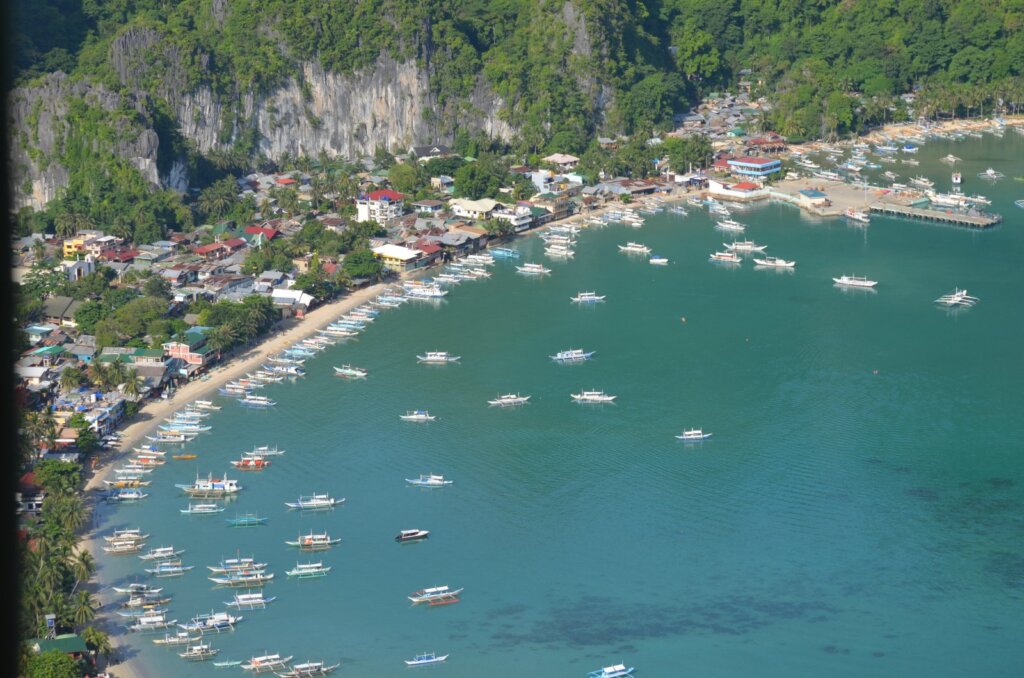

El Nido is one of the most photogenic places in the Philippines, and most visitors arrive with a phone full of lagoon shots before their first dinner. The landscapes are easy: limestone cliffs do not mind being photographed. People are different. Fishermen hauling a bangka onto the beach, a grandmother selling bananas on Calle Hama, kids jumping off the pier at sunset — these are the moments that make a travel album feel alive, and they are also the moments where a careless camera can make someone feel like part of the scenery rather than a person.
This guide focuses on photographing local people respectfully, specifically for travelers and hobby photographers who want candid street, market and boat-life shots in El Nido without being intrusive. It is not a gear or location guide — for that, see our El Nido photography tips and the drone rules guide. Here we cover consent, children, workplaces, cultural sensitivities, posting online and how to turn a quick snap into a genuine exchange.
- Why Photo Etiquette Matters More in a Small Town
- The Simple Consent Rule: Ask, Show, Thank
- Photographing Children: Extra Care Required
- Markets, Boats and Workplaces
- Culture, Religion and Indigenous Communities
- Posting Online, Privacy and Commercial Use
- Turning a Photo into a Real Connection
- Frequently Asked Questions
Why Photo Etiquette Matters More in a Small Town
El Nido town (Poblacion and Buena Suerte) is compact. The same boatmen, tricycle drivers, cooks and vendors see thousands of tourists every week in peak season. One visitor sticking a lens in someone’s face is a minor annoyance; hundreds a day becomes a real burden on people who are simply trying to work. Filipinos are famously hospitable and many will smile and agree even when they would rather not — the culture places a high value on pakikisama (getting along) and avoiding confrontation. That means a “yes” is not always an enthusiastic yes, and the responsibility for reading the situation sits with the photographer.
There is also a practical side. Locals who feel respected become your best guides: the fisherman you chatted with for five minutes may tell you when the boats come in tomorrow morning, which is far better light than midday. Good etiquette often produces better photographs.
The Simple Consent Rule: Ask, Show, Thank
The most reliable approach in El Nido is a three-step habit:
- Ask. Make eye contact, smile, raise the camera slightly and say “Pwede po?” (“May I, please?”). The word po adds politeness and is especially appreciated with older people. A simple gesture works if your Filipino is limited — most people in tourist areas also speak English.
- Show. After taking the photo, turn the screen around and let them see it. This is the single most effective way to build goodwill. People often laugh, call a friend over, or ask for another shot.
- Thank. “Salamat po” goes a long way. If they ask for a copy, take their Facebook name or number and actually send it — Messenger is the default way people share photos in the Philippines.
If someone shakes their head, covers their face, or turns away, lower the camera immediately and do not try again from a distance. A refusal is not an invitation to use a longer lens.
For wider scenes — a busy market aisle, a crowd at the pier — asking every individual is unrealistic. The usual standard is that general scenes where nobody is the clear subject are acceptable, but the moment one person fills the frame or is shown in a vulnerable moment, consent becomes necessary.
Situation-by-Situation Etiquette Table
Different settings in El Nido call for different levels of care. Use this as a quick reference.
| Situation | Ask first? | Sensitivity | Notes |
|---|---|---|---|
| Wide shots of the beach or town | Usually no | Low | Avoid zooming in on individuals sunbathing or changing. |
| Vendors at the public market | Yes | Medium | Buying something first makes asking natural. |
| Boat crew during island hopping | Yes, briefly | Low–Medium | Crews are used to cameras; don’t block them while they anchor or cook. |
| Children | Always ask a parent/guardian | High | Never photograph kids who are bathing, undressed or alone. |
| Church services and fiestas | Ask organizers; no flash | High during worship | Processions are more open than indoor Mass. |
| Indigenous communities | Yes, via guide or elder | High | Respect any request not to photograph rituals. |
| People working in homes or yards | Yes | High | Private property — don’t shoot through doors or windows. |
Photographing Children: Extra Care Required
El Nido’s kids are often the most enthusiastic subjects — they will run up, pose and shout “picture!” at the pier. Even so, children deserve the highest standard of care. Ask a nearby parent or adult first, and if none is around, keep to wide shots where no child is identifiable. Avoid photographs of children in swimwear, bathing, or in situations that highlight poverty for effect. The Philippines has strong child-protection laws and organizations such as UNICEF Philippines regularly campaign against the online exploitation of children; images that seem harmless can be misused once they are public.
A good rule: if you would not want a stranger posting the same photo of your own child online with a location tag, do not take it. Handing out sweets or money in exchange for photos also encourages kids to approach tourists and should be avoided.
Markets, Boats and Workplaces
The El Nido public market is a favorite for color and texture — piles of reef fish, bundles of kangkong, sacks of rice. It is also a workplace where margins are thin and space is tight. Stand to the side rather than blocking a stall, and be quick. Buying a few calamansi or a bag of bananas before asking for a portrait is both courteous and an easy conversation starter. If you plan to spend time photographing, tell the vendor you’re happy to buy something; many will then happily continue working while you shoot.
On island hopping tours, boat crews generally expect to appear in photos, especially during the famous onboard lunch. Still, avoid shooting them while they are maneuvering near rocks, anchoring or lifting heavy coolers — safety comes first and a camera in the way can be a real hazard. Check our tipping etiquette guide if you want to thank a crew who went out of their way for your group.
At dawn on the town beach you’ll see fishermen bringing in the catch. This is beautiful light and authentic activity, but it is also hard work at the end of a long night. Keep your distance, use a moderate telephoto for candid scenes, and approach for portraits only once the boats are secured.
Culture, Religion and Indigenous Communities
Northern Palawan is home to Indigenous groups including the Tagbanua, as well as long-established Cuyonon and migrant communities — see our Tagbanua culture guide for background. Visits to Indigenous communities should go through a guide or community representative, and any instructions about where cameras are not welcome should be followed without debate. In the Philippines, the rights of Indigenous peoples over their cultural heritage are recognized by law, and the National Commission on Indigenous Peoples is the government body responsible. Treat ceremonies, burial sites and sacred places as off-limits unless explicitly invited.
The Philippines is predominantly Catholic and church life is visible in El Nido, especially during town fiestas, Holy Week and Christmas. During Mass, do not use flash, do not walk the aisles for angles, and keep the shutter sound off. Outdoor processions are more relaxed, but still stay out of the path and don’t cut between participants and the image or statue being carried.
Posting Online, Privacy and Commercial Use
Taking a photo and publishing it are two different acts. The Philippines’ Data Privacy Act of 2012 mainly governs organizations that process personal information, and casual personal snapshots generally fall outside its core scope — but the spirit of the law (people have a reasonable expectation of control over their personal data) is a good guide. Before posting:
- Remove identifiable details from photos of people who did not clearly agree — crop, blur or choose another frame.
- Avoid geotagging homes or precise locations of private individuals, especially children.
- Write respectful captions. Framing someone as “poor but happy” or as an exotic prop reduces them to a stereotype.
- Get written permission for commercial use. If you’re a content creator or plan to sell images, a model release is the professional standard. Many local guides can help explain this to subjects.
Content creators should also be aware that some resorts and private islands have their own photography and filming rules. When in doubt, ask management. The Department of Tourism and local tourism offices can advise on permits for professional shoots, and the general background on the municipality is summarized on Wikipedia’s El Nido page.
Turning a Photo into a Real Connection
The best people photographs in El Nido usually come after a conversation, not before. A few ideas that work well:
- Learn five words. “Magandang umaga” (good morning), “salamat po” (thank you), “pwede po?” (may I?) and “ang ganda” (beautiful) cover most situations. Our local languages guide adds some Cuyonon phrases.
- Return with prints. If you’re staying a week, a small portable photo printer turns you into the most popular person on the beach. A print is a gift people keep.
- Join a local-led experience. A town walking tour or cooking class creates natural, consensual photo opportunities with people who are expecting visitors.
- Slow down. Spend twenty minutes in one spot — a sari-sari store bench, the pier at sunset — and people stop noticing the camera. Candid moments come naturally once you’re part of the background rather than a passing visitor.
- Put the camera down sometimes. Some of the best moments in El Nido — a shared joke with a tricycle driver, a fiesta dance — are better lived than recorded.
Respectful photography doesn’t mean timid photography. It means being clear about what you’re doing, accepting “no” gracefully, and leaving every person you photograph feeling good about the encounter. That is the kind of traveler El Nido welcomes back.
Frequently Asked Questions
Is it rude to take photos of people in El Nido without asking?
For wide scenes where no one is the main subject it is generally accepted. If one person clearly fills the frame, or the moment is private, ask first with a simple “Pwede po?” and respect a refusal.
How do you ask permission to take a photo in Filipino?
Say “Pwede po?” (May I, please?) while lifting your camera slightly. Most people in El Nido also understand English, and thanking them with “Salamat po” is appreciated.
Can I photograph children in El Nido?
Only with permission from a parent or guardian, and never when children are bathing, undressed or alone. Avoid geotagging photos of children when posting online.
Should I pay people for photos in El Nido?
Paying or giving sweets for photos is discouraged, especially with children. Buying something from a vendor, showing them the photo and sending them a copy are better ways to say thanks.
Do I need permission for commercial photography in El Nido?
Yes. For commercial use get a signed model release from identifiable people, and check with resorts or the local tourism office about filming permits before professional shoots.