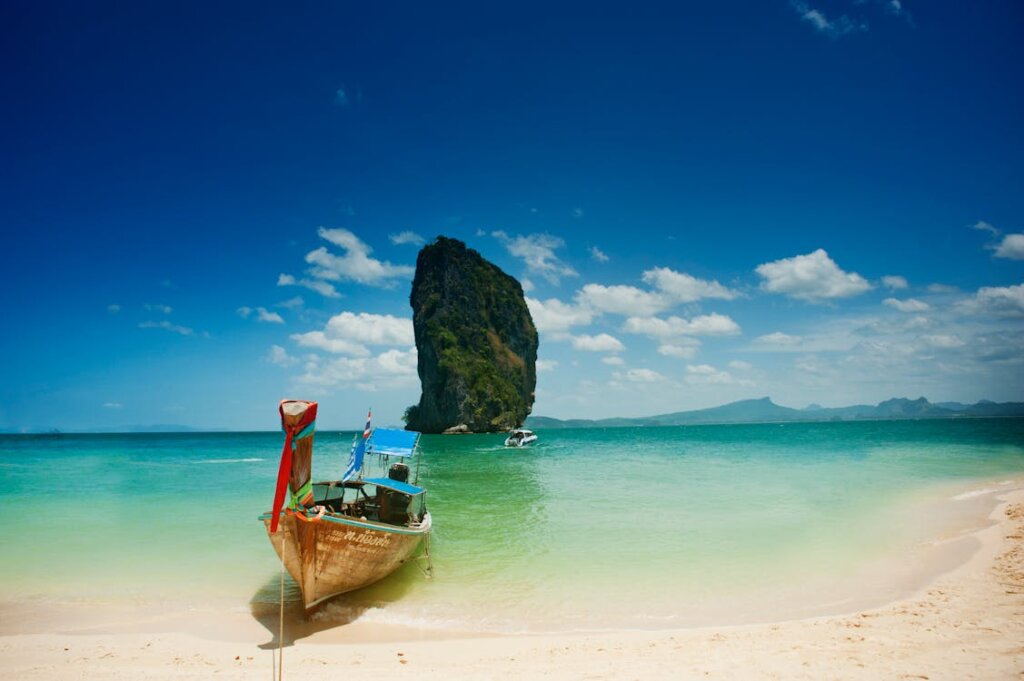

Most visitors focus on lagoons and beaches, but few realize they are entering a legally protected landscape. This guide focuses on the El Nido-Taytay Managed Resource Protected Area specifically for first-time visitors who want to follow the rules, avoid fines and understand why guides keep repeating certain instructions. You will learn what the protected area covers, how zones and fees work, the everyday rules on tours and beaches, and how your habits contribute to conservation.
What the Protected Area Actually Covers
The El Nido-Taytay Managed Resource Protected Area protects a large stretch of northern Palawan that includes limestone karst cliffs, mangroves, seagrass beds, coral reefs, forests and dozens of islands in Bacuit Bay. It began as a marine reserve decades ago and was later brought under the country’s national protected area system, which gives it a management board and enforceable rules.
The Department of Environment and Natural Resources (DENR) works with the local government and the protected area management office to enforce the rules. Because the area includes both land and sea, your trip crosses many boundaries even if you never leave the town center. The limestone landscape and marine ecosystems are a big reason nearby regions such as Puerto Princesa are recognized by UNESCO for their natural value.
Understanding this context helps explain why El Nido tours feel more regulated than in other beach destinations. It is not about tourist control; it is about keeping the reefs, birds and forests healthy so they still exist for future visitors.
Zones, Fees and Who Collects Them
Protected areas are divided into zones, from strict protection areas that allow no entry to multiple-use zones where tourism is allowed under conditions. On the water, this shows up as marked snorkeling areas, mooring buoys and restricted spots where boats may not anchor. Your guide usually knows which sites are open, closed or under rest that season.
Visitors typically pay an environmental or eco-tourism fee when they book or start a tour, and it supports patrols, waste collection and community programs. The amount, the payment method and the validity period change, so confirm the current details with your operator or the local tourism office. Keep the receipt or wristband, because rangers or boat staff may check it during the day.
Do not confuse this fee with the price of the tour. Some operators include it in the price, while others collect it separately at the beach, so ask before booking. The details are also covered in our island hopping tours comparison.
Everyday Rules on Tours and Beaches
| Activity | What Is Expected | Why It Matters |
|---|---|---|
| Snorkeling | No touching or standing on coral, no chasing marine life | Coral heals slowly and is easily damaged |
| Feeding fish | Not allowed | Changes fish behavior and water quality |
| Littering | Carry trash back to the boat | Plastic harms turtles and seabirds |
| Single-use plastics | Limited or discouraged on tours | Reduces waste on remote beaches |
| Fishing and collecting | Prohibited in protected zones | Protects nurseries and species |
| Drones | Ask the operator or office first | Wildlife disturbance and privacy |
These rules are enforced through a mix of tour guides, boat crew and patrol staff. Failing to follow them can lead to warnings, fines or being asked to leave the site. You can avoid most problems by listening to your guide’s briefing at the start of the tour.
Wildlife Etiquette in the Water and on Land
Marine life is the star attraction. Sea turtles, reef fish, rays and occasional dugong sightings are part of the ecosystem. Keep at least a few meters away from turtles, never touch or ride them and avoid flash photography. If a turtle changes direction because of you, you are too close. Our jellyfish guide explains how to stay safe around stinging species too.
On land, the forests shelter monkeys, birds and monitor lizards. Do not feed them, even if they look friendly, because feeding leads to aggressive behavior and health problems. Stay on marked paths when hiking, and avoid collecting shells, coral pieces or plants as souvenirs. What looks like a small keepsake is a real loss to a fragile ecosystem.
Nights are not free of impact either. Bright lights and loud music on the beach can disturb nesting birds and marine life, so keep your evenings low key near the shore.
Plastic, Waste and Water Habits
El Nido has long struggled with plastic waste because it is a remote destination where everything arrives by boat or road. Visitors can help by bringing a refillable bottle, declining plastic straws and taking snack wrappers back to the boat. Our article on zero-waste travel and refill stations covers where to refill and how to carry your own kit.
Choose reef-safe sunscreen or wear a long-sleeve rash guard, since chemical sunscreens can harm coral. Avoid wet wipes and cotton buds, which end up as litter. If you see trash on a beach, picking up a few pieces helps more than complaining about it.
Also think about where your water goes. Many small resorts use septic systems and limited freshwater, so short showers and reusing towels are real contributions, not just marketing lines.
Choosing Responsible Operators
Not every tour operator follows the same standards. Look for boats with clear safety equipment, guides who brief you on the rules, a limit on group size and a habit of moving away from crowded sites. Operators that take waste back to shore and avoid feeding fish are worth supporting.
Ask what happens to leftover food and where the trash goes. A good operator will answer simply and confidently. For more tips on choosing well, see our guide to eco-friendly tour operators, and confirm that they follow the Department of Tourism accreditation guidance.
Do not be tempted by an unusually cheap tour if it skips life jackets or fee payments. Those savings often come from cutting corners on safety and environmental compliance.
What Happens If You Break a Rule
In most cases, the first step is a friendly correction. If you stand on coral or approach a turtle, your guide will ask you to stop and explain why. Repeated or deliberate violations can lead to fines, being asked to leave a site or the operator being penalized. Fines for damaging coral or collecting protected species can be significant, and rules can be enforced with the help of local authorities.
The simple approach is to assume that everything natural stays where it is. Leave shells, coral and rocks, take photos instead of souvenirs and follow guide instructions immediately. If you are unsure whether something is allowed, ask. Guides prefer a question over a mistake.
Report serious problems such as illegal fishing or blast fishing to the local tourism office or the DENR hotline, and keep your distance from anyone acting aggressively. Your safety comes first, and reports can be made after you return to shore.
How You Can Give Back During Your Trip
Visitors can support conservation without much effort. Join a beach cleanup if your hotel organizes one, eat at restaurants that source fish sustainably and buy souvenirs made by local communities rather than items made from shells or coral. Even a small donation to a local conservation group can support ranger patrols and mangrove planting.
Spend a little time learning about the place before you arrive. Check the PAGASA forecast, plan a flexible schedule and avoid pushing tours during rough weather, because sea conditions affect both safety and reef damage from boat anchors. Combine your trip with slower, lower-impact activities such as kayaking, walking to viewpoints and swimming from the shore. The boat safety guide also explains what a careful operator does.
When you leave, you should feel that the place is the same as when you arrived, or slightly better. That is the whole point of a protected area, and a very good standard for any traveler.
A Quick Pre-Tour Rules Checklist
Before you step on the boat, confirm that your environmental fee is paid, your life jacket fits and your guide has explained the day plan. Pack a refillable bottle, a small trash bag and reef-safe sun protection. Leave jewelry, food scraps and single-use plastics at the hotel whenever possible.
During the tour, keep your fins off the bottom, maintain distance from marine life and move away from crowded snorkeling spots so the reef gets breathing room. At lunch, dispose of waste properly and avoid feeding birds or fish leftover food. On beaches, stay in the designated areas and do not build fires, carve names into rocks or move stones and shells.
After the tour, tip your crew fairly, provide honest feedback and mention any rule problems you noticed. A responsible visitor makes the next tour better for everyone. It takes only a few minutes of attention to be the kind of traveler who helps a protected area work as intended.
Frequently Asked Questions
Is the whole El Nido area a protected area?
Much of the surrounding land and sea is part of the El Nido-Taytay Managed Resource Protected Area, including many islands, reefs and forests around Bacuit Bay.
Do I have to pay an environmental fee?
Visitors usually pay an environmental or eco-tourism fee, either bundled into the tour or collected separately. Confirm the current amount with your operator.
Can I touch or feed fish and turtles?
No. Touching, chasing and feeding marine life are discouraged or prohibited because they harm animals and reefs.
Are drones allowed in El Nido?
Rules vary by area and season. Ask your operator or the tourism office before flying one.
Who enforces these rules?
A combination of DENR, local government, protected area staff, tour guides and boat crew.