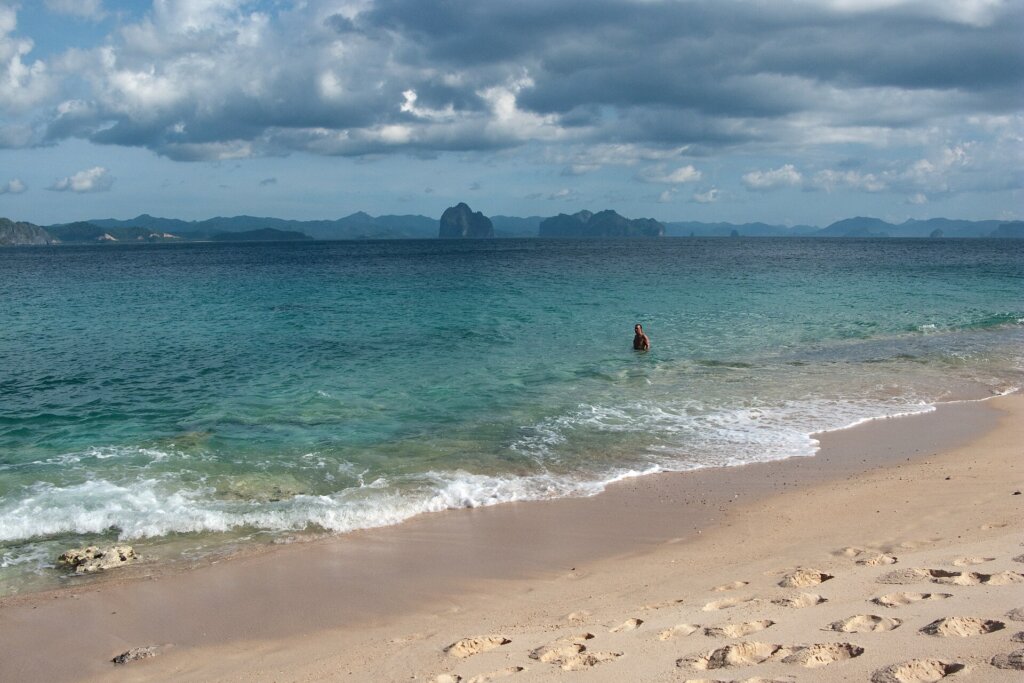
TL;DR: Choose El Nido for turquoise lagoons, island hopping, snorkeling and a lively beach-town base; choose Batanes for windswept hills, Ivatan stone-house culture, cooler weather and very few crowds. For a first Philippines trip with beach time, El Nido usually wins; for a second trip or landscape photography, Batanes is hard to beat.
El Nido and Batanes sit at opposite ends of the Philippines, and they could hardly feel more different. One is a tropical limestone archipelago built around boats and beaches; the other is a remote, rugged province of rolling green hills, cliffs and centuries-old stone houses at the country’s northern tip.
This guide focuses on the El Nido vs Batanes decision specifically for travelers with one week (or less) who can only fit one of them into a Philippines itinerary. We compare access, weather windows, costs, activities and the overall vibe, then give a clear recommendation by traveler type.
- Quick Comparison: El Nido vs Batanes at a Glance
- Getting There: Access and Time Cost
- Weather Windows and Typhoon Risk
- What You Actually Do in Each Place
- Costs: Which Is Cheaper?
- The Vibe: Crowds, Culture and Pace
- Which Should You Choose? Recommendations by Traveler Type
- Sample 4-Day Plans for Each Destination
- Key Takeaways
- Frequently Asked Questions
Quick Comparison: El Nido vs Batanes at a Glance
| Factor | El Nido (Palawan) | Batanes |
|---|---|---|
| Landscape | Limestone islands, lagoons, white-sand beaches | Rolling hills, sea cliffs, boulder beaches, lighthouses |
| Main activity | Island hopping, snorkeling, kayaking, beach time | Road and hill touring, cultural sites, photography, hiking |
| Getting there from Manila | Direct flight to Lio (ENI), or fly to Puerto Princesa + ~5–6 hr van | Direct flight to Basco (BSO), roughly 1.5–2 hours |
| Best months | Roughly December to May (dry season) | Roughly March to May (calmest, sunniest window) |
| Typhoon exposure | Moderate; most typhoons pass north of Palawan | High; Batanes sits directly in a common typhoon path |
| Crowds | Busy in peak season, especially lagoons | Low year-round; flights cap visitor numbers |
| Swimming | Excellent, calm bays and lagoons | Limited; strong currents, rocky shores |
| Accommodation range | Hostels to luxury island resorts | Small inns, homestays and a few boutique hotels |
| Nightlife | Bars, live music, beach clubs | Very quiet; early nights |
Getting There: Access and Time Cost
El Nido has two main routes. The fastest is a direct flight into Lio Airport (ENI), a few minutes north of town, but seats are limited and fares are higher. The budget route is a flight to Puerto Princesa followed by a van ride of around five to six hours. Our guide to getting to El Nido breaks down both options, and where El Nido sits in Palawan helps with distances.
Batanes is reached by flying from Manila (and occasionally Clark) to Basco Airport on Batan Island. Check current routes and advisories on the Philippine Department of Tourism site before booking. There is no practical sea route for tourists from Luzon, so your trip depends on the flight. In bad weather, flights are delayed or cancelled, which is the single biggest planning risk. Building one buffer day at the end of a Batanes trip is standard advice.
Inside each destination, getting around is also different. El Nido revolves around boat tours from the town beach or Corong-Corong. Batanes is explored by tricycle, rented bike, van tour or e-bike on Batan, plus a short but often rough boat crossing (the faluwa) to Sabtang Island.
Weather Windows and Typhoon Risk
This is where the two destinations diverge the most. El Nido’s dry season runs roughly from December to May, with the calmest seas often in March to May. During the southwest monsoon (habagat), roughly June to October, some tours are cancelled by the Coast Guard, but plenty of sunny days still occur.
Batanes lies in the far north, close to Taiwan, and sits in one of the most active typhoon corridors in the western Pacific. The PAGASA weather bureau regularly issues its highest wind signals for Batanes during typhoon season. December to February brings cool, windy and often grey conditions with rough seas to Sabtang. That leaves March to May as the sweet spot, with green hills, clearer skies and calmer crossings.
If your dates are fixed in the second half of the year, El Nido is the safer bet. If you can travel in April, both work beautifully.
What You Actually Do in Each Place
El Nido: a water-first destination
Days in El Nido are built around island-hopping tours through Bacuit Bay: Big and Small Lagoon, Secret Lagoon, Hidden Beach, snorkeling reefs and limestone islets. Compare the classic routes in our Tour A vs Tour B guide. On land, you can ride a motorbike to Nacpan Beach, climb Taraw Cliff, or watch the sunset at Las Cabanas.
Batanes: a land-first destination
Batanes is about scenery and culture. Highlights on Batan Island include the Vayang Rolling Hills, the Basco Lighthouse on Naidi Hills, Racuh a Payaman (often called “Marlboro Country”), and the Ivatan stone houses of villages such as Uyugan. On Sabtang, the stone-house village of Chavayan and the Morong Beach rock arch are favorites. The area is recognized as the Batanes Protected Landscapes and Seascapes and has been on the UNESCO World Heritage tentative list.
Swimming is not the point in Batanes. Many shores are rocky and exposed, and currents can be strong. If clear-water swimming is essential, El Nido wins outright.
Costs: Which Is Cheaper?
Neither destination is the cheapest in the Philippines, but the cost profiles differ.
- Flights: Batanes flights are typically pricier than flights to Puerto Princesa because fewer seats serve a remote airport. Direct flights to El Nido’s Lio Airport can be similar or higher than Batanes.
- Accommodation: El Nido has every tier, from dorm beds to high-end island resorts. Batanes has fewer rooms overall, so good inns sell out in April; prices are moderate but choice is limited.
- Daily activities: El Nido’s group island-hopping tours are good value, and private boats cost more. Batanes tours are usually priced per vehicle, which is efficient for groups and expensive for solo travelers.
- Food: El Nido has many restaurants at all price points. Batanes dining is simpler and more local, with Ivatan dishes and fewer options.
For a budget backpacker, El Nido via Puerto Princesa is usually cheaper. For a couple or group sharing a vehicle, Batanes costs can be reasonable outside the April peak.
The Vibe: Crowds, Culture and Pace
El Nido has a busy, social energy in peak season. You will meet other travelers on boats, and the town has bars, cafés and live music. Popular lagoons can be crowded mid-morning, which is why tour timing matters.
Batanes feels like the opposite. Limited flights mean limited visitors. Ivatan culture is visible everywhere, from traditional vakul headgear to stone houses built to withstand typhoons. The pace is slow and towns are quiet by evening. Many visitors describe it as the most peaceful place they have been in the Philippines.
Which Should You Choose? Recommendations by Traveler Type
- First-time visitors to the Philippines: El Nido. It delivers the classic turquoise-water experience and is easier to combine with Coron (see El Nido vs Coron).
- Landscape photographers and hikers: Batanes, ideally in April.
- Beach and snorkel lovers: El Nido, without question.
- Travelers seeking quiet and culture: Batanes.
- Families with young kids: El Nido, thanks to calm bays and more facilities.
- Travel between June and November: El Nido is the lower-risk choice.
Still undecided between beach destinations? Compare surf-and-island vibes in our El Nido vs Siargao guide.
Sample 4-Day Plans for Each Destination
If you are still torn, picturing an actual short trip often settles it. Here is how four days typically look in each place.
Four days in El Nido
- Day 1: Arrive, check in, and catch the sunset at Las Cabanas or Marimegmeg Beach.
- Day 2: Join Tour A for Big Lagoon, Small Lagoon and Seven Commandos Beach. Book a day ahead in peak season.
- Day 3: Take Tour C for Hidden Beach and Secret Beach, or charter a private boat to beat the crowds.
- Day 4: Ride a motorbike or tricycle to Nacpan Beach for a slow final day before flying out.
Four days in Batanes
- Day 1: Fly into Basco, then explore Naidi Hills and the Basco Lighthouse at sunset.
- Day 2: North Batan tour: Vayang Rolling Hills, Valugan Boulder Beach and Fundacion Pacita viewpoints.
- Day 3: South Batan tour: Racuh a Payaman, stone houses in Uyugan and Ivana, and the famous honesty coffee shop.
- Day 4: Cross to Sabtang by faluwa for Chavayan village and the Morong Beach arch, weather permitting. Keep an extra day free in case flights or boats are cancelled.
Notice the difference: an El Nido plan is shaped by boat schedules and the sea, while a Batanes plan is shaped by roads, viewpoints and the weather window for flights. Pick the rhythm that sounds more like your ideal holiday.
Key Takeaways
- El Nido is a water-first destination; Batanes is a land-and-culture destination.
- Batanes’ best window is roughly March to May; it is highly exposed to typhoons later in the year.
- El Nido offers far more accommodation and dining choice at every budget.
- Always add a buffer day for Batanes because weather often disrupts flights.
- For a first Philippines trip with beach time, El Nido is the stronger pick.
Frequently Asked Questions
Is Batanes better than El Nido?
Neither is objectively better. El Nido is best for beaches, lagoons and snorkeling, while Batanes is best for rolling hills, cliffs, Ivatan culture and quiet. Choose based on whether you want water or landscapes.
When is the best time to visit Batanes?
Roughly March to May, when skies are clearer, hills are green and sea crossings to Sabtang are calmer. June to November is typhoon season, and December to February is cool and windy.
Can you swim in Batanes like in El Nido?
Only in limited spots. Many Batanes shores are rocky and exposed to strong currents. El Nido has calm bays, lagoons and reefs ideal for swimming and snorkeling.
Can I visit El Nido and Batanes on one trip?
Yes, but they are at opposite ends of the country, so you will connect through Manila. Plan at least 10 days to enjoy both, with a buffer day for Batanes flight delays.
Which is cheaper, El Nido or Batanes?
El Nido is usually cheaper for budget travelers, especially via Puerto Princesa. Batanes flights and per-vehicle tours tend to cost more, though groups can share costs.
About the Author
This guide was compiled by the El Nido Hotels Ranking editorial team, with input from local operators and ongoing on-the-ground updates.