TL;DR: Choose El Nido if you want dramatic limestone karst scenery, cheap daily island-hopping tours and a lower total trip cost; choose Fiji if you want an all-inclusive resort escape, soft-coral diving and easy access from Australia or New Zealand.
El Nido in northern Palawan and the islands of Fiji both appear on almost every “best tropical islands” list, yet they deliver very different holidays. This guide focuses on El Nido vs Fiji specifically for travelers deciding between the two for a 7–14 day beach trip in 2026, especially couples and divers who are flexible on where they fly from. Rather than repeating generic praise, we compare the things that actually change your trip: how you get there, what the water and scenery look like, what a day costs, and which months work best.
If you are also weighing other island rivals, see our El Nido vs Maldives, El Nido vs Seychelles and El Nido vs Raja Ampat comparisons.
El Nido vs Fiji at a Glance
The quick comparison table below summarizes the biggest differences. Prices are typical 2026 ranges for mid-range travelers and will vary by season and booking window.
| Factor | El Nido (Palawan, Philippines) | Fiji |
|---|---|---|
| Signature scenery | Limestone karst cliffs, hidden lagoons, Bacuit Bay islets | Volcanic high islands, white-sand cays, wide outer reefs |
| Main gateway | Manila, then flight to Lio Airport or land transfer from Puerto Princesa | Nadi International Airport (NAN) on Viti Levu |
| Typical travel style | Town or beach base plus daily boat tours | Island resort stay, often with meal plans |
| Mid-range room per night | USD 60–180 | USD 180–450 |
| Group island tour | Roughly PHP 1,400–2,200 per person | Day cruises often FJD 150–300 per person |
| Best months | November/December to May (dry season) | May to October (cooler, drier) |
| Diving highlight | Easy reef and wall dives in Bacuit Bay | Soft corals, Rainbow Reef, Great Sea Reef |
Getting There: Flights, Transfers and Total Travel Time
Access is often the deciding factor. Fiji is built around one main international hub, Nadi, which receives direct flights from Australia, New Zealand, the US West Coast and parts of Asia and the Pacific. From Nadi, most resort islands in the Mamanuca and Yasawa groups are a ferry, seaplane or helicopter ride away, so you can be on your island the same day.
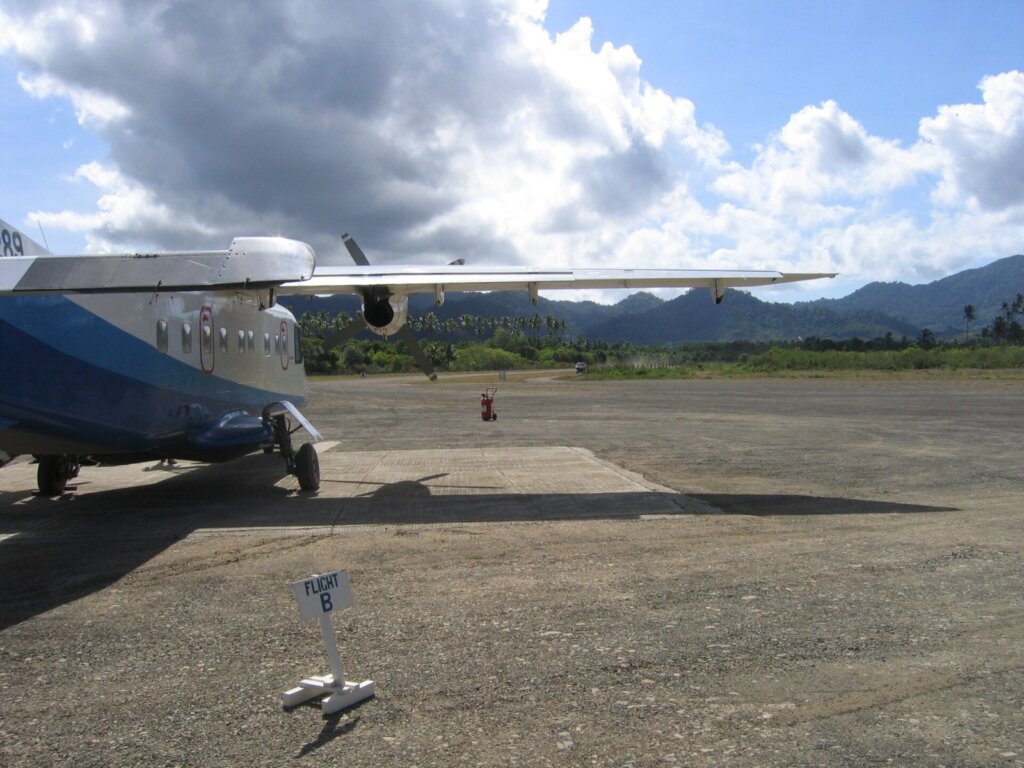
El Nido requires one extra step for most travelers. You fly internationally into Manila (or Cebu), then take a domestic flight straight to Lio Airport just north of El Nido town, or fly to Puerto Princesa and ride a van for five to six hours. Our guide to the Lio Airport (ENI) flights explains the direct option, and if you go via Puerto Princesa, read whether to overnight in Puerto Princesa first.
For travelers starting in East or Southeast Asia, El Nido is usually faster and much cheaper to reach. For Australians and New Zealanders, Fiji is often a shorter, simpler trip. Travelers from Europe and North America face long journeys either way, so cost and scenery should decide.
Scenery, Beaches and Diving
El Nido’s look is unmistakable: sheer grey limestone towers rising from turquoise water, with narrow lagoons you can paddle into by kayak. The Big Lagoon, Small Lagoon, Secret Lagoon and beaches like Seven Commandos are all within a short boat ride of town. Compare the main routes in our Tour A vs Tour C guide.
Fiji’s beauty is softer and more classic South Pacific: palm-fringed islands, long sandbars and coral reefs that extend far from shore. The Yasawa and Mamanuca islands deliver postcard white sand, while larger islands such as Taveuni and Kadavu feel greener and wilder. If your dream image is a hammock over a wide white beach, Fiji wins; if it is cliffs and hidden lagoons, El Nido is hard to beat.
Diving and Snorkeling Compared
Both destinations are excellent for underwater exploration, but in different ways. El Nido’s Bacuit Bay offers shallow coral gardens, turtles, reef fish and relaxed wall dives that suit beginners and snorkelers. Many marine areas fall within the El Nido–Taytay Managed Resource Protected Area, and visitors pay an environmental fee that supports conservation.
Fiji is often called the soft coral capital of the world. Sites in the Somosomo Strait, including the Rainbow Reef near Taveuni, and the Great Sea Reef in the north are major draws for experienced divers. Shark dives near Beqa Lagoon are another famous experience. Serious divers who want variety and strong currents will usually lean toward Fiji, while casual snorkelers get more for their money in El Nido.
Costs: What a Day Really Costs in 2026
El Nido is the clear budget winner. A couple can stay in a good mid-range hotel, join a group island-hopping tour, and eat at local restaurants for far less than a single resort night costs in many Fijian islands. Private boat charters, luxury island resorts and fine dining exist in El Nido too, but they remain optional.
Fiji has budget backpacker resorts, especially in the Yasawas, but many island stays rely on compulsory meal plans and boat transfers, which push costs up. Remember to budget for cash in El Nido as card acceptance is patchy outside larger hotels; our El Nido ATM and cash guide explains what to expect.
Best Time to Visit Each Destination
The two destinations have nearly opposite ideal seasons, which makes the choice easier if your dates are fixed. El Nido’s dry season generally runs from November or December to May, with calm seas from about January to April. The southwest monsoon (habagat) from June to October brings more rain and tour cancellations; check forecasts from PAGASA, the Philippine weather bureau.
Fiji’s drier, cooler period runs roughly from May to October, while November to April is warmer, wetter and the official cyclone season according to the Fiji Meteorological Service. So for a December to April holiday, El Nido usually offers better weather; for a June to September holiday, Fiji usually does.
Who Should Choose Which?
Choose El Nido if: you love photography and dramatic landscapes, want to island-hop every day, travel on a moderate budget, or are already in Asia. Couples, friends and active families all thrive here.
Choose Fiji if: you want a single resort to relax at, prefer English-speaking Pacific hospitality with kids’ clubs and meal plans, are an experienced diver chasing soft corals, or are flying from Australia or New Zealand.
Official visitor information is available from Tourism Fiji and the Philippine Department of Tourism; always confirm entry rules with official immigration sources before booking.
Sample 7-Day Plan: El Nido
Day 1: arrive at Lio Airport, check in and watch sunset from a beach bar. Days 2–4: join Tour A, Tour C and a private lagoon kayak morning, leaving afternoons free for rest. Day 5: rent a scooter or tricycle to Nacpan Beach, one of the longest beaches in the area. Day 6: try a dive or the Taraw Cliff climb above town. Day 7: a slow breakfast and souvenir shopping before your flight. This plan gives you variety without needing to change hotels, and it stays flexible if one boat day is cancelled by weather.
Sample 7-Day Plan: Fiji
Day 1: arrive in Nadi and transfer to a Mamanuca island resort by ferry. Days 2–4: snorkel the house reef, take a day cruise to a sandbar and enjoy resort activities such as kayaking and village visits. Day 5: move to a second island or stay put for spa time. Day 6: dive or join a cultural kava ceremony. Day 7: return to Nadi for your flight. Fiji trips tend to be slower and more resort-focused, which many travelers see as a feature rather than a drawback.
Food, Culture and Atmosphere
El Nido town is lively, with fresh seafood grills, cafes, bars and a growing restaurant scene; Filipino hospitality is warm and English is widely spoken. Fiji’s resort islands are quieter, and meals are usually taken at your resort, though Fijian culture shines through in welcome songs, lovo feasts and village visits. If you enjoy wandering a small town at night, El Nido gives you more choice; if you prefer total seclusion, Fiji resorts deliver it.
Key Takeaways
- El Nido offers limestone karst lagoons; Fiji offers classic South Pacific white-sand islands.
- El Nido is typically far cheaper per day, especially for accommodation and tours.
- Fiji is easier from Australia and New Zealand; El Nido is easier from Asia.
- Visit El Nido roughly December–May and Fiji roughly May–October for the best weather.
- Experienced divers may prefer Fiji’s soft corals; snorkelers and beginners love Bacuit Bay.
Frequently Asked Questions
Is El Nido cheaper than Fiji?
Yes. In most cases El Nido is significantly cheaper, with mid-range rooms and group island tours costing a fraction of Fijian island resort rates and transfers.
Which has better diving, El Nido or Fiji?
Fiji is generally better for experienced divers thanks to its soft corals and sites like the Rainbow Reef. El Nido is excellent for relaxed reef dives and snorkeling.
When is the best time to visit El Nido compared to Fiji?
El Nido is best from about December to May, while Fiji is best from about May to October, so the two have almost opposite peak seasons.
Can I combine El Nido and Fiji in one trip?
It is possible but impractical for most travelers because there are few convenient direct connections. Most people choose one destination per trip.
Is El Nido or Fiji better for honeymooners?
Both work well. Fiji suits couples wanting an all-inclusive private island, while El Nido suits couples who want adventure, lagoon tours and sunsets with a lower budget.
About the Author
This guide was compiled by the El Nido Hotels Ranking editorial team, with input from local operators and ongoing on-the-ground updates.