TL;DR: Choose El Nido for world-class limestone lagoons, organized island-hopping and easy tourist infrastructure; choose Romblon for empty beaches, marble-town culture and a slow, uncrowded island trip — if you can accept harder access and fewer services.
El Nido is the Philippine island trip almost everyone has heard of: towering karst cliffs, turquoise lagoons and a tour menu that runs like clockwork. Romblon, a small province of islands in the middle of the Sibuyan Sea, is the opposite — a place most international visitors have never considered, known locally for its marble, its quiet white-sand beaches and its unhurried pace.
This guide focuses on El Nido vs Romblon specifically for repeat Philippines visitors and crowd-averse travelers who have seen (or are tired of hearing about) the big names and want to know whether an off-radar alternative is worth the extra effort. We compare scenery, access, costs, crowds and activities, then give a clear verdict for different traveler types.
If you are also weighing other mainstream options, see our El Nido vs Coron and El Nido vs Siargao comparisons.
Quick Comparison Table
Here is how the two destinations stack up at a glance. Cost levels are relative and based on typical 2025–2026 traveler reports rather than fixed prices.
| Factor | El Nido (Palawan) | Romblon |
|---|---|---|
| Signature scenery | Limestone karst cliffs, lagoons, Bacuit Bay islands | White-sand beaches, sandbars, green hills, marble towns |
| Access from Manila | Direct flight to Lio (ENI), or fly to Puerto Princesa + 5–6 hr van | Flight to Tablas (Tugdan) or overnight ferry from Batangas; inter-island boats |
| Crowds | Busy, especially December–May | Very low; many beaches nearly empty |
| Tourist infrastructure | Extensive: tours, dive shops, restaurants, bars | Basic: limited tours, simple inns, few restaurants |
| Typical daily budget | Mid to high | Low to mid |
| Best for | First-timers, photographers, couples, divers | Slow travelers, repeat visitors, island-hoppers on their own terms |
Scenery and Beaches
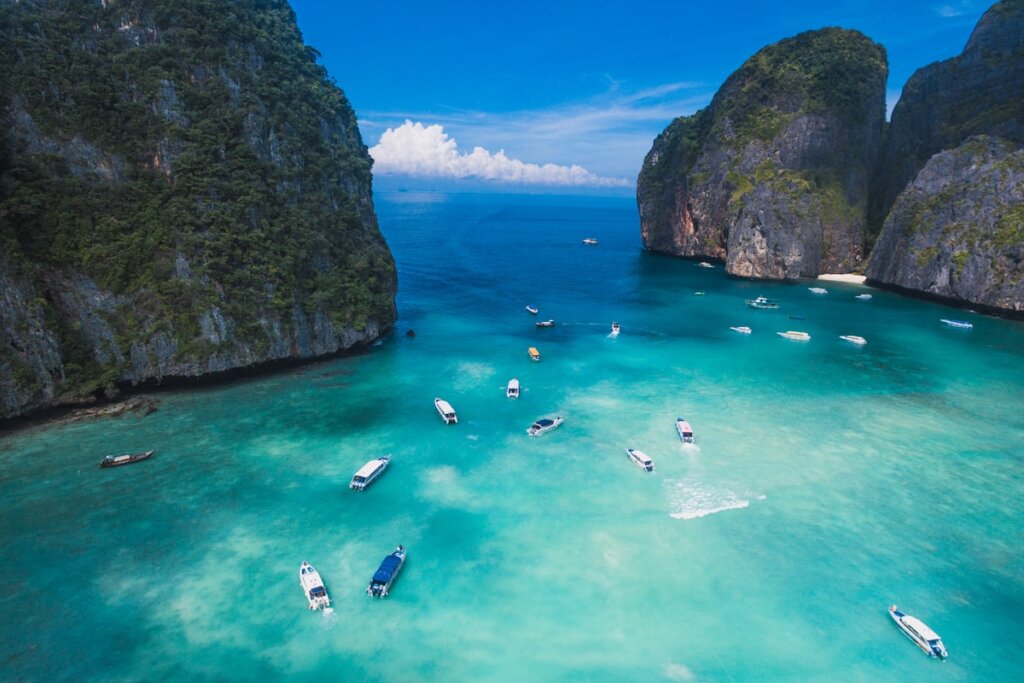
El Nido wins on drama. Bacuit Bay’s limestone islands, hidden lagoons such as Big Lagoon and Small Lagoon, and beaches like Seven Commandos and Nacpan are among the most photographed seascapes in Southeast Asia. The geology — ancient karst rising sheer from the sea — is genuinely unusual, and it is the reason El Nido regularly appears on global best-beach lists.
Romblon is softer and greener. Its appeal is long stretches of fine sand, clear shallows and sandbars that appear at low tide, framed by hills rather than cliffs. Bonbon Beach near Romblon town is known for its sandbar linking to a small island, and nearby islets such as Cobrador offer snorkeling with very few other visitors. On Sibuyan, Mount Guiting-Guiting dominates the skyline and draws serious hikers. Smaller islands like Carabao, close to Boracay, have quiet beaches and cliff-jumping spots.
If your mental picture of a dream trip is lagoon kayaking under towering cliffs, Romblon will not match it. If it is a near-empty beach with a book and a fresh coconut, Romblon may beat El Nido.
Getting There and Getting Around
Access is where the two destinations diverge most sharply.
El Nido
You can fly directly from Manila to El Nido’s Lio Airport on small aircraft, or take a cheaper flight to Puerto Princesa and ride a van north for five to six hours. Once there, tricycles, scooters and organized tour boats make getting around simple. Our Lio Airport guide covers the direct route.
Romblon
The main air gateway is Tugdan Airport on Tablas Island, with limited weekly flights. Many visitors instead take overnight ferries from Batangas to ports such as Odiongan or Romblon town, then connect between islands by passenger boat. Schedules are less frequent and more weather-dependent than El Nido’s, so build in buffer days and check operators directly before you go. Moving between Tablas, Romblon Island and Sibuyan can take most of a day.
The practical upshot: El Nido is achievable on a long weekend; Romblon is better suited to a week or more of flexible travel.
Best time to visit each
Both destinations share the same broad climate pattern: the drier northeast monsoon (amihan) from roughly November to May and the wetter southwest monsoon (habagat) from about June to October. In El Nido, March to May brings the calmest seas and the biggest crowds, while December and January can be breezy on exposed tour routes. Romblon’s ferries and small inter-island boats are more vulnerable to rough seas than El Nido’s day tours, so the dry months matter even more there. Typhoons can affect both regions in the second half of the year; check PAGASA advisories before any sea crossing, and read our monsoon seasons guide for El Nido specifics.
Costs, Crowds and Comfort
Costs. El Nido has every price tier from hostels to private-island resorts, but its popularity pushes up rates, especially in peak season; island-hopping tours, the Eco-Tourism Development Fee and frequent restaurant meals add up. Romblon is generally cheaper day to day — simple inns, local eateries and privately arranged boats cost less — though transport can be pricier if you charter boats for small groups.
Crowds. El Nido’s top lagoons can be busy with boats by mid-morning in high season, and the municipality caps visitor numbers at some sites. Romblon rarely sees crowds at all; you may share a beach with only a few local families.
Comfort. El Nido offers reliable Wi-Fi in most hotels, card payments in many venues, international food and a nightlife scene. In Romblon, expect fewer ATMs, patchier signal on remote islands and simpler rooms. If you rely on good connectivity for work, El Nido is the safer bet; see our SIM and eSIM guide.
Booking El Nido for December to April? Our peak-season booking timeline explains how far ahead to reserve.
Activities, Culture and Verdict by Traveler Type
El Nido is built around island-hopping. Tours A to D cover lagoons, beaches, caves and snorkel spots, and you can add diving, kayaking, sailing on traditional paraw boats and multi-day expeditions to Coron. Compare the options in our Tour A–D comparison.
Romblon’s activities are more do-it-yourself. Hire a boat to visit islets and sandbars, snorkel off quiet beaches, hike on Sibuyan, or explore Romblon town’s marble workshops, where artisans carve everything from tabletops to statues. The town’s Spanish-era Fort San Andres and the cathedral are worth an hour, and the slower pace makes it easier to connect with local life.
For background, see the Romblon province overview and the El Nido overview. The Department of Tourism publishes current travel advisories for both regions.
Verdict by traveler type
- First-time visitors: El Nido. The combination of famous scenery, easy logistics and plentiful accommodation makes it the lower-risk choice when you have limited time.
- Couples and honeymooners: El Nido for luxury resorts and sunset sailing; Romblon if your idea of romance is having a beach almost to yourselves.
- Families with young children: El Nido, mainly because of shorter transfers, better medical access and a wider range of family rooms.
- Backpackers on a long trip: Romblon is attractive for its lower costs and authentic feel, provided you are relaxed about ferry schedules.
- Divers and snorkelers: El Nido has more dive operators and established sites; Romblon offers quiet snorkeling but fewer professional services.
- Remote workers: El Nido, thanks to more reliable internet and co-working options in town.
Whichever you pick, travel lightly on plastic, use reef-safe sunscreen and support small local businesses — both destinations depend on healthy reefs and beaches for their future.
Key Takeaways
- El Nido has the more dramatic limestone scenery and the easiest organized island-hopping in the Philippines.
- Romblon offers quieter white-sand beaches, sandbars and marble-town culture with very few tourists.
- El Nido is reachable on a short trip via direct flights to Lio; Romblon needs flexible time for ferries and inter-island boats.
- Daily costs are usually lower in Romblon, but chartered boats and limited services can offset savings.
- First-timers should pick El Nido; repeat visitors and crowd-averse slow travelers may prefer Romblon.
Final Thoughts
El Nido and Romblon are not really competitors — they serve different trips. El Nido is the polished, spectacular choice that delivers its famous views reliably, even on a short holiday. Romblon rewards patience with empty beaches and a glimpse of everyday island life, at the cost of convenience. If this is your first Philippines beach trip, start with El Nido. If you have done the classics and want somewhere that still feels undiscovered, Romblon is well worth the extra effort. And if you want the best of both, consider combining them on a longer trip with a Manila stopover in between.
Frequently Asked Questions
Is Romblon cheaper than El Nido?
Generally yes for day-to-day spending on rooms and food, because Romblon sees far fewer tourists. However, chartering boats between islands for a small group can be expensive, so overall costs depend on how much you move around.
How do you get to Romblon from Manila?
Most travelers either fly to Tugdan Airport on Tablas Island or take an overnight ferry from Batangas to Odiongan or Romblon town. Schedules change seasonally, so check with airlines and ferry operators before booking.
Does Romblon have lagoons like El Nido?
No. Romblon is known for beaches, sandbars and green hills rather than the enclosed limestone lagoons that define El Nido. If lagoons are your priority, choose El Nido.
Can I combine El Nido and Romblon in one trip?
Yes, but there is no direct link. You would typically route through Manila or Batangas between the two, so allow at least ten days to avoid spending most of the trip in transit.
Which is better for first-time visitors to the Philippines?
El Nido is better for first-timers thanks to easier access, organized tours, more accommodation choice and stronger tourist services. Romblon suits travelers comfortable with basic infrastructure and flexible plans.
About the Author
This guide was compiled by the El Nido Hotels Ranking editorial team, with input from local operators and ongoing on-the-ground updates.