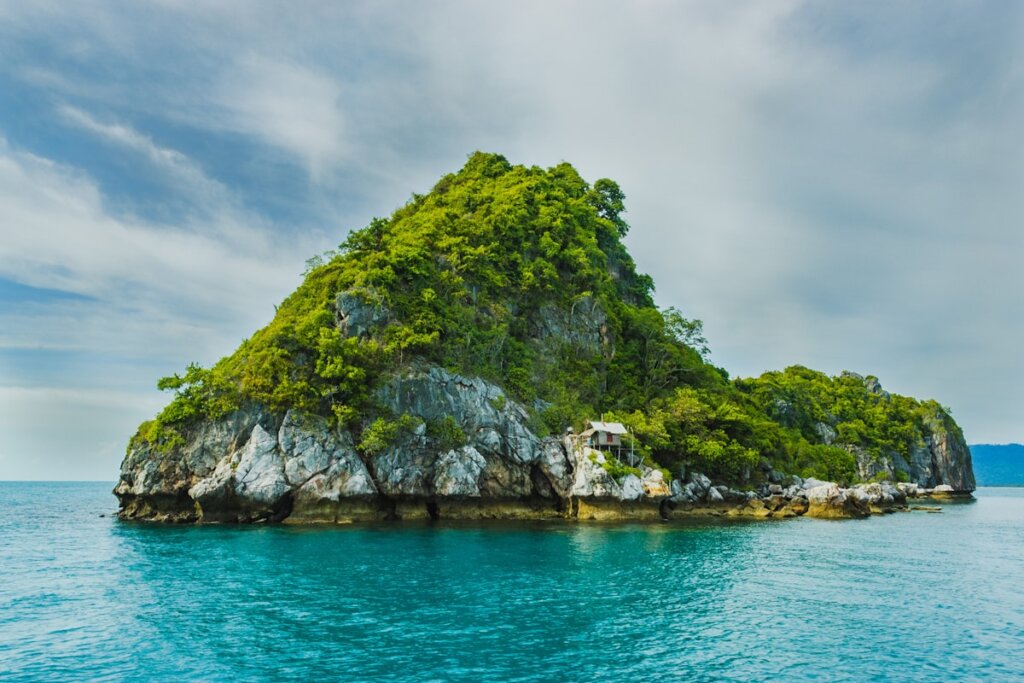
TL;DR: Choose El Nido if you want boat days among limestone islands, lagoons and reefs; choose Tulum if you want Mayan ruins, cenotes and a design-led beach-club scene with easier long-haul access from North America.
El Nido in Palawan and Tulum on Mexico’s Riviera Maya often end up on the same shortlist. Both are photogenic, laid-back beach towns with a strong traveler scene, both have grown fast over the past decade, and both reward people who like the outdoors more than shopping malls. Yet the day-to-day experience is very different. This guide focuses on El Nido vs Tulum specifically for travelers choosing one long-haul beach trip in 2026, especially couples and friend groups from North America, Europe and Asia who want an honest side-by-side before booking flights.
Our unique angle: instead of ranking which place is “prettier”, we compare how each destination actually fills your days — where the scenery sits, how you reach it, what the seasons do to it, and what it costs once you are on the ground. If you are already weighing Asian alternatives, our El Nido vs Krabi comparison uses the same approach.
Quick Comparison: El Nido vs Tulum at a Glance
| Factor | El Nido (Philippines) | Tulum (Mexico) |
|---|---|---|
| Signature scenery | Limestone karst islands, lagoons and coves in Bacuit Bay | Cliff-top Mayan ruins, white-sand Caribbean beach, cenotes |
| How you spend days | Boat-based island hopping tours (Tours A–D), kayaking | Cycling between beach, ruins and cenotes; beach clubs |
| Best months (typical) | November to May | December to April |
| Main seasonal risk | Southwest monsoon (habagat) rain and choppy seas, roughly June–October | Sargassum seaweed and Atlantic hurricane season, roughly May/June–November |
| Access | Flight to El Nido (Lio) or Puerto Princesa plus a 5–6 hour van ride | Flight to Tulum (TQO) or Cancún (CUN) plus road transfer |
| Relative cost | Lower for rooms, food and group tours | Higher, especially in the beach and hotel zone |
| Nightlife | Relaxed bars and beach clubs in town and at Las Cabanas | Big beach-club and DJ scene, plus wellness retreats |
Scenery and Activities: Offshore Islands vs Land Adventures
The single biggest difference is where the beauty lives. In El Nido, the headline landscapes are offshore. The town itself is a busy strip facing Bacuit Bay, and the magic begins when a bangka boat pulls away: towering limestone islands, the Big and Small Lagoons, Secret Lagoon, Hidden Beach and Helicopter Island. Most visitors spend two to four days on island hopping tours, which are standardized into routes known as Tours A, B, C and D. If you are deciding between routes, our Tour A vs Tour C guide explains the trade-offs.
Tulum is the opposite: almost everything is reachable on land. The Tulum archaeological zone, managed by Mexico’s National Institute of Anthropology and History (INAH), sits on a cliff above the sea and is one of the most photographed Mayan sites anywhere. Inland, the Yucatán’s limestone shelf is pocked with cenotes — freshwater sinkholes where you can swim, snorkel and dive in startlingly clear water. Days typically involve cycling or driving between a cenote, the ruins, a beach-club lunch and a sunset dinner.
Both destinations sit on limestone, which is a nice coincidence: El Nido’s karst rises out of the sea as cliffs and islands, while Tulum’s karst sits underground as caves and cenotes. If you love swimming above coral reefs from a boat, El Nido has the edge. If you love history and freshwater caves, Tulum does.
Beaches and Water Quality
El Nido’s best beaches are scattered across dozens of islands and coves, so you rarely stay on one stretch of sand. On the mainland, Nacpan, Las Cabanas, Marimegmeg and Duli offer long beaches you can reach by tricycle or scooter. Water in Bacuit Bay is generally calm and clear in the dry season, and snorkeling is part of almost every tour.
Tulum’s beach is a long, continuous ribbon of white sand backed by palms and boutique hotels. On a good day, it is spectacular. The challenge is sargassum, a floating brown seaweed that has washed onto Caribbean coasts in large quantities in recent years, typically peaking in the warmer months. Researchers at the University of South Florida’s Sargassum Watch publish monthly outlooks that are worth checking before you book. El Nido does not have a comparable seaweed problem, but it does have its own trade-off: popular lagoons can feel crowded at peak hours.
Weather and Best Time to Go
The two destinations happen to share a similar “good season”, which matters if you have fixed vacation dates.
- El Nido: The northeast monsoon (amihan) and dry season usually bring the calmest western seas from about November to May, with March to May the hottest stretch. The southwest monsoon (habagat) from about June to October brings more rain and sometimes cancelled boat tours. The PAGASA weather bureau is the authoritative source for advisories. Our month-by-month El Nido weather guide breaks this down further.
- Tulum: December to April is typically dry, sunny and less humid. Atlantic hurricane season officially runs June 1 to November 30, and the U.S. National Hurricane Center is the go-to source for storm tracking.
In other words, if you can only travel in July or August, neither destination is at its best — but El Nido’s rainy days are often broken by sunny spells, while Tulum’s summer risk is more about seaweed and storms than rain alone.
Costs: Where Your Budget Goes Further
For most travelers, El Nido is the more affordable destination once you arrive. Group island hopping tours are priced per person and usually include lunch on the boat. Local eateries, fruit shakes and street snacks are inexpensive, and there is a wide spread of accommodation from hostels to private-island resorts. Remember to budget for El Nido’s mandatory environmental fee, which is paid once per visit.
Tulum has some budget hostels in town, but the beach and hotel zone is one of the most expensive parts of the Mexican Caribbean. Beach clubs often have minimum spends, taxis are pricey, and boutique hotels charge premium rates in high season. You can control costs by staying in town (Tulum Pueblo), cycling, and eating at taquerías.
The wild card is flights. From the U.S. or Canada, Tulum is a short, cheap hop. From Asia, Australia or the Gulf, El Nido is closer. Our USA to El Nido routing guide shows the realistic options for North Americans.
Getting There and Getting Around
El Nido: Flying directly into El Nido’s Lio Airport from Manila (and occasionally Cebu) is the fastest route, but fares are higher and luggage limits stricter. The common budget route is a flight to Puerto Princesa followed by a five-to-six-hour van or bus ride north. Once there, you get around by tricycle, scooter or boat. The Philippine Department of Tourism lists official tourism information.
Tulum: Tulum International Airport (TQO) opened in late 2023 and has steadily added routes, while Cancún International (CUN) remains the main hub roughly two hours’ drive away. In town, bicycles, taxis and rental cars are standard, and the Tren Maya rail line now links Tulum with other Yucatán destinations.
Who Should Choose Which?
Choose El Nido if you want:
- Boat days through dramatic limestone islands and lagoons
- Snorkeling on reefs as a daily activity
- Lower daily costs and a wide range of stays, from hostels to private-island resorts
- A trip from Asia, Australia or the Middle East
Choose Tulum if you want:
- Mayan history, cenote swims and cycling between sights
- Design-focused boutique hotels, wellness retreats and a lively beach-club scene
- Short flights from North America
- A trip that combines easily with Cancún, Playa del Carmen or Bacalar
Missing tacos while in Palawan? Our Mexican food in El Nido guide has you covered.
Key Takeaways
- El Nido is a boat-first destination: the best scenery is offshore in Bacuit Bay, reached on island hopping tours.
- Tulum is a land-first destination: ruins, cenotes and beach clubs are all reachable by bike or car.
- El Nido is usually cheaper for rooms, food and tours; Tulum’s hotel zone is among the priciest stretches of the Mexican Caribbean.
- Watch the seasons: El Nido’s southwest monsoon runs roughly June to October, while Tulum faces sargassum seaweed and Atlantic hurricane season in the same months.
- Travelers from the Americas reach Tulum faster; travelers from Asia, Australia and the Middle East reach El Nido faster.
- If you can only do one, decide on what matters most: lagoons and karst (El Nido) or culture plus cenotes (Tulum).
Frequently Asked Questions
Is El Nido cheaper than Tulum?
In most cases, yes. Mid-range rooms, local meals and group boat tours in El Nido typically cost less than the equivalent in Tulum’s beach and hotel zone, where beachfront boutique hotels and beach-club minimum spends push budgets up. Flights to the Philippines can offset the savings for travelers starting in North America.
Which has better water for swimming and snorkeling?
El Nido generally wins for snorkeling, because the reefs and lagoons of Bacuit Bay are visited on almost every island hopping tour. Tulum’s beaches are beautiful, but the best swimming is often in cenotes, and the beach can be affected by sargassum in the warmer months.
When is the best time to visit El Nido vs Tulum?
For El Nido, aim for roughly November to May, when the northeast monsoon and dry season usually bring calmer western seas. For Tulum, December to April is the classic window, before sargassum and hurricane season ramp up.
Can I combine El Nido and Tulum in one trip?
Not practically. They sit on opposite sides of the world, and connecting them takes at least two long-haul flights. Treat them as separate trips and pick based on your season and starting point.
Is El Nido or Tulum better for a honeymoon?
Both work. El Nido suits couples who want private island resorts and boat days; Tulum suits couples who want boutique design hotels, wellness retreats and restaurants. See our El Nido private pool villa guide if you lean toward the Philippines.
About the Author
This guide was compiled by the El Nido Hotels Ranking editorial team, with input from local operators and ongoing on-the-ground updates.
Featured photo: Vyacheslav Argenberg (CC BY 4.0), via Wikimedia Commons.