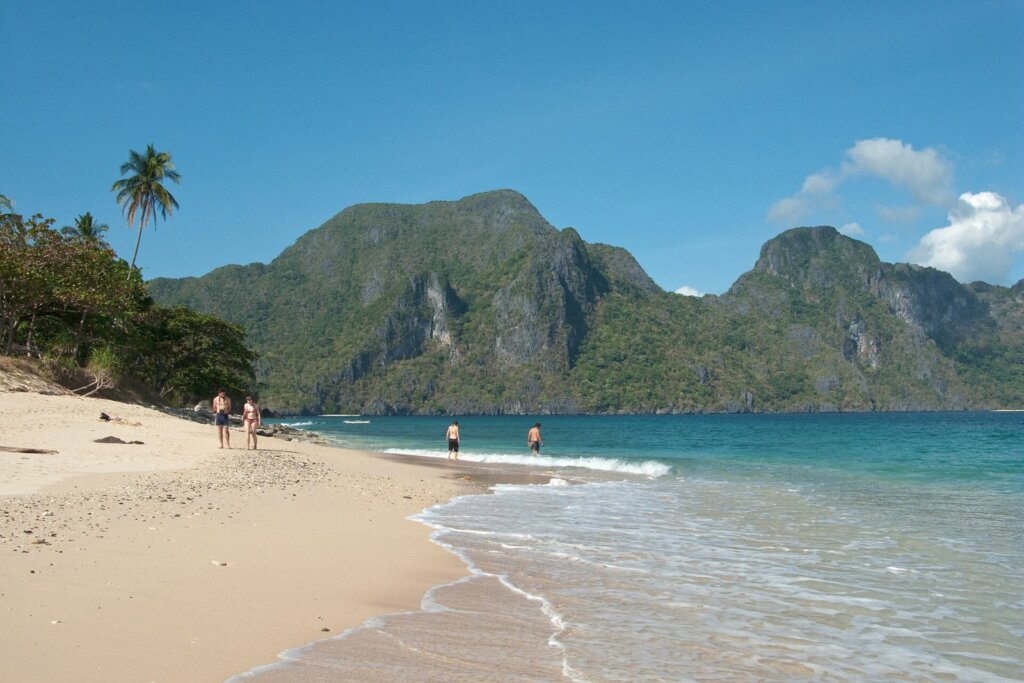
Both places are famous for sheer limestone cliffs rising out of emerald water, so travelers planning a Southeast Asian island holiday often end up stuck between them. This guide focuses specifically on first-time visitors choosing between El Nido in Palawan and Krabi on Thailand’s Andaman coast, comparing scenery, island hopping, costs, weather, food, and the effort it takes to get there. By the end you should know which one fits your travel style, and when to go.
The Short Answer: Who Should Pick Which
If you want dramatic lagoons, quiet coves, and a small-town feel where the main activity is a boat tour each morning, El Nido is hard to beat. If you want easy logistics, a wide range of beaches, big-name day trips, and a livelier nightlife and dining scene, Krabi usually wins. Neither is objectively better; they reward different priorities.
El Nido sits on the northern tip of Palawan and is built around Bacuit Bay, an archipelago of roughly forty-five islands and islets. Krabi is a province with several hubs: Ao Nang, Railay, Krabi Town, and the offshore islands such as Koh Phi Phi and Koh Lanta. That difference matters. El Nido is one compact destination, while Krabi is a region you assemble from several bases.
Scenery and Beaches
The karst scenery is the shared draw. In El Nido, the typical postcard is a hidden lagoon reached by kayak or a narrow gap in the rock, with turquoise water and little shade. The official Philippines tourism site highlights Palawan for exactly this kind of landscape, and the area is protected under the Bacuit Bay marine reserve framework.
Krabi’s signature is a mix of long golden beaches, towering cliffs at Railay, and iconic spots like the Hong Islands and Phra Nang Cave Beach. The Tourism Authority of Thailand lists the province among its top coastal regions. Krabi’s beaches are generally easier to reach on foot or by longtail boat from the mainland, while El Nido’s best beaches are mostly accessed on organized boat tours.
For swimming from your hotel, Krabi’s Ao Nang and Railay offer more variety. For the feeling of floating through a private island maze, El Nido feels more remote. If you enjoy comparing Philippine options, our El Nido vs Bohol comparison covers another popular decision.
Island Hopping and Water Activities
El Nido’s island hopping is organized into color-coded tours (A, B, C, and D), each covering a different cluster of lagoons, beaches, and snorkeling stops. Tours typically run from about nine in the morning to late afternoon and include a simple grilled lunch on a beach. Our things to do in El Nido guide explains how the routes differ.
Krabi’s equivalent is the four-island tour and longer speedboat trips to Phi Phi or the Hong Islands. Trips tend to be shorter and more crowded at peak hours, but there is more choice, including rock climbing at Railay, sea kayaking through mangroves, and dive trips. Diving is strong in both areas; consult PADI for certified operators and site ratings.
Snorkeling quality in both places depends heavily on the day, tide, and how many boats are at a site. El Nido’s lagoons are calmer and photogenic; Krabi’s offshore islands generally offer clearer water on good days. If you will rent gear, read our notes on renting or bringing snorkel gear.
Getting There, Weather, and Best Time to Visit
Krabi has an international airport with many flights from Bangkok and regional hubs, plus connections from Phuket by road. Transfers to Ao Nang are short and straightforward. Getting around is easy with songthaews, taxis, and longtail boats to Railay.
El Nido is more of an effort. Most visitors fly into Puerto Princesa and take a van of roughly five to six hours, or fly directly into the small Lio airport on a limited schedule. Once there, the town is walkable and tricycles are available for the beaches. If you are building a Philippines itinerary, plan extra buffer days for weather and transport delays.
Both destinations follow a similar rhythm: a drier period in roughly November through April, and a wetter period during the monsoon months. Krabi’s peak season runs from late in the year to early spring, and the Thai Meteorological Department publishes regional forecasts. For El Nido, the Philippine weather bureau PAGASA is the official source for marine and storm advisories.
If you travel outside the dry months, expect rougher seas and the possibility of cancelled boat tours. Our El Nido rainy season guide explains what to expect, and refund rules for cancelled tours are worth reading before you book.
Costs, Food, and Nightlife
Both destinations can be done on a budget or a splurge. In general, Krabi offers more mid-range hotels and restaurants at competitive prices because of its larger tourism industry. El Nido’s prices rise during peak months because accommodation is limited, and many places only accept cash. Check current rates before you travel, since prices shift with season and exchange rates.
Food in Krabi leans toward Thai street food, night markets, and seafood grills. El Nido has fresh seafood, Filipino staples such as kinilaw and grilled fish, and a surprising number of international cafes. Nightlife in El Nido is relaxed beach bars and live music; Krabi, especially Ao Nang, has a broader choice of bars and entertainment.
Sample Itineraries and Practical Tips
El Nido in five days
Spend the first day settling in and walking the town and nearby beaches at sunset. Use days two to four for island hopping, ideally booking at least two different tours so you see both big and small lagoons. Keep the last day flexible for a kayak outing, a rest morning, or a weather delay. This rhythm keeps you from stacking too many early starts back to back.
Krabi in five days
Base yourself in Ao Nang or Railay for the whole stay. Dedicate one day to a four-island tour, one to a longer speedboat trip toward Phi Phi or the Hong Islands, and one to Railay’s beaches and viewpoints. Add a market evening and a spare day for a cooking class or sea kayaking. Because everything is close, you will spend less time in transit than in El Nido.
Practical tips before you book
Carry some cash in both destinations, even if hotels accept cards. In El Nido, ATMs can run low during busy periods, so withdraw before you head out on tour days. Pack reef-safe sunscreen, a dry bag, and quick-drying clothes, and read our El Nido packing list for the full checklist. Respect marine protected areas in both places by never touching coral or feeding fish, and avoid single-use plastics wherever you can.
Choose licensed operators and ask what is included in the tour price, such as environmental fees, lunch, and snorkel gear. Entry rules, visa-free stay lengths, and health requirements change, so confirm them with the official tourism and immigration websites of each country rather than relying on older blog posts. Book flights with some flexibility if you are traveling in the shoulder months, because weather disruptions are more likely.
Side-by-Side Comparison and Final Verdict
The table at the end of this section is a quick reference. Details such as flight availability and prices change, so confirm them on official or operator websites before booking.
Pick El Nido if you want a smaller, more remote destination where the boat tour is the main event, and you are comfortable with longer transfers and limited infrastructure. Pick Krabi if you want convenience, more variety in activities and dining, and flexible island options that you can mix with Phuket or Bangkok.
Some travelers combine both on a longer Southeast Asia trip, doing Thailand first and the Philippines second. If you do, build in rest days, check each country’s entry requirements on the official government sites, and keep a flexible schedule for weather. For a similar comparison that includes another Southeast Asian beach destination, see our El Nido vs Langkawi guide.
| Factor | El Nido | Krabi |
|---|---|---|
| Scenery | Hidden lagoons and karst islands in Bacuit Bay | Karst cliffs, long beaches, Railay and Hong Islands |
| Main activity | Organized island hopping tours A–D | Longtail boats, four-island tours, climbing, kayaking |
| Access | Puerto Princesa van (long) or limited Lio flights | International airport with short road transfers |
| Atmosphere | Small town, laid-back, early nights | Larger resort area, more nightlife |
| Dining | Seafood, Filipino dishes, cafes | Thai street food, markets, seafood grills |
| Best months | Roughly November to May | Roughly November to April |
| Payments | Cash often needed; limited ATMs | Cards widely accepted in resort areas |
Frequently Asked Questions
Is El Nido or Krabi better for first-time visitors to Southeast Asia?
Krabi is generally easier for first-timers because of its airport, transport options, and wider range of services. El Nido rewards visitors who are comfortable with a bit more planning and slower travel.
Which has better snorkeling?
It depends on the day and the site. Both have good spots. El Nido’s calm lagoons are popular for relaxed snorkeling, while Krabi’s offshore islands can have clearer water in good conditions.
Can I visit both on one trip?
Yes, but they are in different countries and you will need to fly via a hub such as Manila or Bangkok. Allow at least a few days in each place and leave buffer time for weather.
Is El Nido more expensive than Krabi?
Prices vary by season. El Nido can feel pricier at peak times because accommodation is limited, while Krabi offers more mid-range choices. Compare current rates before booking.
When is the best time to go to each?
Both are generally best in the drier months from roughly November to April or May. Always check local forecasts before committing to boat tours.
Photo: El Nido Bay, via Wikimedia Commons (CC BY 4.0)