
El Nido is one of the most beautiful places in the Philippines, and for most LGBTQ+ visitors it is also a relaxed and welcoming one. Still, knowing the local context before you land makes a real difference, from booking a room to reading the room in a small-town bar. This guide focuses on practical safety and cultural context specifically for gay, lesbian, bisexual, trans and queer travellers, including same-sex couples planning a trip to El Nido.
We cover how Filipinos generally view LGBTQ+ people, what the law does and does not say, how to book with confidence, and the health and safety details worth sorting before you fly.
How Welcoming Is El Nido?
The Philippines is often described as one of the more accepting countries in Asia for LGBTQ+ people. In the Pew Research Center’s global survey, a large majority of Filipinos said homosexuality should be accepted by society, one of the highest shares in the region. Gay and trans Filipinos are highly visible in entertainment, beauty and hospitality, and local fiestas across the country often include popular gay beauty pageants.
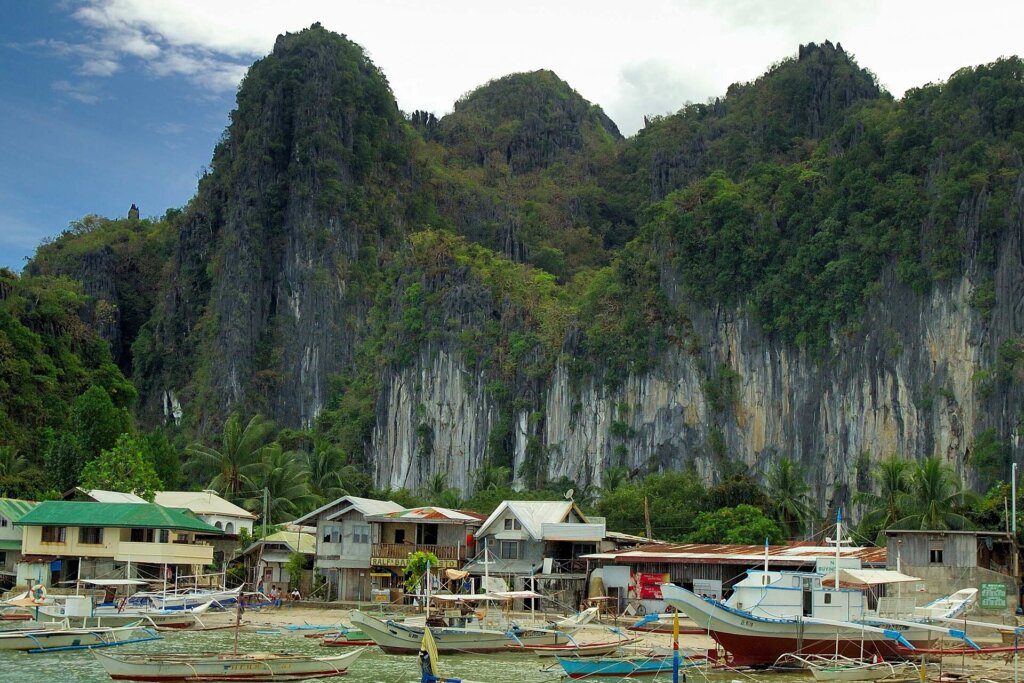
El Nido itself is a tourism town. Hotel staff, boat crews and restaurant workers meet travellers from every background every day, and most LGBTQ+ visitors describe a friendly, easygoing atmosphere. You will likely notice local staff who are openly gay or trans working in resorts and cafes.
That said, the Philippines is also a majority Catholic country with conservative family values, especially outside big cities. Acceptance often looks like warm tolerance rather than loud celebration. Understanding that nuance helps you enjoy the trip without surprises.
The Legal Picture in 2026
Knowing the basics avoids confusion, especially for couples:
- Same-sex relationships are legal. There is no law criminalising consensual same-sex activity between adults.
- Same-sex marriage and civil unions are not recognised. A foreign marriage certificate will not change your legal status in the Philippines.
- No national anti-discrimination law yet. A proposed SOGIE Equality Bill, which would ban discrimination based on sexual orientation and gender identity, has been debated in Congress for many years without passing. Several cities have their own local ordinances instead.
- Legal gender change is not available to Filipino citizens. This does not affect foreign visitors, but it explains why some local officials are unfamiliar with gender-marker differences.
For an overview of how laws compare country by country, ILGA World publishes regularly updated legal maps. The US State Department’s LGBTQI+ traveller page also has general safety advice that applies well beyond American passport holders.
What to Expect in Everyday Situations
The table below summarises common situations and how they usually play out in El Nido.
| Situation | What usually happens | Practical tip |
|---|---|---|
| Booking a double room as a same-sex couple | Usually no questions asked at hotels and resorts | Confirm bed type by message if you want peace of mind |
| Holding hands in town | Mostly ignored; occasional curious looks | Keep public affection modest, as locals do for all couples |
| Joining a shared island-hopping tour | Friendly crews and mixed international groups | Book a private boat if you prefer more privacy |
| Night out at beach bars | Mixed crowds, relaxed vibe | Watch drinks and plan your ride home |
| Trans traveller at airport security | Standard screening, sometimes a second look at ID | Keep passport name consistent with bookings |
| Visiting churches or rural barangays | More conservative attitudes | Dress modestly and keep a low profile |
Booking Tips for Couples and Solo Travellers
Choosing accommodation
Mid-range and upscale resorts are used to all kinds of couples and tend to be the most comfortable choice for same-sex partners on a romantic trip. Boutique guesthouses in Corong-Corong and Caalan are also popular. Reading recent reviews from LGBTQ+ guests is the fastest way to gauge atmosphere. For romantic ideas, see our El Nido couples and romantic travel guide and our El Nido honeymoon guide.
Private tours
Shared island-hopping tours are sociable and fun, but some couples prefer privacy on a special day. A private boat lets you set your own schedule and avoid crowded stops. Our guide on how to book a private boat charter in El Nido walks through prices and what to check.
Solo travellers
Solo LGBTQ+ travellers usually find it easy to meet people through hostels, tours and dive centres. Dating apps work in El Nido, but user numbers are small and many profiles are tourists passing through. Our El Nido solo travel guide covers safe ways to meet other travellers.
A relaxed five-day plan for couples
If you are planning a first visit together, this simple structure balances beach time, island hopping and privacy without rushing:
- Day 1: Arrive and settle in. Check in, walk the town beachfront at sunset and have an easy dinner. Flights into El Nido’s Lio airport save hours compared with the long van ride from Puerto Princesa.
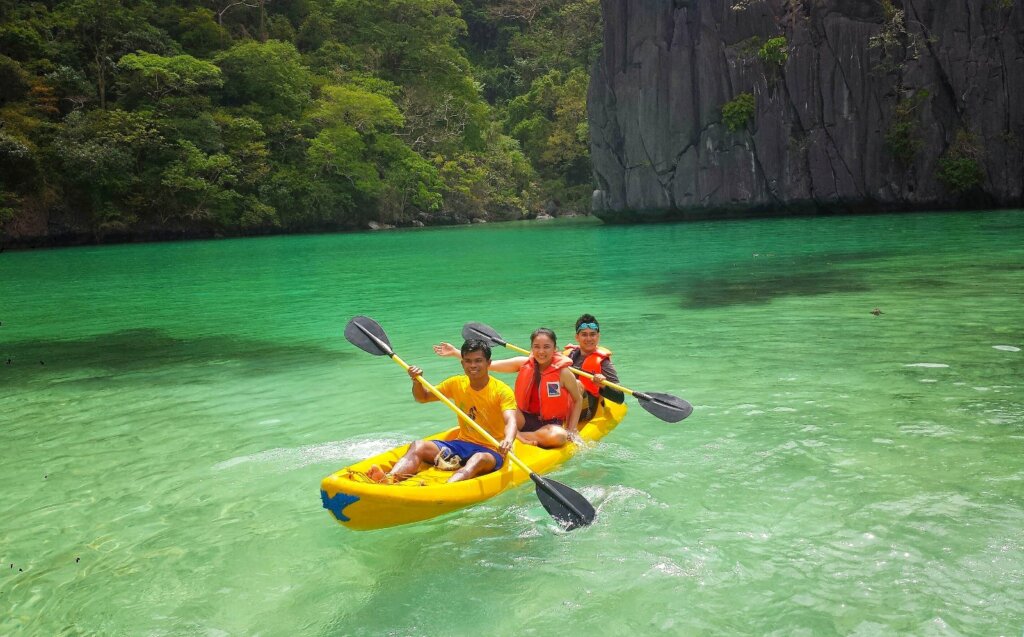
- Day 2: Shared Tour A. Join a group tour to see the Big and Small Lagoons. It is sociable, affordable and a good way to meet other travellers.
- Day 3: Beach day at Nacpan. Rent a scooter or book a tricycle to the long, uncrowded sweep of Nacpan Beach. Bring snacks and plenty of water.
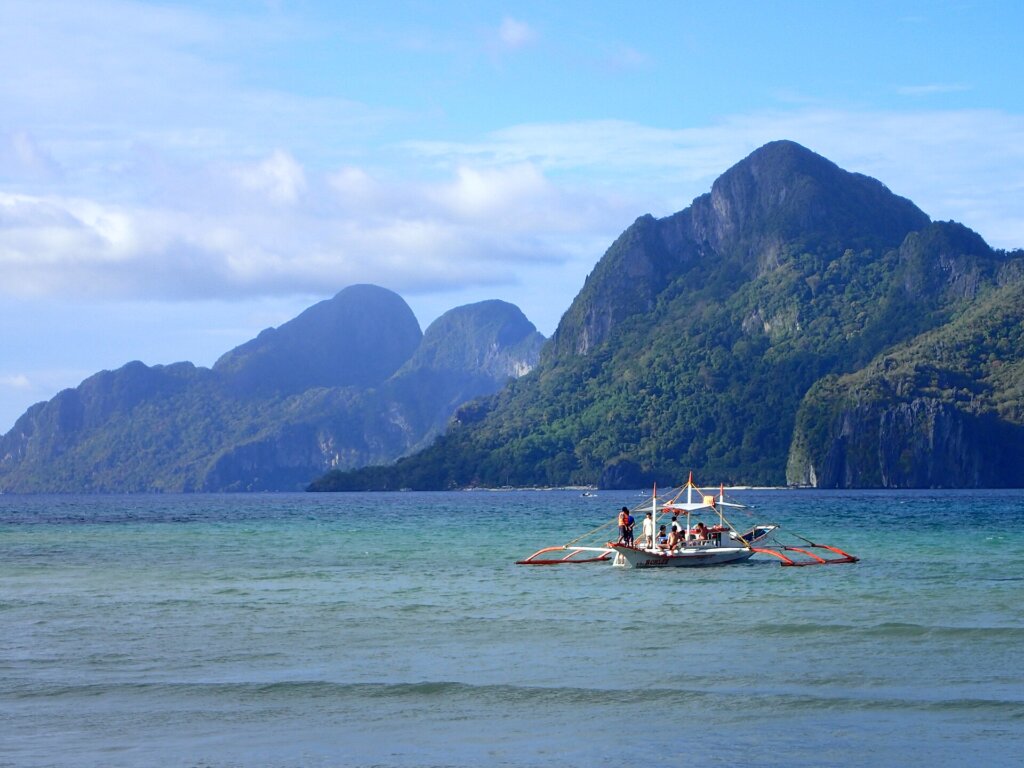
- Day 4: Private boat. Charter a boat to hidden coves on your own schedule, with lunch grilled on a quiet beach. This is the day many couples remember most.
- Day 5: Slow morning and spa. Book a massage, enjoy a long breakfast and catch one final sunset at Las Cabanas before flying out.
This pace leaves room for weather changes, which matter in El Nido because boat tours can be cancelled at short notice during rough seas. Building in one flexible day protects the private-boat day you have been looking forward to. If a tour is cancelled, operators normally rebook or refund, so keep booking confirmations handy on your phone.
Safety and Dating App Common Sense
Serious incidents are uncommon, but a few precautions apply to everyone and matter slightly more for LGBTQ+ visitors:
- Meet in public first. If you arrange a date through an app, meet at a busy bar or cafe and tell a friend or your hotel where you are going.
- Be alert to set-ups. In the Philippines, as in many countries, scammers sometimes use dating apps to target foreigners. Be wary of anyone who quickly asks for money, gifts or a visit to a private address.
- Watch your drinks. Drink spiking is rare in El Nido but not unheard of anywhere in the world.
- Keep valuables minimal. Leave passports and spare cash in your room safe.
Our guide to El Nido travel scams to avoid covers the tricks most likely to affect visitors.
Health Preparation Before You Go
Northern Palawan has limited specialist healthcare, so bring what you need from home:
- Prescription medications. Pack enough hormone therapy, PrEP or other regular medication for the whole trip, plus a few spare days, in original packaging with a copy of your prescription.
- Sexual health. The Philippines has one of the fastest-growing HIV epidemics in the Asia-Pacific region, according to UNAIDS. Bring condoms and lubricant you trust, since choice in local shops is limited.
- Travel insurance. Make sure it covers medical evacuation to Manila, where the best hospitals are located.
For clinics, pharmacies and emergency numbers, see our El Nido health and medical guide.
Respecting Local Culture
A little cultural awareness goes a long way. Filipinos place high value on politeness, humour and avoiding public confrontation. Public displays of affection are kept low-key by straight and gay couples alike, so a quick kiss on the beach is fine but anything more draws attention. Dress modestly when visiting churches and rural communities.
You may hear the words bakla (used for gay men and sometimes trans women), tomboy (for masculine lesbians) or the slang beki. These are common everyday terms, and their tone depends heavily on context; many LGBTQ+ Filipinos use them proudly. Learning a few friendly Filipino phrases, from our Tagalog phrases guide, helps you connect with locals whatever your identity.
Beyond El Nido: Pride and LGBTQ+ Scenes in the Philippines
El Nido is about beaches and boats rather than nightlife, so travellers looking for an LGBTQ+ scene should add a few days in Manila. Metro Manila Pride is usually held in June and is one of the largest Pride events in Southeast Asia, drawing huge crowds in recent years. Quezon City, Makati and Poblacion have the densest mix of queer-friendly bars and venues. Cebu and Boracay also have visible LGBTQ+ communities, particularly around festivals.
Pairing a lively Manila weekend with a slow, scenic week in El Nido is one of the best ways to see both sides of the country: the big-city scene and the quiet island paradise.
Frequently Asked Questions
Is El Nido safe for LGBTQ+ travellers?
Generally, yes. El Nido is a tourism town used to international visitors, and same-sex relationships are not criminalised in the Philippines. Most LGBTQ+ visitors report a relaxed, friendly welcome. Use the same common sense you would anywhere: keep public affection low-key, watch your drinks and be cautious with strangers met online.
Can same-sex couples book a double bed in El Nido?
In most hotels, resorts and guesthouses, yes. Booking a double or king room as a same-sex couple rarely causes any issue. If you want extra reassurance, send a short message before arrival confirming the bed type.
Is same-sex marriage legal in the Philippines?
No. The Philippines does not currently recognise same-sex marriage or civil unions, and a national anti-discrimination law covering sexual orientation and gender identity has not yet passed. Some cities have their own local anti-discrimination ordinances.
Are there gay bars in El Nido?
El Nido does not have a dedicated gay bar scene. Nightlife is mixed and casual, centred on beach bars and live-music spots in town. For an established LGBTQ+ scene, Metro Manila, especially Quezon City and Makati, has far more options.
What should trans travellers know before visiting El Nido?
Carry a passport whose name matches your booking, expect standard airport screening at Puerto Princesa or El Nido airport, and pack enough of any hormone medication for the whole trip, since specialist pharmacies are limited in northern Palawan.
Featured image: Photo: Vyacheslav Argenberg / Wikimedia Commons, CC BY 4.0 (source).