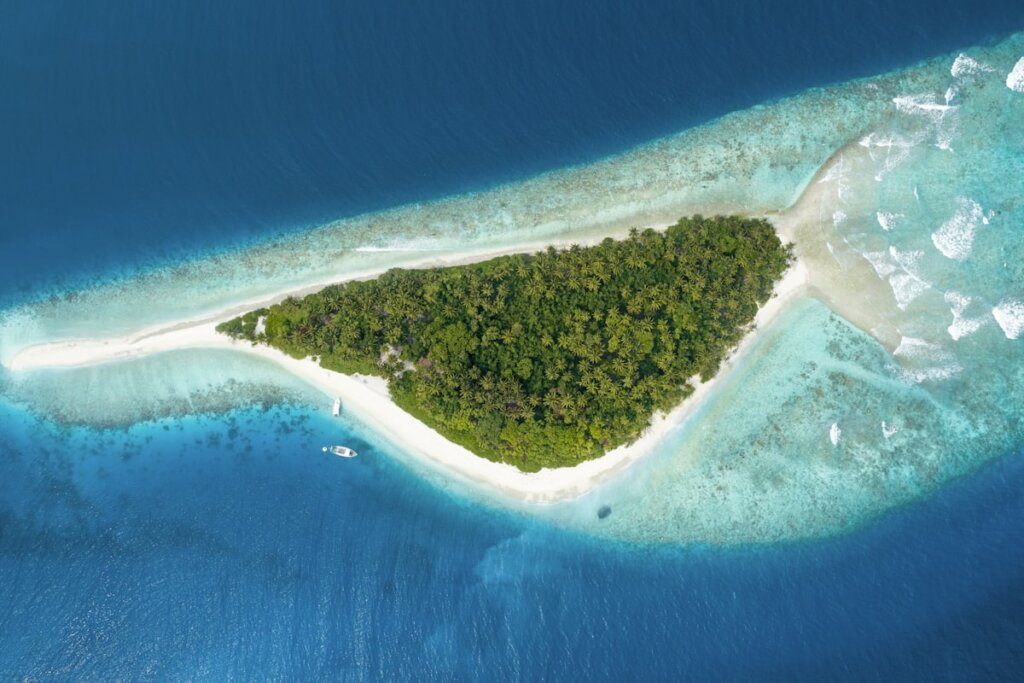

Most El Nido visitors never go beyond the lettered island-hopping tours of Bacuit Bay. But a few hours north, scattered between El Nido and Coron, lies Linapacan — a sparsely developed island municipality whose water is widely described as some of the clearest in the Philippines. There are no big resorts, no crowded lagoons and very little infrastructure. That’s exactly the appeal.
This guide focuses on how to reach Linapacan specifically for experienced travelers already based in El Nido who have done Tours A–D and want something remote: a long private boat trip, or a multi-day island-hopping expedition toward Coron. We’ll compare your options honestly — including the long hours on the water, weather limits, and why Linapacan isn’t for everyone.
If you haven’t done the classic tours yet, start with our Tour A guide and Tour C vs Tour D comparison first.
What and Where Is Linapacan?
Linapacan is a municipality of Palawan made up of dozens of islands and islets. It’s generally grouped with the Calamian Islands — alongside Busuanga, Coron and Culion — and sits in the waters between El Nido on mainland Palawan and Coron to the north. The municipality is small in population, with residents living mainly from fishing and seaweed farming.
Unlike El Nido’s limestone karst lagoons, Linapacan’s landscape is mostly low, rounded green islands fringed by white-sand beaches and shallow reefs. What draws visitors is the water itself: on calm, sunny days it can be so clear that boats appear to float above the seabed. Travel writers frequently call it among the clearest water in the world — a claim that’s hard to verify scientifically, but the visibility on a good day is genuinely remarkable.
Because tourism infrastructure is limited, Linapacan feels much like El Nido must have felt decades ago: fishing villages, empty sandbars, and very few other boats.
Ways to Reach Linapacan from El Nido
There’s no regular day-tour product to Linapacan in the way there is for Tours A–D. Travelers typically get there in one of three ways:
1. Multi-day island-hopping expedition (El Nido ↔ Coron)
The most popular route. Several operators run 3- to 5-day boat expeditions between El Nido and Coron, camping or staying in simple island base camps along the way. Many of these routes pass through or near Linapacan’s waters, stopping for swims, snorkeling and village visits. It’s a one-way trip, so you end in Coron (or El Nido if you start from Coron). Read our El Nido to Coron expedition guide for how these trips work.
2. Private boat charter
Some boat operators in El Nido will quote a private charter north toward Linapacan. Expect several hours of open-water travel each way, an early start and a late return. Charters are costly because of fuel and the long day, but they give you full control over stops. Always confirm the boat’s size, engine, safety equipment and Coast Guard clearance before paying.
3. Seeing it in passing on the El Nido–Coron ferry
Ferries between El Nido and Coron cross this region, so you’ll get a glimpse of the islands, but you won’t stop to swim. It’s a budget way to see the scenery rather than a Linapacan experience. Compare options in our ferry vs flight guide.
Linapacan Options Compared
| Option | Duration | Relative cost | Time actually in Linapacan waters | Best for |
|---|---|---|---|---|
| Multi-day expedition (El Nido → Coron) | 3–5 days | High (all-inclusive) | Several hours to a full day | Adventurous travelers continuing to Coron |
| Private boat charter (return) | Full day, 10+ hours | Very high per boat, better split among a group | A few hours | Groups wanting a one-off remote day |
| El Nido–Coron ferry | Several hours, one way | Low–moderate | Passing views only | Budget travelers relocating to Coron |
| Staying overnight in Linapacan | 2+ days | Moderate, but logistics-heavy | Most immersive | Self-sufficient, flexible travelers |
Prices change often and depend heavily on fuel costs, group size and season, so treat any quote as current only on the day you receive it.
What to Expect on the Water
- Long open-water crossings. Leaving Bacuit Bay means running across more exposed sea. Even on good days, expect some swell. If you’re prone to seasickness, prepare in advance — see our seasickness guide.
- Snorkeling over shallow reefs and sandbars. Much of the appeal is floating over white sand and coral in startlingly clear water.
- Village stops. Expeditions often visit fishing communities. Dress modestly on land and ask before photographing people.
- Very limited services. Mobile signal can be weak or absent, there are no ATMs, and shops carry only basics.
- Sun exposure. There’s little shade on sandbars. Bring a rash guard, hat and reef-safe sunscreen.
Best Time of Year to Go
- Roughly March to May is often considered the sweet spot — dry weather and, typically, calmer seas as the northeast monsoon fades.
- November to February is dry and pleasant, but the amihan (northeast monsoon) can bring strong winds and choppy crossings on some days. Read our explainer on amihan vs habagat.
- June to October is the southwest monsoon and typhoon season. Long crossings are more frequently cancelled, and visibility can drop after storms.
Always check the latest forecasts and gale warnings from PAGASA, the Philippine weather bureau. The Philippine Coast Guard can suspend sea travel when conditions are unsafe, and reputable operators will cancel or reroute rather than risk it.
Safety and Choosing an Operator
- Is the boat registered and does the trip get Coast Guard clearance?
- Are there enough life jackets for every passenger, in good condition?
- Is there a working radio or satellite communication? Mobile signal is unreliable.
- What’s the plan if weather turns? Good operators have alternative routes and shelter points.
- What’s included? Meals, drinking water, snorkel gear, environmental fees and accommodation should be spelled out in writing.
- What’s the cancellation and refund policy? See our guide to cancelled boat tours and refunds.
Also be wary of fake booking pages and unrealistically low prices for long charters — fuel alone makes these trips expensive.
Responsible Travel in Linapacan
- Don’t stand on or touch coral. Use a life vest or float if you’re not a confident swimmer.
- Use reef-safe sunscreen or cover up with a rash guard.
- Pack out all trash, including food wrappers and cigarette butts.
- Buy local when villages offer snacks or crafts — it’s a meaningful contribution in a small economy.
- Follow environmental rules. Palawan’s environmental framework is overseen by the Palawan Council for Sustainable Development; local fees and rules can apply.
What to Pack
- Dry bag for phone, passport copy and cash
- Enough cash in small bills for the whole trip (no ATMs) — see our cash guide
- Rash guard, hat, polarized sunglasses and reef-safe sunscreen
- Your own mask and snorkel if you have them — fit matters on long snorkeling days
- Seasickness medication, taken before departure
- Power bank, headlamp and a light layer for windy crossings
- Basic first-aid kit and any personal medication
For a fuller checklist, see our boat tour packing guide.
Is Linapacan Worth It?
Linapacan is worth it if you value solitude, clear water and a sense of real remoteness — and you’re comfortable with long boat rides, basic facilities and weather-dependent plans. It’s probably not worth it if you’re short on time, easily seasick, or mainly interested in El Nido’s dramatic limestone lagoons, which Linapacan doesn’t really have.
For most travelers, the smartest approach is to fold Linapacan into an El Nido–Coron expedition rather than doing a return day trip. You’ll see more, spend less time backtracking, and arrive in Coron ready for its wrecks and lakes. Not sure which base suits you? Our El Nido vs Coron comparison can help.
A realistic expectation check
Photos of Linapacan are usually taken on the calmest, brightest days of the year. On an overcast or windy day, the water is still lovely but won’t look like floating on glass. Visibility depends on sunlight, recent rain, plankton and swell. If you have a fixed travel window, treat the famous clarity as a bonus rather than a guarantee — and choose an operator willing to reshuffle the route to find the best conditions on the day.
It also helps to think about Linapacan as part of a bigger trip. Travelers who enjoy it most tend to be those who wanted a slower, off-grid chapter between El Nido and Coron: sleeping in simple huts, swimming off empty sandbars, eating grilled fish with the crew and going to bed early. If you’re expecting resort comforts, reliable Wi-Fi or nightlife, you’ll likely be happier staying in El Nido and visiting Linapacan in passing.
Frequently Asked Questions
Can you do a day trip from El Nido to Linapacan?
It’s possible by private boat charter, but it’s a long day with several hours of open-water travel each way and it depends on calm seas. Most travelers visit Linapacan as part of a multi-day El Nido–Coron expedition instead.
How far is Linapacan from El Nido?
Linapacan lies in the waters between El Nido and Coron. Travel time varies with the boat and sea conditions, but expect a multi-hour crossing rather than a short hop.
Does Linapacan really have the clearest water in the world?
It’s often described that way, and visibility on calm, sunny days is exceptional. The “clearest in the world” label is a popular claim rather than a scientific measurement, but many visitors find it lives up to the hype.
When is the best time to visit Linapacan?
Dry, calm periods are best. Many travelers aim for roughly March to May. November to February is dry but can be windy, and June to October brings more frequent cancellations due to the southwest monsoon and typhoons.
Are there hotels or ATMs in Linapacan?
Accommodation is very limited and basic, and there are no reliable ATMs. Bring enough cash for your whole trip and book lodging or an all-inclusive expedition in advance.