Palawan cooking is shaped by mangroves, open sea and coconut groves, which means some dishes you will not find anywhere else in the Philippines. This guide focuses on adventurous eaters visiting El Nido who want to try authentic local specialities beyond the standard resort menu. We rank twelve foods by how likely they are to appear on your plate, what they taste like and how to order them safely, with a handy price table at the end.
What Makes Palawan Food Different
The province is a long island chain with little industrial farming, so menus lean on what fishermen catch that morning, what grows wild in the mangroves and what the coconut palm gives. Cooking is simple: grill, boil, cure in vinegar or stew in coconut milk. The flavours are bright, sour and smoky rather than sweet.
Many travellers stay with familiar dishes, but a few adventurous orders turn an ordinary trip into a memorable one. If you want broader restaurant picks first, read our El Nido food guide and the list of best restaurants in El Nido, then come back here for the specialities.
Food safety matters on a tropical island. Choose busy stalls with high turnover, eat seafood that is fresh and properly iced, and drink bottled or filtered water. The Bureau of Fisheries and Aquatic Resources shares seafood advisories at BFAR.
Seafood Specialities
Seafood is where Palawan shines, and the difference between a good and a great meal is almost always freshness. In El Nido, many restaurants buy directly from fishermen landing their catch at the beach in the early morning, so lunch and dinner can feature fish that were swimming hours earlier. Ask for the catch of the day and have it grilled simply with salt, garlic and calamansi; heavy sauces are rarely needed.
Prices for whole fish are usually charged by weight, so ask for the cost before ordering. A fair price for a medium grilled fish with rice at a mid-range restaurant is several hundred pesos, and prawns or lobster rise quickly. Confirm the weight on the scale at the table to avoid surprises when the bill arrives.
1. Tamilok (woodworm)
The most famous Palawan oddity is tamilok, a mollusc harvested from mangrove wood. It is served raw in vinegar with chilli, onion and calamansi, and tastes like a briny oyster with a silky texture. Locals eat it as a bar snack. If you are curious, try it at a reputable restaurant where it is collected from clean mangroves and prepared the same day.
2. Grilled bangus (milkfish)
Bangus is the national fish, often stuffed with tomato and onion and grilled over charcoal. It is mild, flaky and a little bony, so go slowly. Pair it with garlic rice and a dipping sauce of soy, vinegar and chilli.
3. Kinilaw na tanigue
Palawan-style ceviche, usually made with Spanish mackerel or tuna, coconut vinegar, ginger, chilli and calamansi. The fish is not cooked by heat but by acid. Many of the best spots are listed in our seafood and kinilaw guide.
4. Grilled squid and prawns
Boat crews often grill these on the beach during island-hopping lunches. They arrive smoky, slightly charred and brushed with garlic butter or soy-calamansi sauce.
5. Sinigang na isda
A sour tamarind broth with fish, water spinach and radish. It is comfort food on a rainy afternoon and a good test of how fresh the fish truly is.
Fruit, Snacks and Sweets
Sweet snacks in Palawan are modest but memorable. Bakeries and market stalls sell bibingka rice cakes, turon fried banana rolls and puto steamed cakes in the mornings. Pair them with strong local coffee or a glass of fresh calamansi juice. If you are buying gifts, cashew brittle and dried mango travel well and are widely available in town shops, usually priced fairly compared with airport souvenir stands.
6. Buko pie
A flaky pastry filled with young coconut custard, often served warm. Local bakeries sell whole pies you can carry home, and small slices cost very little. It is one of the best edible souvenirs.
7. Cashew products
Palawan is famed for cashews, sold roasted, candied or ground into brittle. Look for them at the market and as gifts.
8. Fresh buko juice
Cut straight from the shell, it is the best rehydration on a hot day. Ask for the soft coconut meat scraped out afterwards.
9. Halo-halo
A tall glass of shaved ice, sweet beans, jelly, leche flan and ube ice cream. Cheap, filling and made for a hot afternoon.
Comfort Plates and Street Eats
Comfort plates are the backbone of everyday local eating. They are typically served with a mountain of steamed rice, and portions are meant to be shared or boxed for later. If you are travelling on a tight budget, a carinderia plate of adobo or sinigang and rice is the most filling and affordable lunch in town.
10. Chicken or pork adobo
A Filipino staple, braised in vinegar, soy sauce, garlic and bay leaf. Read about the dish in our El Nido adobo guide.
11. Lechon kawali
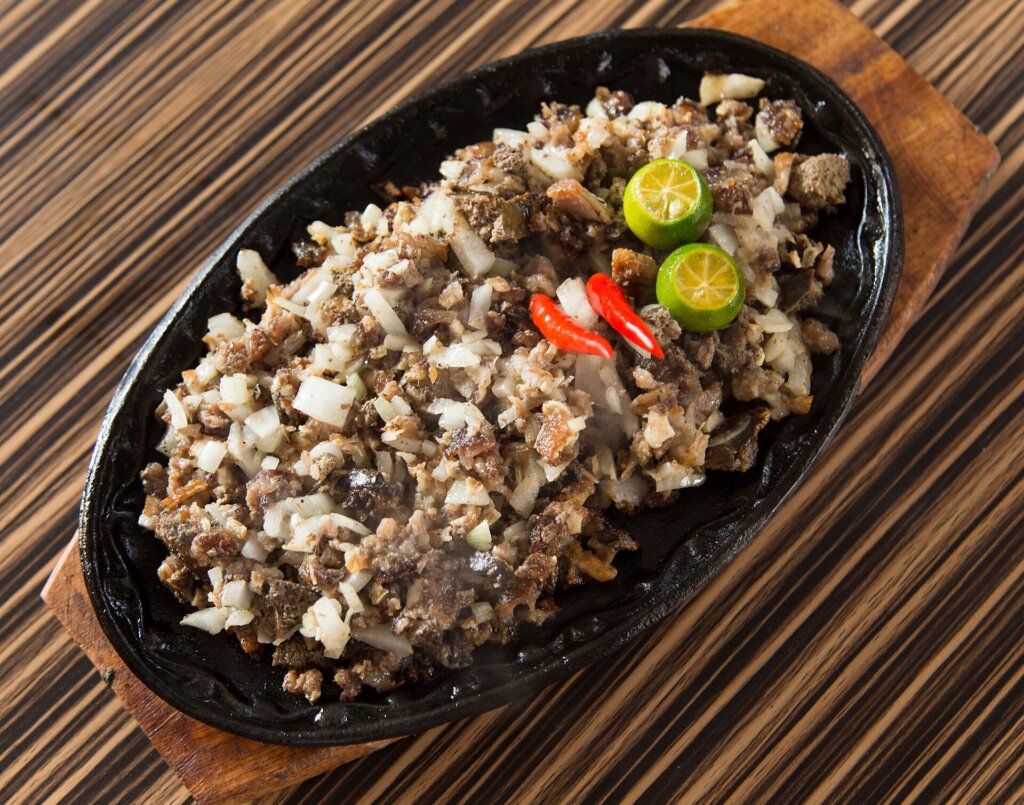
Crispy deep-fried pork belly with liver sauce. Rich, salty and meant to be shared.
12. Street barbecue and balut-free snacks
Evening stalls grill pork skewers, chicken intestines and banana cue. For vendor tips and safe choices see our El Nido street food guide.
Price and Spice Comparison Table
Use the table to plan a tasting menu without overspending. Prices are approximate for local eateries and rise at beachfront restaurants.
| Dish | Typical price (PHP) | Flavour profile | Adventure level |
|---|---|---|---|
| Tamilok | 150-300 | Briny, sour, silky | High |
| Grilled bangus | 200-350 | Smoky, mild | Low |
| Kinilaw | 250-400 | Bright, tangy, spicy | Medium |
| Buko pie (slice) | 40-80 | Sweet, creamy | Low |
| Sinigang | 200-350 | Sour, savoury | Low |
| Halo-halo | 100-200 | Sweet, icy | Low |
| Lechon kawali | 250-400 | Crispy, rich | Low |
A quick note on ordering etiquette: in Filipino restaurants, dishes arrive when they are ready rather than in courses, so do not be surprised if rice and soup land before the main. Tipping is appreciated but not mandatory; ten percent for good service is generous, and many places already add a service charge that you should check on the bill.
If you are staying more than a few days, repeat the dishes you loved at different restaurants. Quality varies, and comparing the same kinilaw or sinigang across three kitchens is a fun way to find your favourite. Ask the owner or chef for their house recommendation, and you will often be rewarded with an off-menu special that never reaches the tourist menus.
How to Eat Like a Local
Start your day with garlic rice, egg and cured meat or fish at a carinderia, the small canteen-style eateries where lunch plates cost a few dozen pesos. Eat mid-morning snacks like bibingka or fried bananas, take a long lunch at the beach and finish with grilled fish or kinilaw at dinner. Most locals eat with a spoon and fork, though many dishes like grilled fish are happily eaten by hand, a practice called kamayan.
Ask your server what came in that morning, and order it. Menus often list far more items than the kitchen has, so freshness depends on asking. Share dishes across the table; portions are generous and the best way to taste widely is to order four plates for two people.
Dietary needs are manageable but need explaining. Vegetarians can find vegetable stir-fries and tofu dishes, but fish sauce and shrimp paste appear everywhere, so ask directly. Halal and gluten-free requests are easier at restaurants than street stalls.
Food Safety, Sustainability and a Two-Day Tasting Plan
Drink bottled or refilled water and avoid ice from unknown sources unless it is the clear tube-shaped commercial ice used by licensed vendors. Eat shellfish and raw dishes only at places with a steady stream of customers. If you have a sensitive stomach, start with cooked dishes for the first two days.
Support sustainable seafood by avoiding juvenile fish, endangered species and anything listed as protected. Ask whether the catch is local and seasonal, and skip any menu that offers turtle, giant clams or live reef fish. The Palawan provincial government publishes visitor guidance at Palawan.gov.ph, and the Department of Tourism posts cultural tips at tourism.gov.ph.
A simple rule helps: if the dish looks like it came from the sea or a coconut tree within a day, you are probably eating well.
Day one: breakfast of garlic rice and grilled bangus at a carinderia, buko juice mid-morning, a beach lunch of grilled squid on your island tour, and kinilaw plus sinigang for dinner. Finish with halo-halo from a street stall.
Day two: buko pie from a local bakery for breakfast, a market walk for cashews and fresh fruit, adobo and lechon kawali for lunch, and a bold evening finale of tamilok with a cold beer at a trusted waterfront restaurant. Pack your leftover buko pie as a souvenir and you have eaten the province on a plate.
Frequently Asked Questions
What is tamilok and is it safe to eat?
Tamilok is a woodworm-like mollusc harvested from mangrove timber, eaten raw in vinegar. It is safe when freshly collected from clean water and prepared hygienically, so choose a reputable restaurant.
Where can I buy buko pie in El Nido?
Local bakeries and market stalls in town sell buko pie by the slice or whole. Ask for it warm for the best texture.
How much does a local meal cost in El Nido?
Carinderia meals often cost 100 to 200 pesos, while beachfront restaurants charge 400 to 800 pesos per main dish.
Is Palawan food spicy?
Mostly not. Dishes are sour and savoury, with chilli served on the side. Kinilaw and some sauces carry more heat.
Can vegetarians eat well in El Nido?
Yes, with some care. Ask for vegetable and tofu dishes without fish sauce or shrimp paste, and choose restaurants that mark vegetarian options.