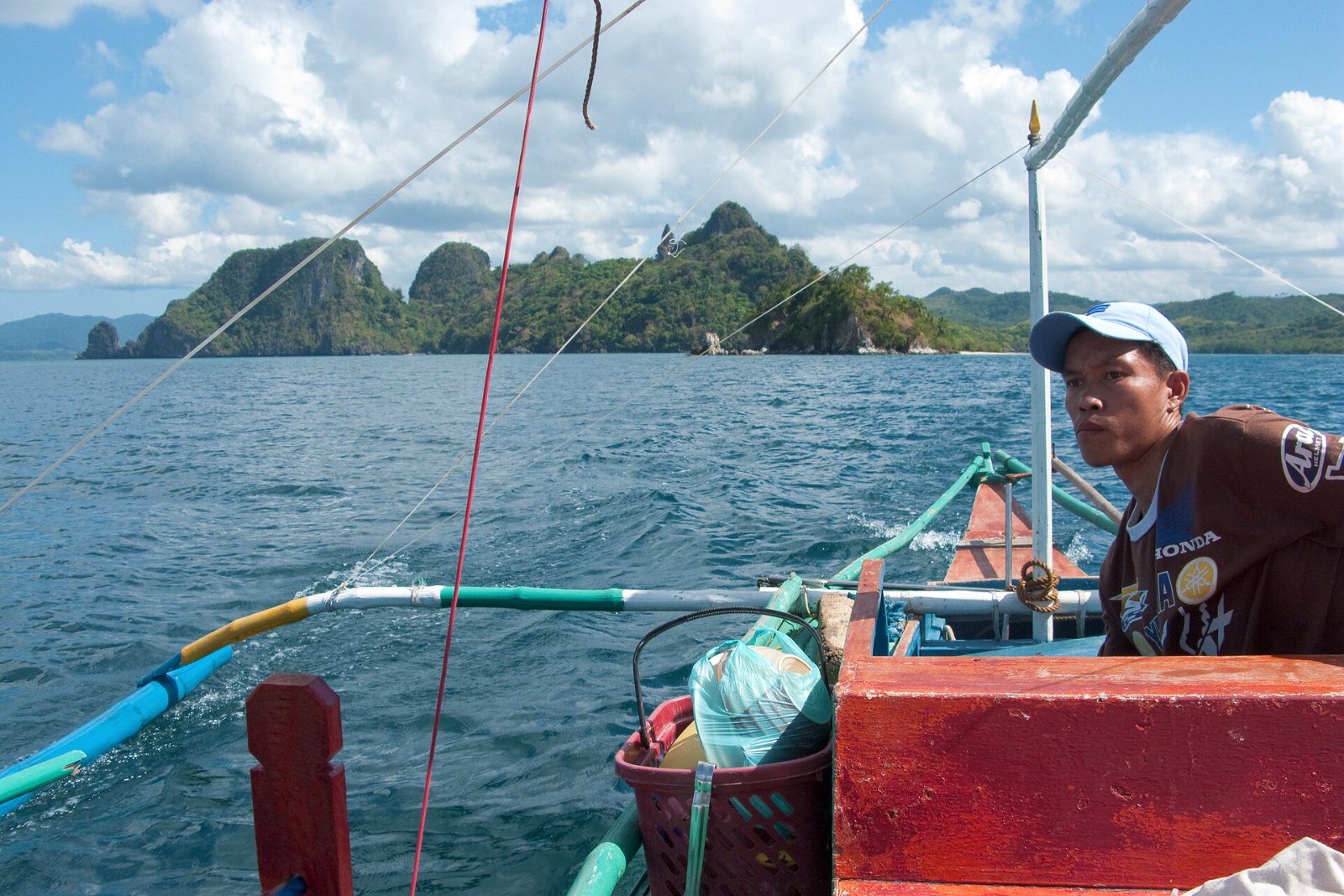
An island-hopping day in El Nido is a long stretch of splashing, climbing, swimming and sunbathing, and your phone, wallet, camera and passport photo are all along for the ride. Most days end without incident, but boats get wet, bags get moved and small items disappear into the sand. This guide focuses on protecting valuables on El Nido boat days specifically for travellers carrying phones, cameras and cash who want to keep everything dry, safe and in their own hands.
- The Real Risks: Water First, Theft Second
- What to Leave at Your Accommodation
- What to Bring and How to Protect It
- Choose the Right Bag
- On the Boat: Keeping Track of Your Things
- Phones, Charging and Battery Care
- Cash, Cards and Digital Payments
- Smart Habits That Prevent Most Problems
- A Sample Packing List for a Full Tour Day
- Special Cases: Cameras, Drones and Rented Equipment
- Insurance, Documentation and What to Do If Something Goes Missing
- Official Guidance
- Etiquette and Respect
- Bottom Line
- Frequently Asked Questions
The Real Risks: Water First, Theft Second
Ask experienced travellers what they have lost or damaged on tour days and the answer is usually water, not crime. Splashes on the boat, sudden rain, wet hands, sand in charging ports and a dropped phone in shallow water account for far more problems than theft. Loss is the second most common issue: items left on a beach during a swim, or slipping through the gap between a bench and the hull. Actual theft is relatively uncommon on organised tours, but opportunists exist anywhere tourists gather, which is why a few sensible habits matter. For a broader look at personal security, read is El Nido safe for tourists.
What to Leave at Your Accommodation
The simplest way to protect something is not to bring it. Before a tour, decide what you really need for six to eight hours on the water and leave the rest in your room or the hotel safe. Passports, spare cards, jewellery, a laptop, and any cash beyond the day’s budget do not need to go snorkelling. Carry a photo or scan of your passport on your phone instead of the original, and keep it backed up. If you do lose a document, our guide to a lost or stolen passport in El Nido explains the steps.
What to Bring and How to Protect It
| Item | Main risk | Best protection | Keep it where? |
|---|---|---|---|
| Phone | Water and drops | Waterproof pouch with a lanyard | Around your neck or in a dry bag |
| Camera / action cam | Salt water, sand | Housing or case, rinse after use | Padded dry bag |
| Cash | Water, loss | Small amount in a zip bag | Inside the dry bag, not a pocket |
| Cards and ID | Loss, water | One card and a copy of your ID | Zipped pocket of a dry bag |
| Power bank | Water, heat | Sealed pouch, out of direct sun | Shaded part of the bag |
| Sunglasses | Dropping overboard | Floating strap | On your face or in a case |
Choose the Right Bag
A proper roll-top dry bag of around 10 to 20 litres is the single best investment for a tour day. Fill it no more than two-thirds, roll the top at least three times, and clip it closed. Keep it on your lap or under a seat rather than on the floor of the boat, where bilge water collects. Cheap zip-lock bags work as a second layer inside, which is useful for separating cash, cards and electronics. A small waterproof pouch with a neck cord is handy for the phone you want to use for photos, but do not rely on a cheap one in the water without testing it first. Fill it with a tissue and dunk it in a sink to check for leaks.
For deeper thoughts on camera protection, see action camera versus waterproof phone case, which compares the main options for underwater photos.
On the Boat: Keeping Track of Your Things
Treat your bag like part of your body. Keep it with you on the boat, and when you climb off at a beach, take what you need and leave the rest with the crew or at a spot where someone is watching. Do not scatter small items across the sand while you swim. Choose one place for your things and keep them there, ideally under a hat or towel, and make a habit of checking the pile before you head to the next stop. Many crews keep an eye on bags while guests snorkel, but they are looking after a whole group, so do not assume your phone is under special guard.
Be careful when boarding and disembarking. Many items fall into the water at exactly these moments, when hands are full of fins, bags and sandals. Hand your bag to a crew member or friend before stepping across, and put your phone in your pocket or pouch before you climb.
Phones, Charging and Battery Care
Heat and salt shorten the life of a battery, and a dead phone on the water is both inconvenient and risky if you need to contact the operator. Start the day fully charged, switch on low-power mode, and keep the phone in the shade when not in use. A small power bank in a sealed pouch is a useful backup, as covered in our guide to power banks and charging on boat tours. If your phone does get wet, power it off, do not charge it, dry the outside and let it rest in a ventilated place for a long time before trying again. Avoid the old advice of burying it in rice, which rarely helps.
Cash, Cards and Digital Payments
Bring only the cash you need for fees, tips and small purchases, and split it between two places. Most beach lunches are included, but small stalls and extra fees may need coins and small notes. Our ATM and cash guide explains how to plan withdrawals, and the e-wallet payments guide covers digital options. If you use a payment app, add a screen lock and keep your phone in a dry place. It is also wise to carry one backup card separately from your main one in your hotel safe, rather than in the same bag.
Smart Habits That Prevent Most Problems
- Do a pre-boat check. Phone, wallet, hat, sunglasses, water: count them as you step on.
- Use a floating strap or lanyard. Anything you want to keep should be attached to you or sealed in a bag.
- Take photos before you swim. If your phone gets damaged later, at least you have the shots.
- Back up as you go. Upload photos to the cloud in the evening when you have Wi-Fi.
- Rinse electronics gently. Wipe cases with a damp cloth to remove salt, then dry fully.
- Keep serial numbers handy. Photograph your camera and phone details in case you need an insurance claim.
A Sample Packing List for a Full Tour Day
Putting the advice together, a sensible kit for a full boat day fits in one dry bag and one small pouch. In the dry bag, place a quick-dry towel, reef-safe sunscreen, a hat, a spare shirt or rash guard, a refillable water bottle, a few snacks, a zip bag with cash and one card, and a small first-aid pouch with plasters and antiseptic wipes. In the neck pouch, carry only your phone and, if you like, a key or hotel card. Wear your sunglasses on a strap and your water shoes on your feet, and carry nothing in your pockets that cannot get wet. If you carry a camera, put it in a padded case inside the dry bag when not shooting.
Many travellers also bring a small carabiner to clip the dry bag to a bench or rail, which prevents it sliding when the boat moves. A bright colour or a distinctive luggage tag makes your bag easy to spot among identical bags on a crowded beach, and a small label with your name and phone number inside the bag helps if it is ever misplaced. Leaving a quick note with your hotel about which tour you are on and when you expect to return is another sensible, low-effort precaution.
Special Cases: Cameras, Drones and Rented Equipment
Serious photographers should weigh the risk before bringing expensive cameras. Salt spray, sand and humidity are hard on lenses and sensors, so use a protective housing or a well-sealed bag and avoid changing lenses on the boat. If you rent equipment such as snorkel gear, a life vest or a kayak, check it for damage before you take it and let the crew know about any existing scratches or faults so you are not blamed later. Drones need extra care: rules on flying them near protected areas and communities can change, so ask your operator and check local requirements before you bring one, and never fly over other guests or wildlife.
Finally, remember that the most valuable thing you bring is your own safety. If you ever have to choose between rescuing an item and keeping your footing on a wet rock or a moving boat, let the item go. Phones and cameras can be replaced; a twisted ankle or a fall overboard cannot.
Insurance, Documentation and What to Do If Something Goes Missing
If something is lost or stolen, tell your tour operator first, then your accommodation, and report it to local authorities if it is serious. A written police or incident report is often required for insurance claims. Read the fine print of your policy before you travel, as limits on electronics and cash are common. Our travel insurance guide for El Nido explains what to look for. Keep receipts or photos that show ownership, and note the date, place and circumstances while they are fresh in your mind.
Official Guidance
For current travel advisories and tourism information, check the Philippine Department of Tourism and your own government’s travel advice. For general marine safety and responsible water activities, the PADI website has helpful reminders, and the DENR offers conservation information that explains the rules at protected sites you will visit during your tours.
Etiquette and Respect
Protecting your belongings does not mean treating everyone with suspicion. Most crews, guides and fellow travellers are honest, friendly and helpful, and the best protection is good communication. Introduce yourself to the crew, let them know where your bag is, and follow the group’s norms described in our boat etiquette guide. A polite, relaxed attitude makes everything easier.
Bottom Line
Bring less, seal it well and keep it close. A roll-top dry bag, a tested pouch for your phone, a small amount of cash and a quick headcount of your belongings at each stop will protect you from nearly every problem. With your valuables sorted, you can enjoy the lagoons without worrying about what is in your bag.
Frequently Asked Questions
Is it safe to leave my bag on the boat during snorkelling?
Usually yes on organised tours, but keep valuables in a sealed dry bag and leave only what you can afford to lose. Do not leave a passport, spare cash or anything irreplaceable.
What size dry bag do I need?
A 10 to 20 litre roll-top dry bag is enough for a phone, wallet, towel and sunscreen. Choose a bigger one if you are carrying a camera or a change of clothes.
Can I take my passport on a tour?
It is usually unnecessary. Carry a photo of it on your phone and leave the original in your accommodation unless the operator asks for ID.
What if my phone falls in the sea?
Retrieve it quickly, switch it off, do not charge it, and let it dry in a ventilated place. A repair shop or your insurer can advise on next steps.
Should I bring a lot of cash?
No. Bring only what you need for fees, tips and small purchases, split between two places in a waterproof bag.