
Most El Nido family guides are written for parents of school-age kids who can walk long distances, sit through a boat tour, and eat whatever is on the menu without complaint. This guide focuses specifically on toddlers, roughly ages one to three, for whom naps, non-negotiable food textures, and zero swimming ability change almost every decision about where to stay and what to book. Below is a realistic look at what works, what to skip, and how to structure your days around a toddler’s actual limits rather than an adult itinerary. If you are traveling with older children too, our broader family travel guide covers activities better suited to that wider age range alongside this toddler-specific advice.
Choosing Accommodation Around Nap Schedules
A toddler’s nap schedule should drive your choice of accommodation more than the view. Look for a property close enough to town or your planned activities that you can return for a midday nap without a long tricycle ride, or one with a quiet enough room that naps can happen on-site between morning and afternoon outings. A separate sleeping area or at least a crib or extra bed matters more at this age than a beautiful pool, since a toddler who misses their nap tends to make the rest of the day harder for everyone.
What “Close to Town” Actually Buys You
Beyond nap logistics, staying near town means shorter transfers for everything — a forgotten item, a sudden diaper emergency, or simply cutting a difficult outing short without a long ride back. This proximity matters more with a toddler than with older kids, since the tolerance for a bumpy thirty-minute tricycle ride after a meltdown is close to zero at this age. A slightly less scenic room a five-minute walk from the main strip is often the better trade than a stunning but remote beachfront property thirty minutes out.
Island Hopping Tours: A Real Assessment
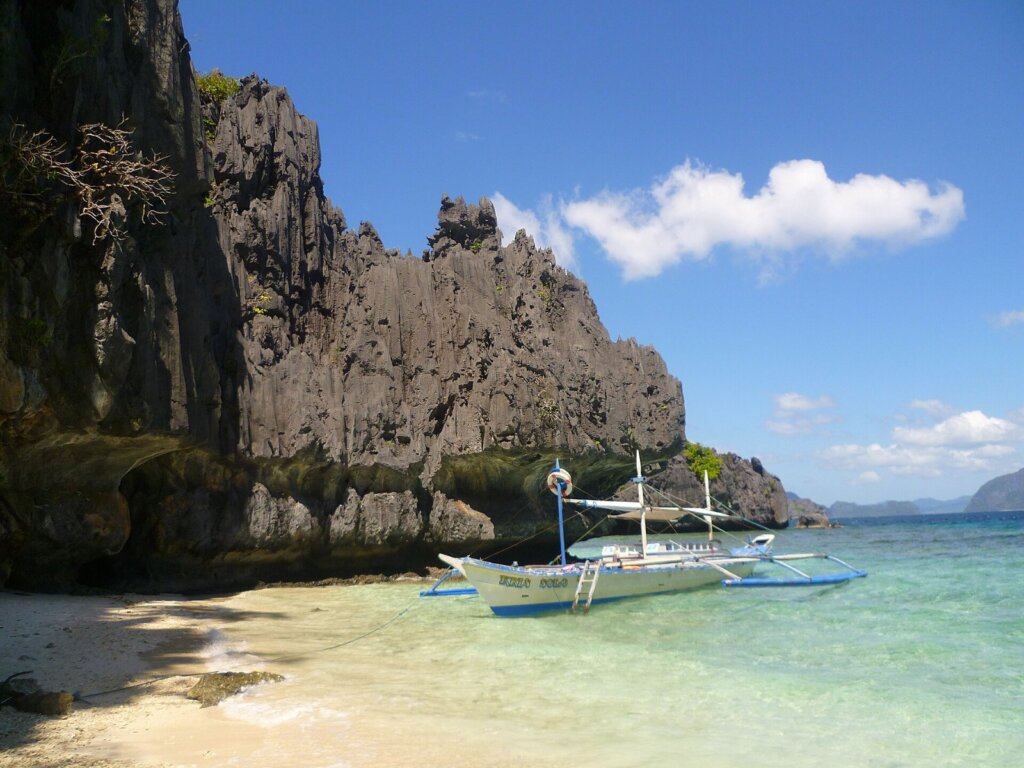
Standard shared island hopping tours involve several hours on an open boat, snorkeling stops in water over a toddler’s head, and long stretches without shade — none of which suit a one to three year old well at all. If seeing the lagoons still matters to your family, a private tour with a flexible, toddler-paced itinerary is generally worth the extra cost: you can request shorter boat legs, skip snorkeling stops entirely, and build in a nap window mid-tour. Budget tours packed with other travelers are not set up to accommodate a toddler’s unpredictable schedule, and forcing the fit tends to frustrate both your family and the other guests on board. When contacting a private tour operator, be specific about your toddler’s age, nap timing, and any water confidence concerns — operators who regularly host families can often suggest a modified route that hits one or two calmer lagoons rather than the full standard circuit, cutting total boat time significantly while still giving your family a taste of what makes El Nido’s scenery famous.
Comparing Activities by Toddler-Friendliness
| Activity | Toddler Suitability | Key Consideration | Better Alternative |
|---|---|---|---|
| Shared island hopping tour | Low | Long hours, deep water, fixed schedule | Private tour with shortened route |
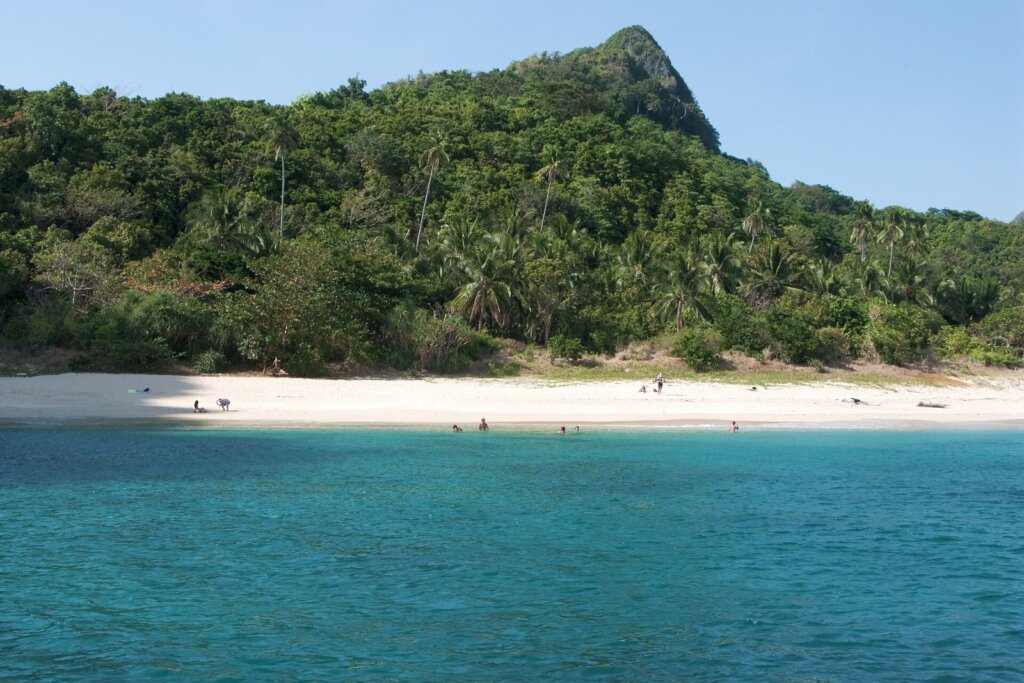
| Town beach in the late afternoon | High | Shallow water, shade available, short walk | N/A — good default activity |
| Restaurant dining, sit-down | Medium | Wait times vary; bring snacks as backup | Resorts with kids’ menus and faster service |
| Waterfall hikes (e.g. Nagkalit-kalit) | Low | Uneven terrain, longer walk than it looks | Carry a structured baby carrier if attempting |
Food: What Actually Works
Filipino food is generally toddler-friendly in flavor — rice, grilled chicken, and plain noodles are easy to find — but texture and spice level need checking dish by dish, since some sauces are spicier than they look. Packing a stash of familiar snacks from home covers the gap on days when nothing on the menu appeals to a picky toddler, and asking resorts in advance whether they can prepare a plain version of a dish (no sauce, no seasoning) is a reasonable request most kitchens can handle, especially at properties used to hosting international families. Our food safety guide covers general hygiene practices worth following for a young child’s more sensitive stomach.
Sun, Heat, and a Toddler’s Skin
Toddlers overheat and burn faster than older kids or adults, and El Nido’s midday sun is intense even on a cloudy-looking day. Plan outdoor time for early morning or late afternoon, use a UV-rated sun shirt in addition to sunscreen since reapplying sunscreen on a squirming toddler every two hours is unrealistic, and bring a pop-up shade tent for the beach rather than relying on finding natural shade. A brimmed hat that actually stays on, secured with a chin strap, solves more problems than most parents expect before their first day at the beach here. Hydration matters just as much as sun protection — toddlers dehydrate faster than adults in tropical heat and may not reliably signal thirst, so offering water on a schedule rather than waiting for them to ask is the safer habit to build into your daily routine.
Swimming Safety for Non-Swimmers
A toddler who cannot swim needs constant, arm’s-length supervision in any water in El Nido, including the calm-looking lagoons — currents and depth can change quickly even in seemingly protected water. A properly fitted, coast-guard-approved flotation vest (not inflatable arm floaties, which can slip off or give a false sense of security) is worth packing from home, since finding the right size locally is not guaranteed. Never assume a shallow-looking area stays shallow, and keep a toddler within touching distance rather than just visual range at all times in the water. It is also worth scouting a beach’s entry point before your toddler is already in the water — some stretches drop off unexpectedly close to shore, while others stay shallow for a long distance, and knowing which type you are dealing with changes how closely you need to hover.
What to Pack That You Cannot Easily Buy Locally
Diapers, wipes, and basic toddler food are available in El Nido’s minimarts but in a narrower range and noticeably higher price than you may be used to at home, and specific brands your toddler is used to are unlikely to be stocked at all. Bring more diapers than you think you need, a favorite comfort item for unfamiliar sleeping environments, any regular medications, and a basic first aid kit with child-appropriate fever reducer, since pharmacies stocking pediatric formulations reliably are limited outside the main town pharmacy. A lightweight stroller with sturdy wheels helps on paved sections of town but will struggle on sand and unpaved paths, so treat it as a sometimes-tool rather than a constant one, and consider a structured carrier as your primary transport method for uneven terrain. Pack a small over-the-counter remedy kit for common travel disruptions too — mild stomach upset from a change in diet, insect bite relief, and rehydration salts are all worth having on hand rather than searching for at an unfamiliar pharmacy while managing an unhappy toddler.
Health, Medical Access, and Travel Insurance
El Nido’s medical facilities are limited compared to what you may be used to, and a serious illness or injury in a toddler may require transfer to Puerto Princesa, several hours away by road. Our health and medical guide covers the local clinic and pharmacy situation in more detail, which is worth reading before you travel rather than during an emergency. The CDC’s travel health resources include destination-specific guidance for traveling with young children, covering vaccinations and health precautions worth reviewing well before your trip, and the American Academy of Pediatrics also publishes general guidance on traveling with infants and toddlers that applies regardless of destination.
Getting There: Flights and Transfers with a Toddler
The flight and transfer to El Nido itself is worth planning around your toddler’s schedule as much as the destination time. Our airport transfer guide covers the route from both Lio Airport and Puerto Princesa; for a toddler, requesting a vehicle with proper car seat accommodation or bringing a portable, airline-compliant car seat is worth the extra luggage, since standard transfer vehicles do not reliably provide one. Building in a buffer day after a long travel day, rather than heading straight into activities, helps everyone adjust before the trip’s more demanding days. The official Philippine tourism board lists current entry requirements, which is worth checking well before departure since document requirements for infants and young children sometimes differ slightly from adult requirements.
Frequently Asked Questions
Is El Nido a good destination for a toddler’s first big trip?
It can work well with the right pace and accommodation choices, but it rewards flexible, low-key planning over a packed itinerary built for older kids or adults.
Should I book a private island hopping tour instead of a shared one?
For a toddler, yes if budget allows. A private tour lets you control timing, skip deep-water stops, and build in nap breaks that a shared group tour cannot accommodate.
Are diapers and baby food easy to find in El Nido?
Basic supplies are available at minimarts in town, but selection and specific brands are limited, so bring extra of anything your toddler needs consistently.
What is the biggest mistake parents make traveling to El Nido with a toddler?
Overestimating how much a toddler can tolerate heat, boat time, and schedule disruption, then trying to fit an adult-paced itinerary around a much younger child.
Do I need travel insurance that covers young children specifically?
Yes, confirm your policy explicitly covers your toddler’s age and any pre-existing conditions, and check that it includes medical evacuation given El Nido’s limited local hospital facilities.