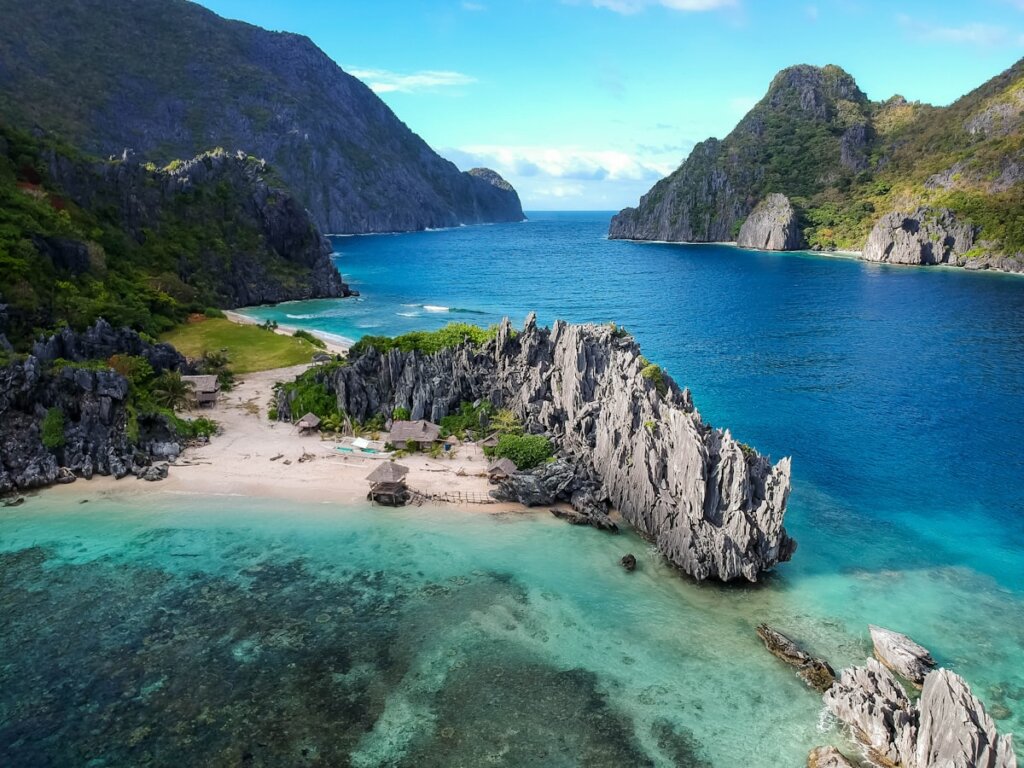

El Nido is a genuinely safe destination for international travelers. Petty crime is rare, violent crime directed at tourists is extremely uncommon, and the local community is famously warm and welcoming. That said, El Nido is a remote, ocean-based destination with real physical risks — from strong currents and boat safety to motorbike accidents and heat exhaustion. This complete El Nido safety guide covers everything you need to know to stay safe and have a worry-free trip in 2026.
Overall Safety in El Nido
El Nido ranks among the safest tourist destinations in the Philippines. Key indicators:
- Crime rate: Very low. Petty theft (phone snatching, bag theft) is the most common incident — and even this is rare compared to larger Philippine cities.
- Scams: Minor tourist scams exist (overcharging for tours, unofficial tour touts) but are nowhere near the level of major Southeast Asian tourist hubs.
- Political stability: Palawan is stable and not affected by the insurgency issues that affect parts of Mindanao.
- Biggest real risks: Ocean conditions (currents, waves), boat safety, motorbike accidents, heat-related illness, and jellyfish stings.
Ocean and Water Safety
Currents and Tides
The Bacuit Archipelago has tidal currents that can be surprisingly strong, particularly at lagoon entrances and between islands. Key safety points:
- Follow your boat crew’s guidance: They know which spots have strong currents on which days and tides. If they say “stay close to the boat,” take that seriously.
- Small Lagoon entrance: The narrow channel can have a strong tidal current. Snorkel through with the current, not against it. Crew will advise on timing.
- Avoid swimming alone at open-water spots away from the boat. Always snorkel within sight of the boat or a crew member.
- Rip currents: If caught in a rip current, swim parallel to shore (not against it) until you escape the current, then swim back to shore at an angle.
Boat Safety
- Life jackets: Always wear them when instructed by crew. Required at certain tour stops — this is enforced, not optional.
- Choose reputable operators: Book tours through established tour operators on Real Street or through your hotel. Avoid very cheap unlicensed operators with old, poorly maintained boats.
- Weather awareness: Tours are cancelled in bad weather for good reason. Do not pressure operators to take you out in rough conditions — the Philippine coastguard takes sea conditions seriously.
- Boarding and alighting: Getting on and off boats in the water or at rocky shorelines is where most minor injuries happen. Move deliberately, hold the crew’s hand when offered, and wear water shoes if possible.
- Seasickness: The open stretches between islands can have swell even on relatively calm days. Bring motion sickness medication (Dramamine/Bonine) if you are prone — take it 30 minutes before departure.
Jellyfish
El Nido has periodic jellyfish blooms, most commonly during certain tidal and current conditions. Box jellyfish (potentially dangerous) are rare but present in the Philippines.
- El Nido jellyfish season: Most common during transitional months (April-June and September-November). See our El Nido Jellyfish Season Guide for full details.
- Wear a rash guard: Significantly reduces the exposed skin area for stings
- Treatment for minor stings: Rinse with seawater (not fresh water), remove tentacles with a card or shell (not bare hands), apply heat (hot water compress) or vinegar. Do not urinate on stings — this is a myth.
- Serious sting: Box jellyfish stings can cause cardiac arrest. If someone is stung severely — call for help immediately, apply vinegar, and get to medical care urgently.
Motorbike and Road Safety
Motorbike rental is popular for reaching Nacpan Beach and Duli Beach. This is also one of the highest-risk activities tourists engage in across Southeast Asia.
- License requirement: Philippine law requires a valid driver’s license to operate a motorbike. Many travel insurance policies exclude motorbike accidents if you lack a valid license — check your policy before renting.
- Helmet: Always wear the provided helmet. No exceptions.
- Road conditions: The road to Nacpan (and especially to Duli) has unpaved sections, loose gravel, and potholes. Take it slowly, especially in wet conditions.
- Inexperienced riders: If you have never ridden a motorbike, El Nido is not the place to learn. Opt for trike hire instead (P300-P500 return to Nacpan).
- Return before dark: Mountain roads have no street lighting. Arrange to return well before sunset.
Health and Medical Safety
Heat and Sun
- Dehydration: Spending 6-8 hours on a boat in tropical sun is dehydrating. Bring at least 2 liters of water per person on island hopping tours.
- Heat exhaustion: Symptoms include heavy sweating, weakness, cold/pale/clammy skin, weak pulse, nausea. Move to shade, drink water, apply cool cloths.
- Sunburn: Can be severe after a full day on the water. Reapply sunscreen every 2 hours, especially after swimming. Wear a wide-brimmed hat and rash guard.
- Peak sun hours: 10 AM to 3 PM. Seek shade during lunch stops on tours.
Food and Water Safety
- Tap water: Do not drink tap water in El Nido. Bottled water is widely available and cheap (P15-25 for 1.5L).
- Ice: Ice in tourist restaurants is generally made from purified water and safe. Exercise caution at very cheap local stalls.
- Seafood freshness: El Nido’s seafood is extremely fresh, but eat at busy restaurants with high turnover. Shellfish (clams, mussels, oysters) carry higher risk — ensure they are well-cooked.
- Traveler’s diarrhea: Bring oral rehydration salts and over-the-counter anti-diarrheal medication as a precaution.
Mosquitoes and Malaria
Palawan, including El Nido, is classified as a malaria-risk area by some health authorities, though the actual incidence in the El Nido tourist zone is very low. Recommendations:
- Consult your doctor or travel health clinic before traveling — antimalarial prophylaxis may be recommended depending on your nationality, health status, and itinerary
- Use DEET-based mosquito repellent, especially at dawn and dusk
- Sleep in air-conditioned accommodation or under a mosquito net
- Dengue fever is present in the Philippines — mosquito protection applies even if you choose not to take malaria prophylaxis
Emergency Contacts in El Nido
| Service | Contact | Notes |
|---|---|---|
| Philippine Emergency Hotline | 911 | National emergency number |
| El Nido Municipal Police | (048) 719-5018 | El Nido town police station |
| El Nido Rural Health Unit | Local clinic in town center | Basic primary care; not equipped for surgery |
| Ospital ng Palawan (Puerto Princesa) | (048) 433-2280 | Nearest full hospital; 5-6 hrs by road or 45-min flight |
| DAN Philippines (dive emergency) | +63 2 8684 7599 | Divers Alert Network; hyperbaric chamber referral |
| Philippine Coast Guard | (02) 527-8481 | Maritime emergencies |
| Your travel insurer | Save number before traveling | Contact within 24-48 hrs of any incident |
Personal Safety and Security
- Petty theft: Keep valuables in your hostel/hotel locker. Do not leave phones or cameras unattended on the beach or boat.
- Phone snatching: Rare, but avoid using your phone while walking in the street at night in busy areas.
- ATMs: El Nido ATMs have a reputation for skimming devices. Use ATMs inside banks or hotels rather than standalone street ATMs where possible.
- Scams: Be cautious of unsolicited tour offers significantly below market rate — unlicensed operators may use unsafe boats. Stick to established tour operators.
- Nightlife safety: El Nido is generally safe at night. Drink responsibly — dehydration from island hopping + alcohol can cause problems quickly in the heat.
Scuba Diving Safety
- Only dive with PADI/SSI-certified operators
- Always do a pre-dive check with your divemaster
- Never dive beyond your certification depth limits
- Declare all medical conditions, including medications, to your dive operator
- Do not fly within 18 hours of your last dive (24 hours for multiple/decompression dives)
- Know the location of the nearest hyperbaric chamber: Ospital ng Palawan, Puerto Princesa
- Consider DAN membership for specialized diving accident coverage
Frequently Asked Questions
Is El Nido safe for solo female travelers?
Yes — El Nido is generally very safe for solo female travelers. Filipino culture is respectful and harassment is uncommon. Standard precautions apply: avoid walking alone in very quiet areas late at night, use reputable transport, and trust your instincts. Many solo female travelers rate El Nido as one of their safest Southeast Asia experiences.
Is El Nido safe for children?
Yes, with appropriate precautions. Island hopping is family-friendly with life jackets for all ages. The main risks for children are sun exposure, dehydration, and jellyfish stings — all manageable with preparation. Choose calm, protected snorkeling spots (Small Lagoon, Shimizu Island) for younger swimmers.
What is the biggest safety risk in El Nido?
Statistically, the biggest risks for tourists in El Nido are motorbike accidents and heat-related illness — not crime. If you are not an experienced motorbike rider, hire a trike instead. Drink water consistently throughout the day, especially on island hopping tours.
Related: El Nido Travel Insurance Guide | Island Hopping Tips | Best Time to Visit El Nido