
El Nido Volunteering Guide 2026: Marine Conservation, Reef Programs & How to Help
El Nido sits within one of the world’s most biodiverse marine environments — and that biodiversity is under real pressure from climate change, overfishing, and visitor impact. For travellers who want to give something back, there are genuine volunteering opportunities that make a measurable difference. This 2026 guide covers legitimate programs, what to expect, and how to avoid “voluntourism” that benefits operators more than ecosystems.
The Conservation Context: Why It Matters
The Bacuit Archipelago lies within the Coral Triangle — the global centre of marine biodiversity, covering the Philippines, Indonesia, Malaysia, Papua New Guinea, Solomon Islands, and Timor-Leste. The reefs around El Nido support over 800 fish species, 400+ coral species, and serve as critical habitat for sea turtles, manta rays, and whale sharks. Threats include:
- Coral bleaching from rising sea temperatures (significant events in 2023 and 2024)
- Sedimentation from construction and land clearing
- Visitor pressure — 300,000+ tourists annually in peak years
- Illegal fishing practices in surrounding waters
The Coral Triangle Initiative and IUCN Palawan program provide the broader conservation framework.
Marine Conservation Volunteering Options
1. El Nido Marine Reserve Coral Monitoring
The El Nido Resorts Foundation (linked to El Nido Resorts) runs structured reef monitoring programs where trained volunteers survey coral health, fish populations, and indicator species along established transects. Volunteers must be Open Water certified and complete a half-day orientation. Sessions run 3–4 hours, 3 days per week. Contact the Foundation directly at their El Nido Resorts office; no cost to participate but advance registration required.
2. DENR-PENRO Palawan Conservation Days
The Department of Environment and Natural Resources (DENR) and the Provincial Environment and Natural Resources Office (PENRO) organise periodic reef cleanup dives and coastal cleanup events. These are free, community-oriented events requiring advance registration at the El Nido municipal hall or the DENR Palawan office in Puerto Princesa. Check their Facebook pages for scheduled events.
3. Seaweed Farming Support
Several El Nido fishing communities have transitioned from destructive fishing toward seaweed farming as a sustainable livelihood. NGOs including Coastal Conservation Philippines occasionally coordinate volunteers to assist with farm setup, maintenance, and community education. Minimum commitment: 1 week. Contact via their website.
4. Community-Based Sea Turtle Monitoring
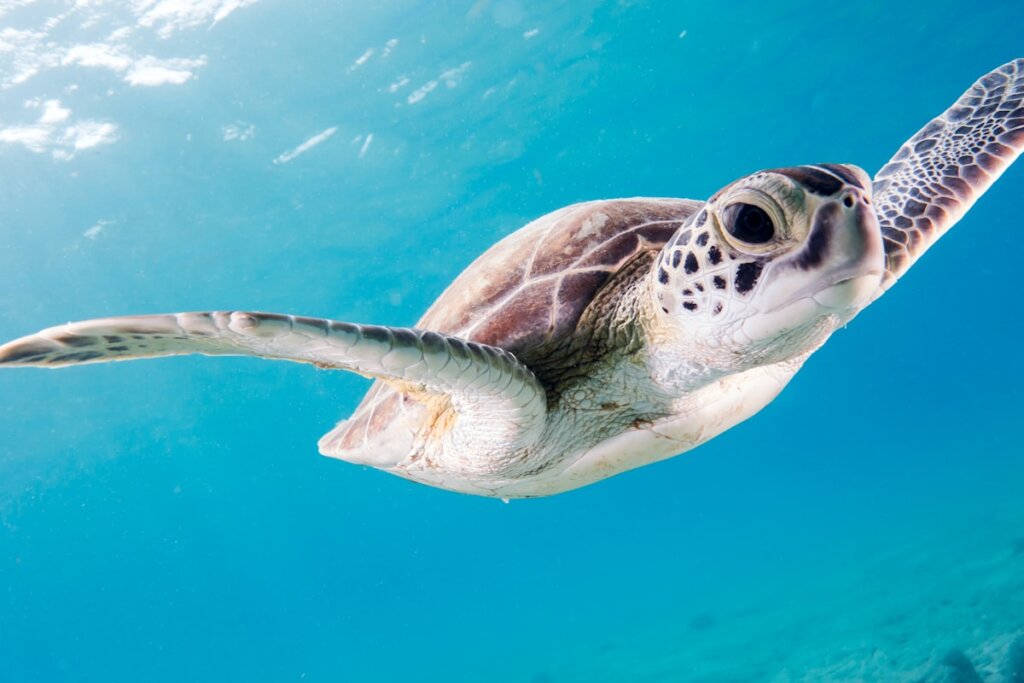
Hawksbill and green sea turtles nest on several beaches in the Bacuit Archipelago. Local communities support nest monitoring and hatchling protection programs. WWF-Philippines (wwf.org.ph) coordinates some of these programs; contact them before arrival to check current activity.
Practical Volunteering: Everyday Actions
Beyond formal programs, individual travellers can contribute meaningfully through consistent daily choices:
- Reef-safe sunscreen only — chemical sunscreens (oxybenzone, octinoxate) are demonstrated reef toxins. Switch to mineral (zinc oxide) SPF for your entire El Nido visit.
- Zero single-use plastic — carry a reusable bottle (guesthouses provide filtered water), refuse plastic straws and bags
- Respect no-anchor zones — anchoring on coral kills it; ensure your charter captain uses mooring buoys or sandy-bottom anchoring only
- Don’t touch marine life — even gentle contact with coral polyps causes damage; maintain buoyancy when snorkelling
- Buy from local producers — purchasing from local fishermen, market vendors, and family restaurants keeps money in the community rather than flowing to outside investors
- Report illegal activity — blast fishing (loud boom sound underwater), night spearfishing in protected areas, and coral collection are illegal. Report to the El Nido municipal hall or PAMB office.
Avoiding “Voluntourism” Pitfalls
Some commercial operators offer “conservation experiences” that are primarily marketing — short-duration reef cleanups that generate social media content without meaningful conservation impact. Red flags:
- Program costs more than it contributes to local workers or materials
- No qualified conservation staff involved (only tour guides)
- Heavy emphasis on social media documentation
- No follow-up monitoring or data collection
Meaningful programs involve local community leadership, qualified ecological oversight, and produce data or outcomes that outlast your visit.
For broader trip planning see our things to do guide and travel tips. For understanding El Nido’s marine environment see our diving guide and swimming spots guide.